Industry News
 2026.06.26
 Industry News
Personal grooming has moved beyond simple razors and foam. A range of devices now sits on bathroom shelves, each with a specific purpose. Among them, a compact option has gained attention for its practical design and everyday convenience.
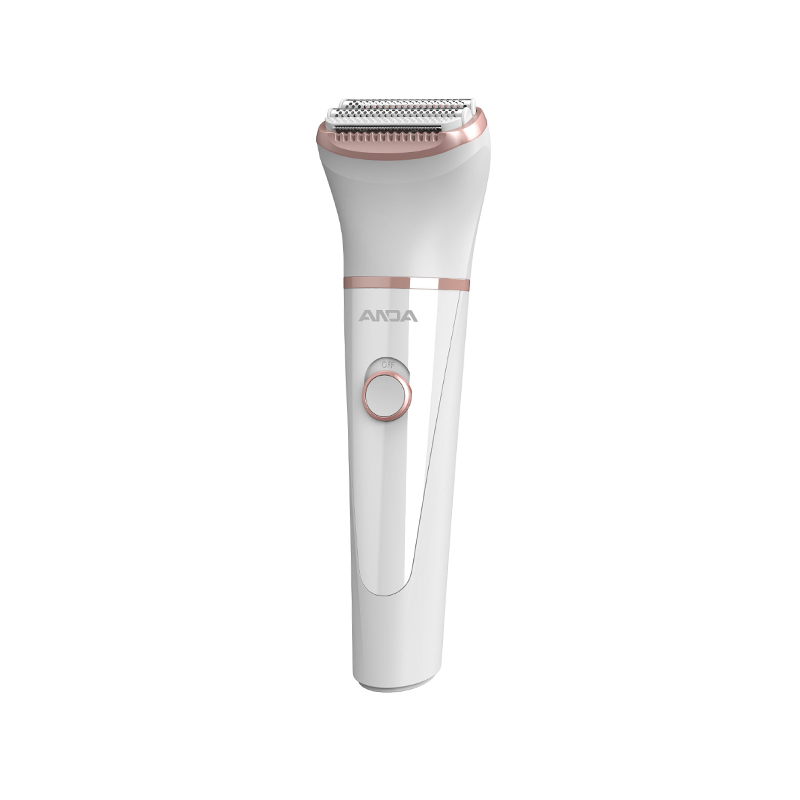
The typical device in this category arrives in a small package. Its size allows it to fit into a purse or a suitcase corner without taking up much room. The device usually includes a foil or mesh head that sits flat against the skin, along with a slim handle that feels comfortable in hand. The charging port sits somewhere on the body, often covered by a small rubber flap to keep moisture out.
USB connectivity has become the defining feature of these grooming tools. Nearly everyone owns a USB charger, whether from a phone, a tablet, or a laptop. That ubiquity means the shaver can charge from a wall adapter, a computer port, or a portable power bank. The convenience factor has pushed many users toward this type of device, especially those who travel frequently or prefer not to carry multiple chargers.
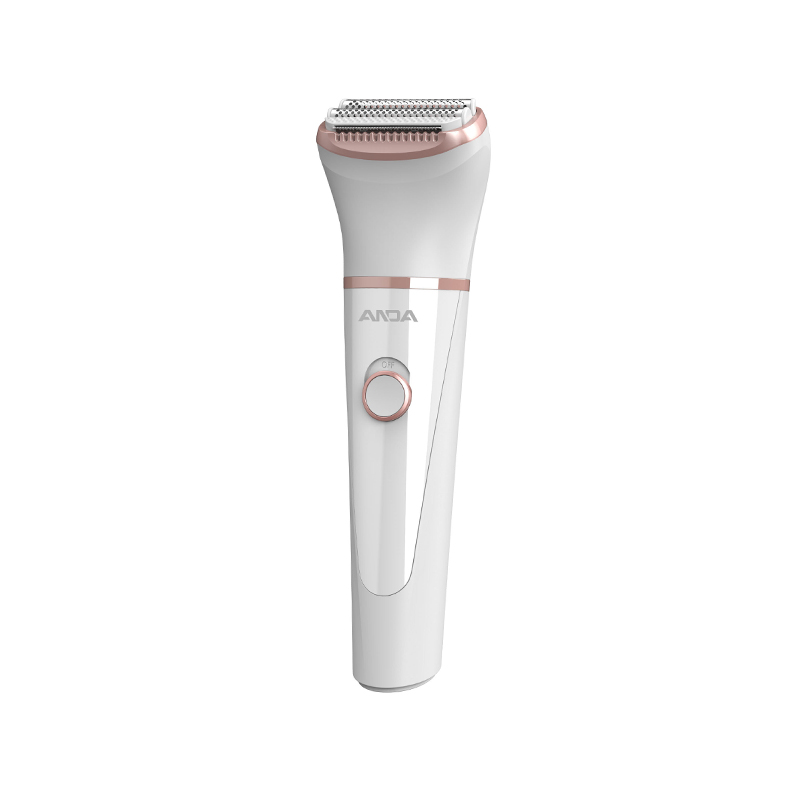
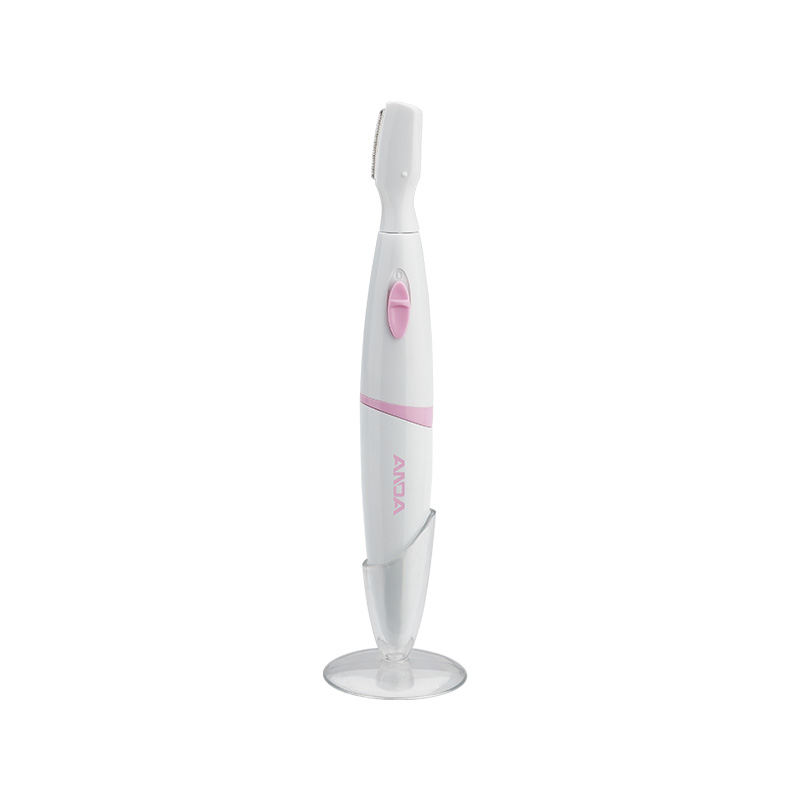
These shavers are not built for heavy-duty use. The motor runs quietly and draws modest power. The cutting elements handle finer hair rather than thick coarse growth. Many models target facial hair—upper lip, chin, eyebrows—along with underarm and bikini areas. The design prioritizes precision and gentleness over raw power. For individuals who need a tool for these specific areas, the USB Lady Shaver offers a straightforward solution.
Regular electric shavers occupy a different space in the grooming market. The form factor is usually larger, with a wider head and a thicker handle. The motor produces more power to handle coarser facial hair that grows on men's faces day after day. Many models come with multiple cutting elements—three rotating discs or a wider foil surface.
The power source varies across models. Some plug directly into a wall outlet and operate only when connected. Others use rechargeable batteries with proprietary charging cradles or cords. The charging system often stays specific to the device, so losing the charger means finding a replacement from the same brand.
Regular shavers also include features intended for daily, heavy use. The blades are built to withstand frequent sharpening needs, though they eventually require replacement. The foil or grid sits over the cutting elements and protects the skin from direct contact with moving parts. Many models include a pop-up trimmer that extends from the back of the device for edging sideburns or mustaches.
These shavers are sometimes used for head shaving as well. The larger surface area covers more ground quickly, reducing the time needed for a complete shave. The motor power handles the thicker hair found on the scalp, something many smaller devices cannot manage effectively.
The obvious difference between a USB Lady Shaver and a regular electric shaver is how each gets power. One relies on a standard USB connection for charging. The other uses a variety of approaches—dedicated charging stands, proprietary cables, or direct AC connection.
USB charging brings certain practical advantages. A single USB cable works for multiple devices. Charging from a laptop during the workday tops up the battery without needing a wall outlet. Portable power banks keep the device running during trips. The charging current remains modest, which suits small batteries that store enough energy for several uses.
Regular shavers often require specific charging equipment. The cradle or stand that holds the device during charging doubles as a storage place. The dedicated cable provides the exact voltage and current the device needs. Charging usually happens at home, where the cradle sits permanently on a bathroom counter or vanity.
The battery capacity also differs. Regular shavers typically store more energy to support longer operating times. The motors draw more current, so the battery needs to supply that demand. Smaller grooming tools have smaller batteries that match the lower power requirements of their motors. The trade-off is that regular shavers take longer to charge and weigh more when held.
Travel considerations play a big role in choosing between the two types. The smaller grooming device's compact size makes it a natural companion for trips. A protective cap covers the foil, preventing damage to the delicate cutting surface. The device slides into a toiletries bag without displacing other items.
Travelers also appreciate the USB charging option. A single charger can serve both the phone and the shaver, reducing the number of cables and adapters carried. In hotel rooms where wall outlets sit behind furniture, charging from a laptop or USB hub keeps the process simple. International travelers avoid the need for voltage converters, as USB chargers handle varying voltages automatically. Anyone looking for a travel-friendly grooming tool will find the USB Lady Shaver meets those requirements well.
Regular shavers occupy more space. The bulkier design means they take up a noticeable portion of a bag. The charging cradle or stand adds another item to pack. Some travelers leave the regular shaver at home and pick up a smaller device for trips, effectively acknowledging the portability gap between the two categories.
The weight difference matters too. A smaller grooming tool weighs little more than a smartphone. Regular shavers feel heavier in hand and heavier in the bag. For short trips or weekend getaways, the lightweight option often wins out simply because it creates less hassle.
The cutting approach differs between the two device types in meaningful ways. Smaller grooming tools typically use a foil design where a thin metal sheet sits over oscillating blades. Hair enters through perforations in the foil and gets cut against the oscillating element. The foil protects the skin from direct blade contact, reducing the chance of nicks.
The foil on a compact grooming device tends to be smaller and more precisely shaped. The curvature matches facial contours, allowing close contact along the upper lip line or chin curve. The blades underneath move at a speed suited for finer hair, providing clean cuts without pulling. That precision makes the USB Lady Shaver a practical choice for detailed work around sensitive facial areas.
Regular electric shavers use both foil and rotary designs. Rotary models have circular heads with spinning blades beneath a protective grid. These heads follow facial contours and handle the curves of the jaw and neck well. The spinning action cuts hair from multiple directions, which helps with the varying growth patterns of facial hair.
The blade material and durability requirements also diverge. Regular shavers need blades that hold an edge through years of daily use. The cutting elements are replaceable, and many brands sell replacement foils and blades separately. Compact grooming devices may or may not offer replacement parts, as the devices are sometimes treated as disposable after a certain period of use.
| Attribute | Compact USB Charging Model | Regular Electric Shaver |
|---|---|---|
| Primary Use | Facial and body grooming | Facial and head shaving |
| Size and Weight | Small, lightweight | Larger, heavier |
| Charging Method | USB cable | Proprietary cradle or cable |
| Motor Power | Low to moderate | Higher, for coarse hair |
| Portability | Travel-friendly | Less convenient for travel |
| Blade Type | Small foil design | Foil or rotary systems |
| Replacement Parts | Limited availability | Widely available |
| Target Hair Type | Fine to medium hair | Coarse facial hair |
Grooming needs vary across individuals, and the lines between categories have blurred in recent years. Some people use regular shavers for facial hair and smaller tools for other body areas. The distinction is not always about gender—it often comes down to hair type and personal preference.
Compact grooming devices address multiple body areas beyond the face. The small head works well under arms, along the bikini line, and on legs. The gentle cutting action suits sensitive skin, reducing the redness that sometimes follows shaving. The precision of a small foil allows users to shape and tidy hair without removing everything.
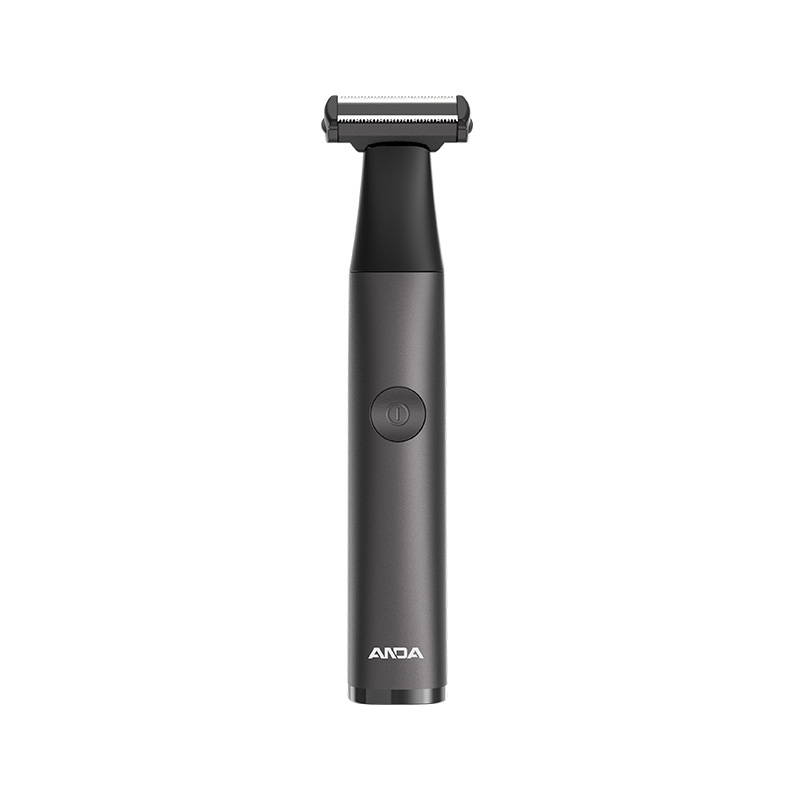
A Rechargeable Body Hair Trimmer fills a related but different role. Trimmers usually do not shave hair flush to the skin. Instead, they leave a short stubble that looks natural and avoids razor burn. Some compact grooming models include a trimming attachment or offer a trim function, which expands their usefulness.
Regular electric shavers have a more specific focus. They are primarily designed for facial hair, though some people use them on other areas. The larger cutting surface makes them less precise for detailed work like shaping eyebrows or edging a hairline. Some models include attachments for trimming beards and mustaches at various lengths, but the shaving function remains central.
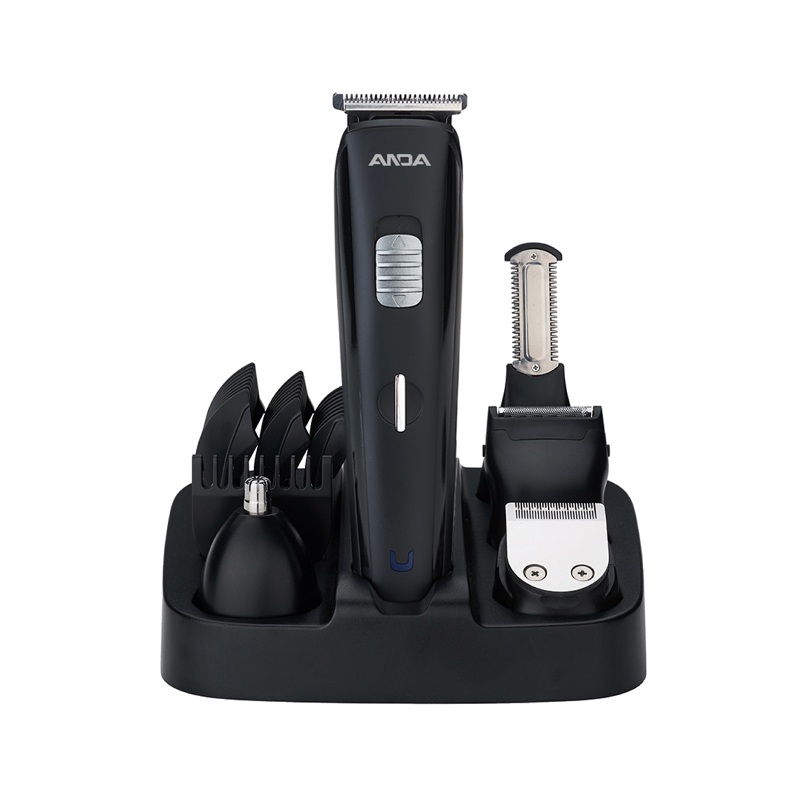
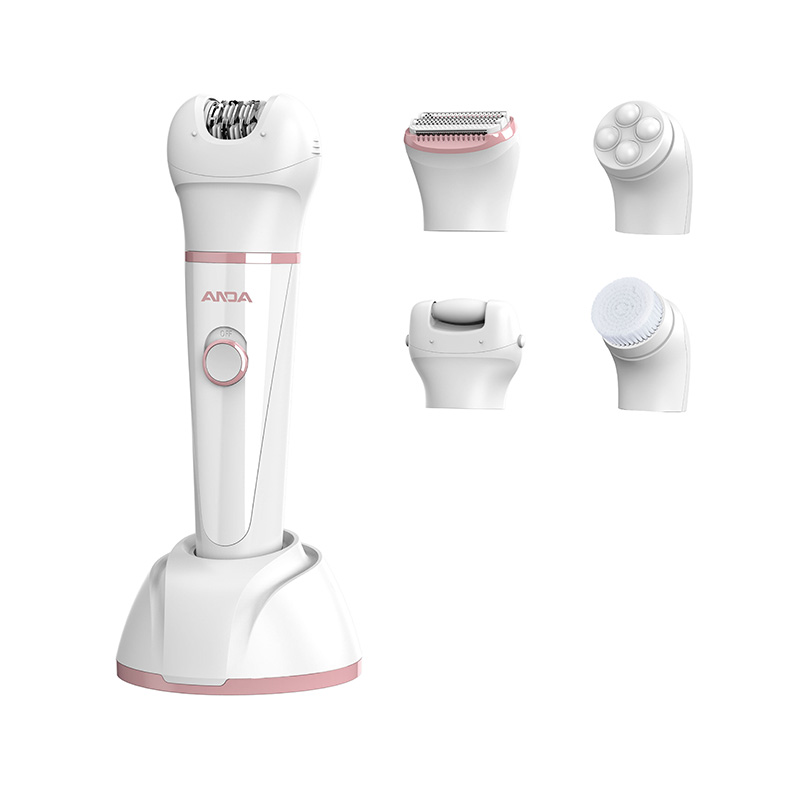
The emergence of multi-use devices has changed how people think about grooming tools. Instead of buying separate products for each body area, users look for one device that handles several tasks. Compact grooming models with interchangeable heads or adjustable settings fit into this trend, as do Rechargeable Body Hair Trimmers that offer both shaving and trimming functions.
Some people shave and walk away without a second thought. Others look in the mirror and see red bumps, tiny cuts, or patches of irritation. The difference often traces back to the tool being used.
Compact grooming devices take a lighter approach. The foil touches the skin but does not press hard. The blades move gently and cut hair at the surface. For delicate spots—the upper lip, underarms, bikini line—this softer action makes a real difference. People who have struggled with razor burn on these areas often notice improvement when they switch to a smaller, gentler device.
Regular shavers come from a different design world. They are built for coarse facial hair that grows thick and fast. The motor runs stronger. The blades cut with more force. The shave gets close and stays close, though the experience can feel rougher on sensitive skin. The design assumes the user has skin that can handle repeated passes.
The material that touches the skin varies as well. Compact models tend to use foils with smooth, rounded edges. The metal stays cool during use. Regular shavers use similar materials, though the larger head creates more friction across the skin surface.
Some users figure out their preference through trial and error. One person might find a compact model works fine for facial touch-ups. Another might try a regular shaver on body areas and regret it. The skin tells the story, and people learn to listen.
A grooming device that stays clean works better and lasts longer. The cleaning routine for each type looks a bit different.
Compact grooming tools keep things simple. The foil head pops off, exposing the blades underneath. A small brush sweeps away the hair and dead skin that collects there. Rinsing under the tap works for washable models, though drying matters. Water left on the blades causes dullness over time.
Regular shavers can be more work. Some come with cleaning stations that handle the whole process automatically. Others require removing the foil, applying cleaning spray, and brushing out trapped hair. The larger head means more hair gets caught, so cleaning happens more often.
Battery care falls into the maintenance category too. Compact USB models charge from any port, though the battery eventually wears out. Regular shavers with proprietary chargers often have sturdier batteries that hold up longer.
Storage habits affect both types. A cap keeps the foil from getting bent. A dry spot keeps moisture away from the charging port. The compact design makes it easier to tuck the device into a drawer, which some users appreciate.
The battery inside a grooming device shapes how often it needs charging and how long it runs. The charging system affects convenience and compatibility.
Compact grooming models use small lithium-ion batteries. They charge quickly and hold enough power for several uses. The USB connection means charging can happen almost anywhere—from a laptop, a wall adapter, or a power bank. A full charge might last a week of regular use, though that depends on how often the device runs.
Regular shavers pack larger batteries that run longer. A single charge can last a month of daily shaving. The trade-off is longer charging times and more weight from the bigger battery. Some regular shavers offer quick-charge features that provide enough power for one shave after just a few minutes plugged in.
How users know the charge level differs too. Compact models often have a single light that glows while charging and turns off when full. Regular shavers sometimes include displays showing battery percentage or estimated remaining minutes. These indicators help users plan ahead.
Charging frequency affects battery life. USB devices get charged more often because the battery is smaller. Regular devices charge less frequently but may drain deeper before getting topped up. Neither approach clearly wins—each works for its intended use pattern.
Multi-purpose grooming devices have gained ground in recent years. A Rechargeable Body Hair Trimmer offers users more options than a dedicated shaver, with attachments that adjust cutting length and style.
Trimmers operate differently from shavers. The cutting mechanism uses a blade that moves across a stationary comb. The comb determines how much hair stays and how much goes. This setup leaves hair at a consistent length rather than removing everything down to the skin.
The trimming function appeals to people who want a groomed look without going completely smooth. For areas like the chest, arms, or legs, a trimmer provides a tidy appearance without the close contact that sometimes causes irritation. Some users switch between trimmer and shaver settings depending on the area and their preference that day.
A Rechargeable Body Hair Trimmer adds flexibility to the grooming routine. One device can handle both trimming and shaving, which reduces the number of tools cluttering the bathroom. The convenience of having both functions in one package has drawn interest from various user groups.
The final decision depends on what the user actually needs. Some factors carry more weight than others.
How often someone shaves plays a role. Daily shavers might prefer a regular model with longer battery life and available replacement parts. Occasional users might find a compact USB device more practical—it charges easily and stores in a small space.
The areas being groomed matter too. A device used only for facial hair might be a regular shaver. A device used across multiple areas might be a compact model that handles varied hair textures. Some users find that a Rechargeable Body Hair Trimmer covers their needs better than either dedicated type.
Travel habits often tip the scale. Frequent travelers lean toward compact size and USB charging. Those who stay home might not care about portability and choose a regular shaver with more power.
Skin sensitivity can decide the matter. People with easily irritated skin often avoid the more aggressive cutting action of regular shavers. The gentler touch of a compact model suits them better, even if they need to take more time.
Replacement parts deserve thought. Regular shavers typically offer new foils and blades, which extends the device's life. Compact models may not have parts available, so the whole device gets replaced when the cutting elements wear out. The long-term cost difference affects some buying choices.
The availability of trimming attachments can sway decisions. Users who want both a close shave and the ability to keep some length might look for a device that does both. A Rechargeable Body Hair Trimmer with shaver attachments offers a middle ground between the two dedicated types.
What works for one person often fails for another. The range of options on shelves reflects the range of preferences among users. Some choose the compact USB model for its portability and gentle action. Others pick the regular shaver for its power and durability. The right choice depends on the individual—their skin, their habits, and what they actually need from a grooming tool.
Recommended Products

No.377. Fourth Avenue, Binhai Park, Economic-Technological Development Zone, Wenzhou, Zhejiang, China.

+86-577-88912812

+86-577-88912822

anda1@andaelectric.com
anda6@andaelectric.com
anda7@andaelectric.com
Copyright © Zhejiang Anda Electric Co., Ltd. Rights Reserved.
Electric Hair Clipper Manufacturer



 English
 Español
 русский