2026.03.20
 News
News
A modern Home-Used Electric Hair Clipper Factory operates with impressive production capabilities to meet global demand. Facilities often span tens of thousands of square meters, housing multiple assembly lines running simultaneously throughout production shifts. Large-scale operations maintain numerous production lines with daily output reaching substantial figures that supply retailers worldwide. Monthly production figures for established manufacturers frequently exceed hundreds of thousands of units, with orders booked months in advance through distribution networks. This substantial manufacturing infrastructure enables factories to serve both domestic consumers and international markets across Europe, North America, Southeast Asia, and the Middle East regions where demand for personal grooming appliances continues growing steadily.
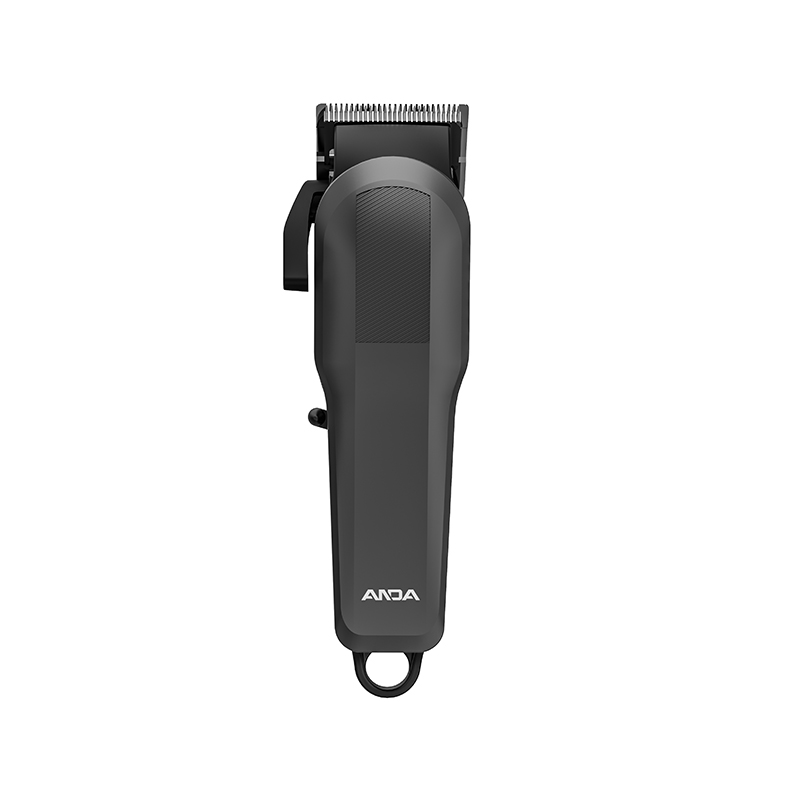
Successful Home-Used Electric Hair Clipper Factory operations maintain comprehensive in-house production capabilities rather than outsourcing critical components. Rather than depending on external suppliers, these facilities often house their own mold workshops, injection molding departments, and precision assembly lines operating under one roof. Some manufacturers operate dedicated blade factories to control quality at the component level before final assembly begins. Circuit board assembly lines and plastic finishing departments further vertical integration, reducing dependency on outside vendors who might introduce variability. This integrated approach allows factories to maintain consistent quality standards while responding quickly to design changes or production adjustments required by evolving market preferences.
Innovation drives competitiveness in the personal care appliance sector, where consumer expectations constantly evolve. Leading Home-Used Electric Hair Clipper Factory operations invest substantially in research and development, allocating significant portions of annual sales revenue to new product creation and existing model refinement. Some companies introduce dozens of new models annually, with many progressing to mass production after extensive prototyping and consumer testing. Patent portfolios grow steadily through this development work, with successful manufacturers accumulating numerous utility patents and design patents protecting their innovative features. This focus on research and development enables factories to transition from basic contract manufacturing to offering original design manufacturing services for brand partners.
The heart of any quality clipper lies in its motor system, where engineering advances deliver tangible performance improvements. Progressive Home-Used Electric Hair Clipper Factory engineering has shifted from traditional universal motors to brushless designs, offering higher efficiency and reduced noise levels during home use. These advanced motors deliver consistent cutting performance while operating quietly enough for use in shared living spaces without disturbing others. Some manufacturers specialize in small motor appliances, developing decades of expertise in precision motor assembly and performance optimization through continuous refinement. Battery technology has similarly advanced, with modern clippers featuring lithium cells providing extended runtime between charges for complete grooming sessions.
Rigorous testing procedures define reputable manufacturing operations where product reliability directly impacts brand reputation. A typical Home-Used Electric Hair Clipper Factory maintains dedicated laboratories where products undergo extensive validation before shipment reaches distribution centers. Switches endure thousands of operation cycles, motors run continuously to verify durability under load, and cutting performance receives careful evaluation across different hair types and densities. Many facilities achieve international quality management certification and comply with safety requirements including European, American, and Asian regional standards governing electrical appliances. Some manufacturers implement automated test equipment that simulates real-world usage patterns over extended periods.
Recommended Products

No.377. Fourth Avenue, Binhai Park, Economic-Technological Development Zone, Wenzhou, Zhejiang, China.

+86-577-88912812

+86-577-88912822

anda1@andaelectric.com
anda6@andaelectric.com
anda7@andaelectric.com
Copyright © Zhejiang Anda Electric Co., Ltd. Rights Reserved.
Electric Hair Clipper Manufacturer



 English
 Español
 русский