Industry News
 2026.10.30
 Industry News
A barber visit takes travel time, a booking slot, and a fee that repeats every few weeks. Cutting hair at home removes those hurdles. It also brings new ones, such as a blind spot at the back of the head and a risk of taking off too much length in one pass. A Hair Cutting Clipper with guards makes simple upkeep manageable. Hair type, preparation, and technique still decide the result.
Home grooming gives flexibility. You choose the day, work at your own speed, and fix a stray patch the moment it bothers you. That suits people who keep a short, uniform style and want upkeep between salon visits.
Common reasons include:
Convenience does not make every cut easy. Evenness around the back and ears is hard without a helper or a second mirror. Smooth transitions between lengths take practice. A small maintenance trim is a very different task from a full change of style.
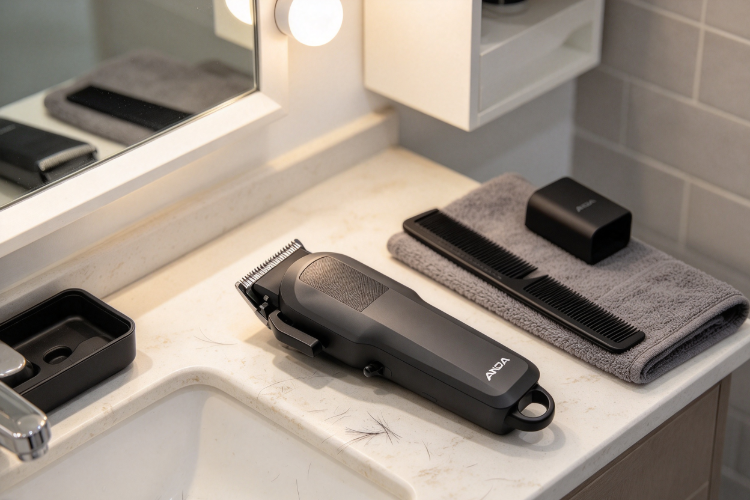
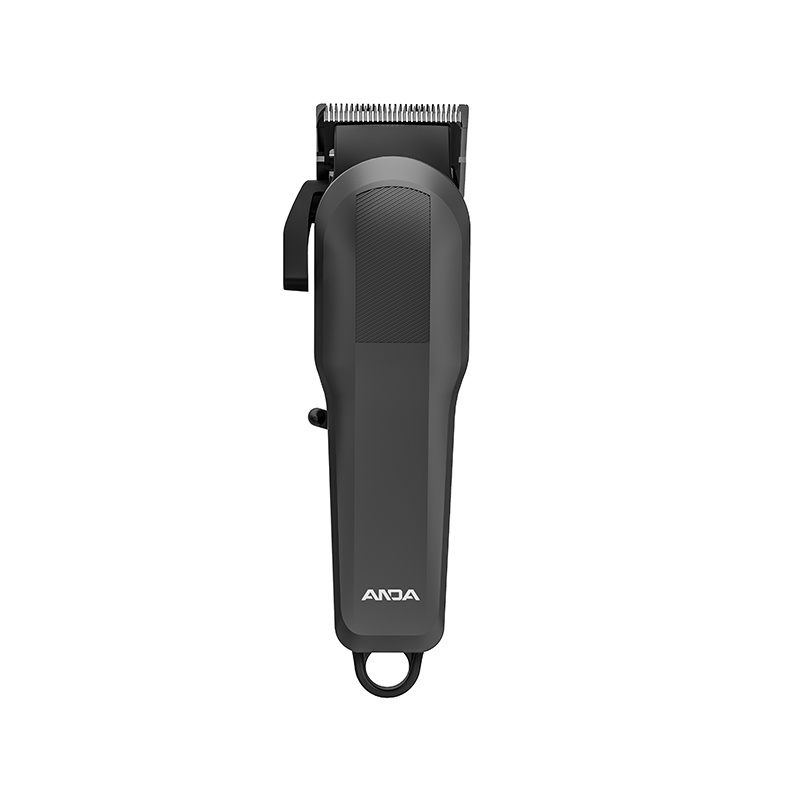
A Hair Cutting Clipper removes hair with moving blades, and attachment guards hold a chosen length. Guards give beginners a controlled starting point compared with bare blades. The result still depends on how the tool moves across the head.
| Grooming Task | How a Clipper Helps |
|---|---|
| Short hair upkeep | Keeps overall length manageable |
| Side trimming | Removes extra hair around the sides |
| Neckline cleanup | Keeps the lower hairline neat |
| Sideburns | Tidies the area near the ears |
| Beard upkeep | Supports basic trimming if the model allows it |
Check the manufacturer's instructions before using a tool for a purpose it was not made for. Some models suit head hair, while others suit detailed facial work.
Picking a Hair Clipper for Cutting Hair begins with your intended style. Someone keeping one even length needs less than someone shaping tapers around the ears. Look at these points:
Price is one factor among several. A clipper should fit your style, skill, and upkeep habits and not just its looks.
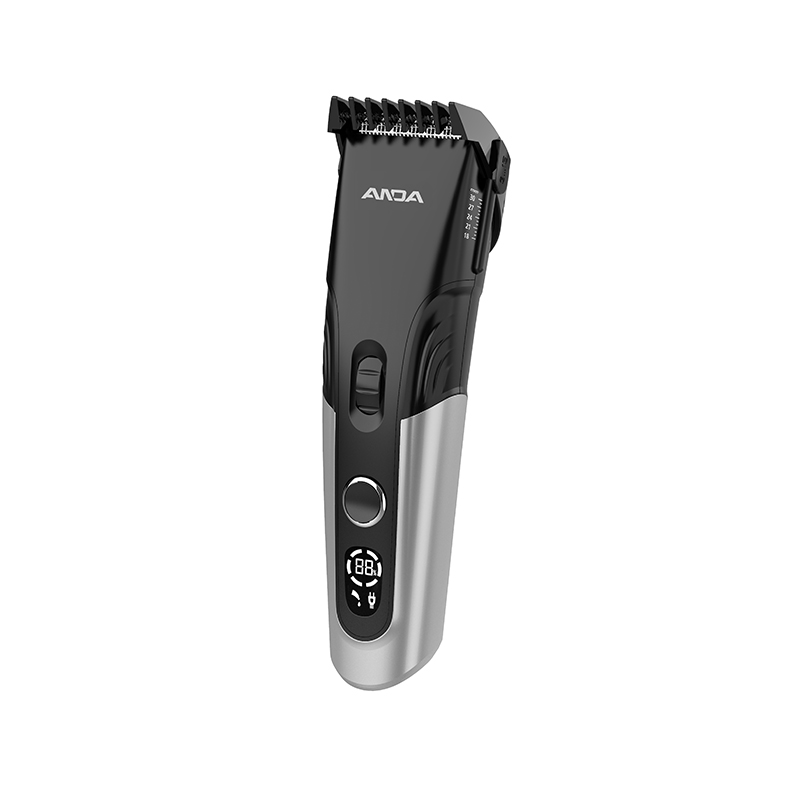
A Professional Haircut Trimmer appeals to people who want finer control over edges and sideburns. Clippers usually remove bulk, while trimmers handle detail. Some products blend both roles, though not every model does each job equally well.
A beginner can pair one main clipper with one detail tool, or start with only the clipper. Extra tools mean extra learning. Professional-style equipment does not produce professional results on its own, because technique and the cut itself matter just as much.
Good light, a steady mirror, and room to move make the job calmer. Read the operating and safety instructions, since some clippers are made for dry hair and others allow different conditions. Keep a brush, towel, and cleaning supplies within reach.
Before switching on, decide how much hair needs to go. A quick change to one section often tempts people to cut more, and extra shortening is hard to undo.
A simple preparation list:
Rushing, pressing hard, or changing direction suddenly leaves uneven areas. Begin with a longer guard and remove small amounts. If the hair is still long, make another careful pass. Working section by section lets you compare lengths as you go.
A Clipper Hair Trimmer routine can stay simple:
Do not push the cutting head against the scalp or use the tool in ways that cause discomfort.
The back is the hardest area to manage alone. You cannot see the cutting path, and the curve of the skull makes a steady angle difficult. A second mirror helps, although matching its reflection to hand movement takes time.
If you can no longer see what you are doing, pause. Cutting blind creates patches that are hard to correct.
A regular schedule makes grooming predictable and helps you notice when blades need attention.
| Routine Task | Practical Approach |
|---|---|
| Overall length | Use a suitable guard |
| Sideburns | Compare both sides for a similar look |
| Around the ears | Move carefully, following the instructions |
| Neckline | Trim only where you can control the tool |
| Equipment care | Remove clippings and maintain as directed |
Choose a style that suits your hair type and one you can maintain. A clipper should not force a look your hair does not support.
Moving blades call for attention. Make sure the cutting head and guards are fitted correctly. Do not use a damaged clipper, loose attachment, or tool with visible electrical faults. Keep corded models away from water and charge cordless ones as the maker directs.
Sensitive skin near the ears and neck needs slow, light movement. If the tool pulls hair, grows unusually hot, or causes discomfort, switch it off and check the instructions. Children should have adult help.
Hair collecting around the blades can cause pulling and extra wear. After each session:
Check the cutting head for visible damage and replace worn parts as directed.
Home cuts work for simple upkeep. Detailed fades, textured layers, and large changes in shape need experience and a full view of the head. A barber can read growth patterns and suggest a style that fits your hair.
The two approaches work together. Visit a salon for the main cut, then use your Hair Cutting Clipper between appointments for touch-ups within your skill.
Retailers and distributors should match products to their customers. Review intended use, guard options, handling, cleaning needs, packaging, and replacement parts. Clear product information helps shoppers use and maintain clippers correctly.
Ask suppliers how products are inspected before shipping and how packaging protects blades and accessories. Label mixed models clearly to ease receiving and inventory. Confirm specifications, delivery terms, and the process for reporting defects before ordering.
For home users, the decision comes down to the style you want, your comfort with the tool, and your willingness to practice. Be honest about which tasks you can handle yourself and which belong to a professional.
Recommended Products

No.377. Fourth Avenue, Binhai Park, Economic-Technological Development Zone, Wenzhou, Zhejiang, China.

+86-577-88912812

+86-577-88912822

anda1@andaelectric.com
anda6@andaelectric.com
anda7@andaelectric.com
Copyright © Zhejiang Anda Electric Co., Ltd. Rights Reserved.
Electric Hair Clipper Manufacturer



 English
 Español
 русский