Industry News
 2026.07.24
 Industry News
Men's grooming tools have multiplied in recent years. Shelves hold devices for every hair type and body area. Two common tools sit in many bathrooms. One trims nose and ear hair. The other cuts head hair and displays settings on an LCD screen.
People often assume one tool can do the other's job. That assumption leads to disappointment. A device designed for a few small hairs in a narrow space does not work well for a full head of hair. A clipper built for large areas cannot fit into the ear canal or nostril. Understanding the differences between these two tools helps in using each one as intended.
The intended use area shapes every aspect of the tool design.
A men's nose and ear hair trimmer is made for small, confined spaces. The nostrils and ear canals are narrow. They have delicate skin. The hairs inside are fine and sparse compared to head hair. The tool must fit into these tight openings without causing pain or injury.
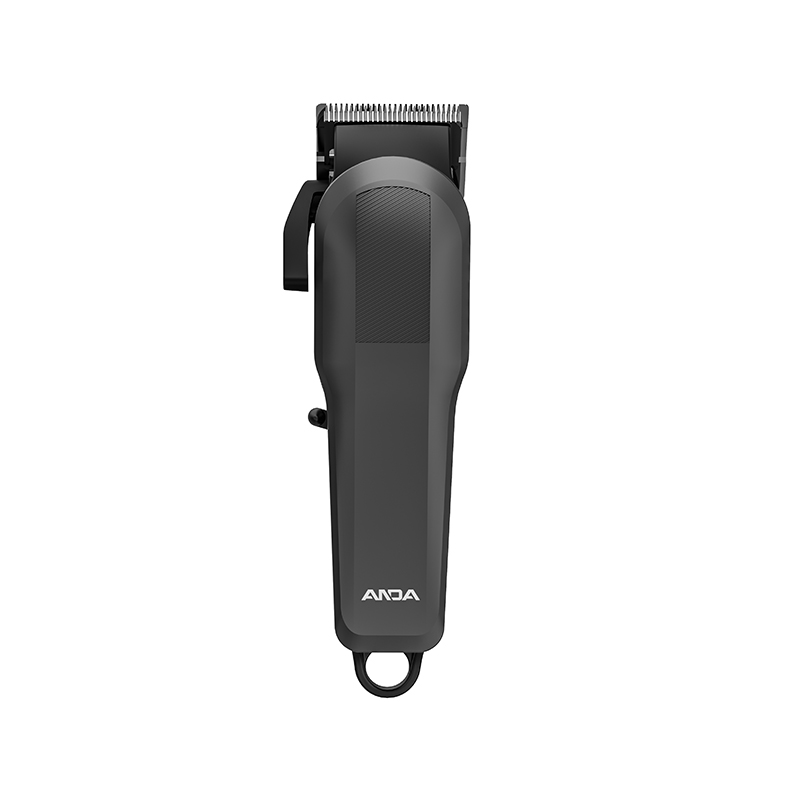
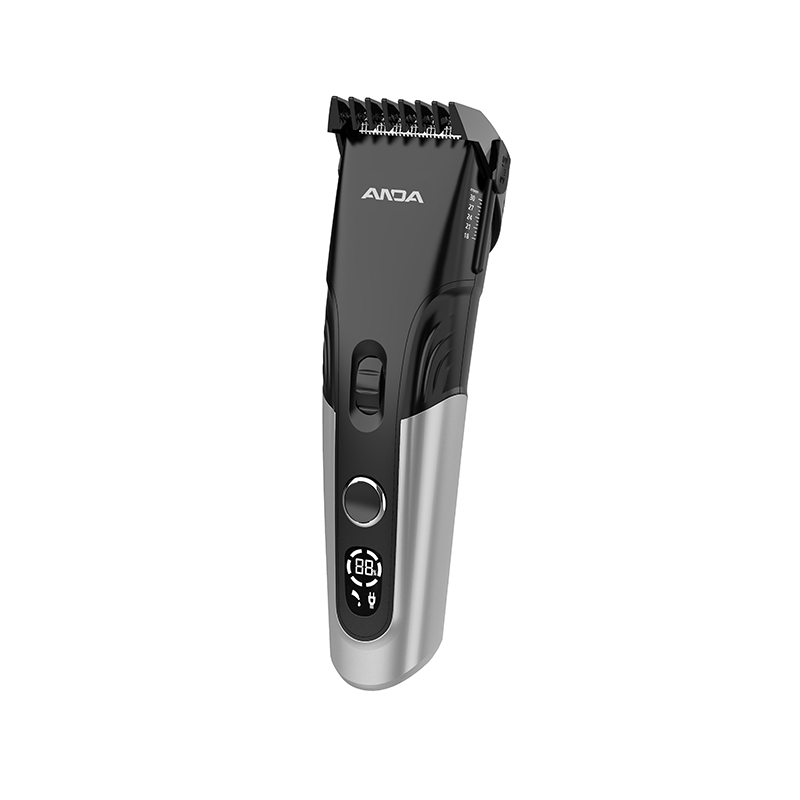
An LCD Hair Clipper handles large surfaces. The scalp has thick hair. The coverage area is broad. The hair clipper moves over the head in long strokes. It removes hair in bulk. The design reflects these needs with a wider blade and larger body.
Attempting to use a hair clipper inside the nose is not advisable. The blade is too wide. The cutting action would cause injury. Using a nose trimmer on the scalp would take a very long time. The small blade cuts very little hair per pass.
The cutting method differs between the two tools. Each method matches the hair type and location.
Nose and ear trimmers use a rotary cutting action. A spinning blade rotates inside a stationary outer guard. The guard has slots that allow hair to enter. The rotating blade cuts the hair as it passes. The outer guard protects the skin from the moving blade.
Hair clippers use a different system. Two sets of blades sit against each other. One blade moves side to side. The other blade stays fixed. The moving blade slides across the fixed blade. Hair gets caught between the two. The sliding action cuts the hair.
The cutting speed and force also differ. Nose trimmers use a slower speed. The hair is fine and easy to cut. Clippers use a faster speed. The hair is thicker and requires more cutting action.
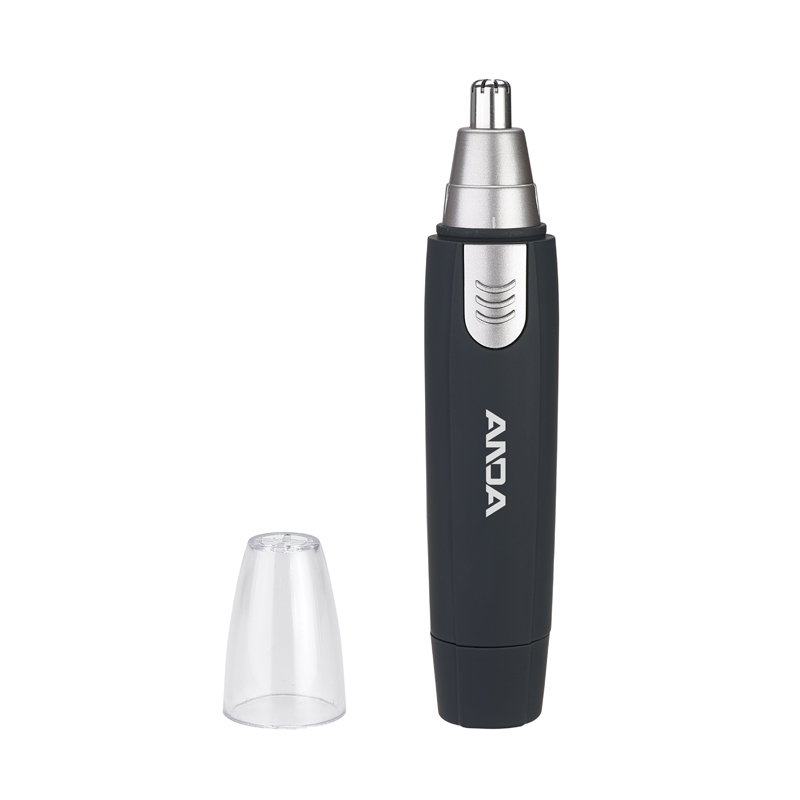
Nose and ear trimmers are small. They fit in the palm of the hand. Some models are the size of a pen. The small size allows precise control in tight spaces. The tool can be stored in a drawer or bathroom cabinet without taking much space.
LCD Hair Clippers are larger. The body holds a motor, battery, and display screen. The blade is wide. The tool needs to be held with a full grip. The size provides stability during use. The tool takes up more storage space.
Portability follows the size difference. A small nose trimmer fits easily in a travel bag. A large clipper takes up more room. Travelers may choose one tool based on the space available in their luggage.
| Feature | Nose and Ear Trimmer | LCD Hair Clipper |
|---|---|---|
| Blade width | Narrow | Wide |
| Body size | Small, pen-like | Larger, full-grip |
| Weight | Light | Heavier |
| Storage | Drawer or small case | Cabinet or larger case |
Power sources affect how and when each tool can be used.
Many nose and ear trimmers use a single AA or AAA battery. The battery is easy to find. Replacing it takes seconds. The tool is ready to use immediately with a fresh battery. Some models use rechargeable batteries built into the unit.
LCD Hair Clippers typically use built-in rechargeable batteries. A charging base or cord charges the tool. The battery must be charged before use.
Battery life also differs. A nose trimmer uses little power. A battery lasts for many uses. A hair clipper uses more power. The motor is larger. The cutting action requires more energy. The battery life is shorter per charge.
Maintenance keeps each tool working properly. The requirements differ.
Nose and ear trimmers need cleaning after each use. Hair and debris collect inside the guard. Running the tool under water removes the debris. The cutting mechanism has few moving parts that need lubrication.
Hair clippers need more maintenance. Blade cleaning is required after use. Hair sticks to the blades and between them. A cleaning brush removes the hair. Oil keeps the blades moving smoothly. Regular oiling prevents the blades from getting hot during use.
The blade replacement cycle also differs. Nose trimmers have blades that last a long time. The fine hairs do not wear the blades quickly. Hair clipper blades wear faster. The thick hair dulls the blades over time. Replacement blades are available for models.
Using each tool feels different. The experience affects how often people reach for the tool.
A nose and ear trimmer fits easily in the hand. The tool moves into the nostril or ear canal. The user feels a gentle vibration. The tool trims hairs without pulling.
An LCD Hair Clipper feels different. The user grips a larger handle. The tool vibrates more. The blades make a louder sound. The user guides the clipper across the head. The process takes more time than trimming a few nose hairs.
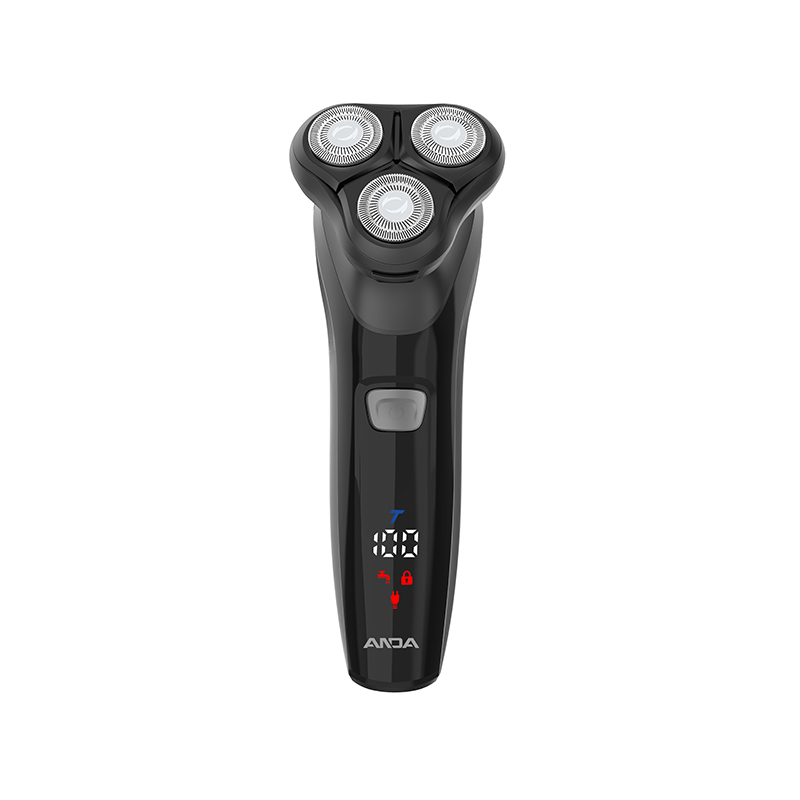
The display on the LCD clipper adds to the experience. The screen shows battery level and sometimes the length setting. The screen gives the user information during use. The nose and ear trimmer has no screen. No information display is needed.
Safety is built into each tool differently. The risks are different, so the protections are different.
Nose and ear trimmers feature a round, smooth tip. The tip goes inside the nostril or ear. A sharp edge would cause cuts. The rounded shape lets the tool move against delicate skin without damage. The outer guard covers the cutting blade completely. Only hair enters the slots. The skin stays outside.
Some models include a light. The light illuminates the area being trimmed. The user sees what they are doing. The light reduces the chance of missed hairs or accidental contact.
Hair clippers have different safety features. The blades are flat. They move across the scalp. The user controls the pressure. The blades are sharp but sit at an angle that reduces skin contact. Adjustable combs sit over the blades. The combs set a consistent cutting length. The comb prevents the blades from reaching the skin.
The risk of cuts is higher with a hair clipper if the user is not careful. The blades are designed for efficiency, not for blind operation. The user watches what they are doing and controls the pressure.
Blade life depends on use. The frequency of use and the thickness of the hair affect how long blades stay sharp.
Nose and ear trimmers have blades that last a long time. The hair they cut is fine and soft. The cutting action is light. A blade can last for years with regular use. The user may replace the tool before the blade wears out.
Hair clipper blades wear faster. Head hair is thicker and coarser. The blades cut many hairs in a single pass. The friction heats the blades. The combination of use and heat dulls the edges over time.
The blade material affects how long the blades last. Stainless steel blades hold their edge well. Ceramic blades offer longer sharpness but may be more fragile. Both materials perform well for their intended use.
The extras that come with the tool increase its usefulness. Each tool comes with a different set of accessories.
A nose and ear trimmer typically includes a cleaning brush. The brush removes hair from the cutting area. Some models include a protective cap. The cap covers the blade for storage. The cap protects the blade and the user. A battery may be included.
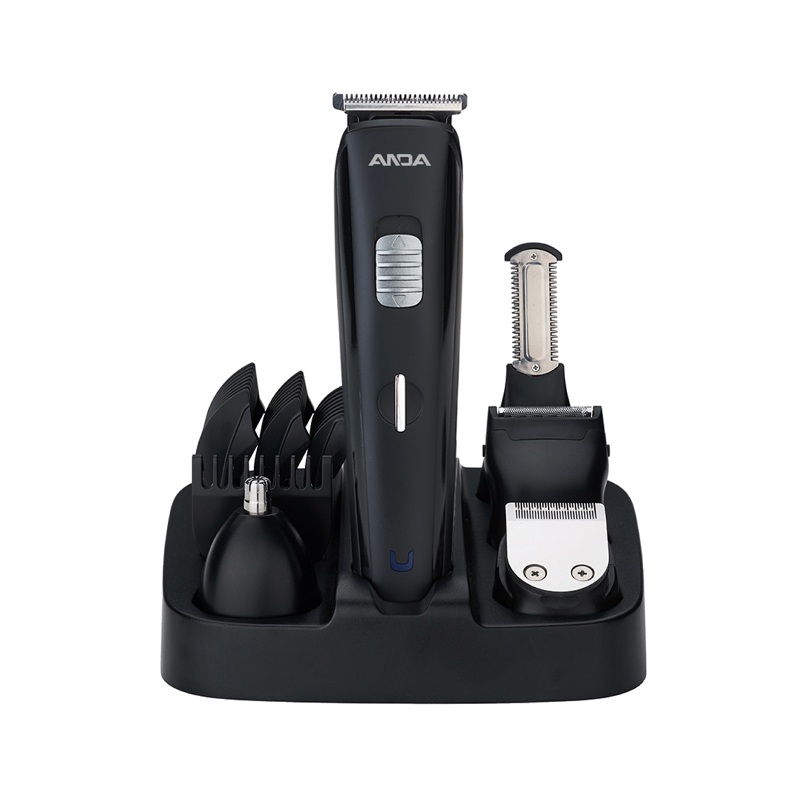
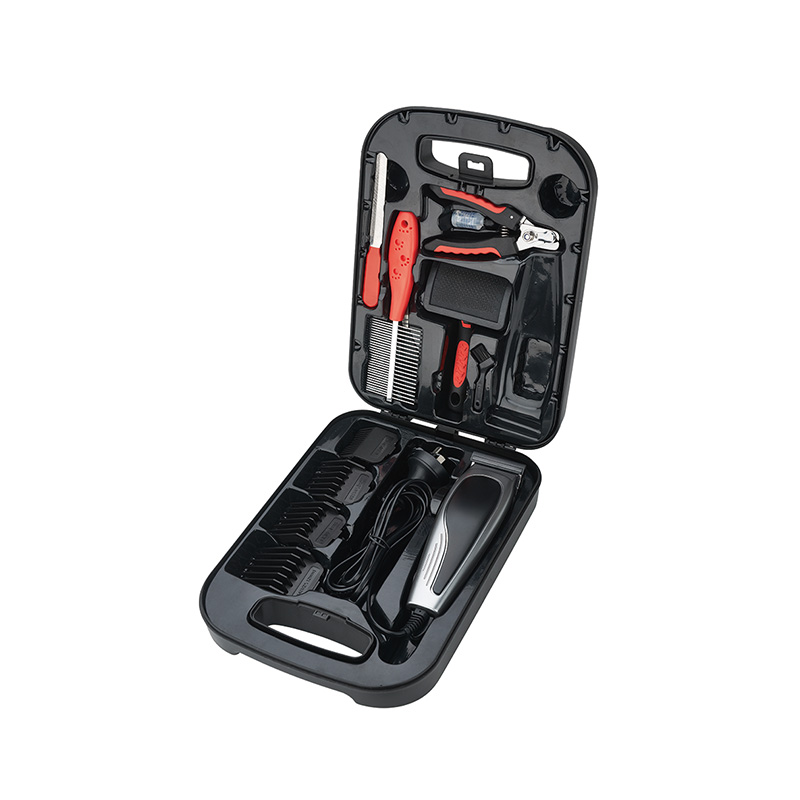
An LCD Hair Clipper comes with more accessories. Several guide combs are usually included. The combs come in different lengths. The user chooses the comb for the desired hair length. Some sets include a cleaning brush and a bottle of lubricating oil. Some models include scissors or a neck brush.
The quantity and quality of accessories vary. A set with many guide combs offers more flexibility. A set with a single comb limits the styles the user can create.
| Accessory | Nose and Ear Trimmer | LCD Hair Clipper |
|---|---|---|
| Cleaning brush | Often included | Often included |
| Protective cap | Often included | Rarely |
| Guide combs | Not applicable | Multiple lengths included |
| Lubricating oil | Not required | Usually included |
| Power source | Battery (may be included) | Charging cable included |
Travel changes the requirements for grooming tools. Size, power, and ease of use all matter.
A nose and ear trimmer works well for travel. The small size takes almost no space. A single AA battery lasts for a long time. The user can carry a spare battery easily. The tool fits in a toiletry bag without crowding other items.
An LCD Hair Clipper is less convenient for travel. The size is larger. The charging cable adds another item to pack. The user must remember to charge the tool before leaving. Some models have a travel lock that prevents accidental activation during transit.
For a short trip, a nose trimmer is easy to bring. A hair clipper may be more trouble than it is worth. For a long trip, the user may decide to pack both if space allows.
The purchase price and ongoing costs differ. Understanding the full cost helps with budgeting.
Nose and ear trimmers are generally less expensive. The tool is smaller. The motor is simpler. The design has fewer parts. The initial purchase price is lower. Replacement batteries add a small ongoing cost. The tool does not require replacement blades for many users.
Hair clippers cost more initially. The tool is larger. The motor is more powerful. The LCD display adds to the cost. The guide combs and accessories add value but also add to the price. Replacement blades are an additional cost over time.
The cost of ownership over several years includes the initial price, replacement batteries or electricity cost, and blade replacements. The nose trimmer costs less over its lifetime for users. The hair clipper costs more to buy and to maintain.
Recommended Products

No.377. Fourth Avenue, Binhai Park, Economic-Technological Development Zone, Wenzhou, Zhejiang, China.

+86-577-88912812

+86-577-88912822

anda1@andaelectric.com
anda6@andaelectric.com
anda7@andaelectric.com
Copyright © Zhejiang Anda Electric Co., Ltd. Rights Reserved.
Electric Hair Clipper Manufacturer



 English
 Español
 русский