Industry News
 Home / News / Industry News / What Makes Barber Hair Clippers Kit Different from Home Use Hair Clippers
  2026.07.28
 Industry News
Hair clippers may appear similar at a glance, yet everyday use often reveals clear differences. A person trimming hair at home usually works in a relaxed setting with flexible timing. Professional work follows another rhythm, where repeated cutting sessions become part of a normal working day.
Different environments naturally create different design priorities. A household user may focus on convenient storage, simple operation, and occasional maintenance. Professional users often expect equipment to remain comfortable during repeated use while supporting different haircut styles throughout the day.
Home Use Hair Clippers are generally selected according to daily household routines rather than continuous operation. Family members may use them only when hair becomes longer, making convenience more important than extended working cycles.
Several situations help explain the difference.
For home users:
Professional environments usually involve:
Neither situation should be viewed as better than the other. Equipment simply adapts to different patterns of use.
Another difference comes from user expectations. Household users often appreciate products that require little preparation before cutting begins. Professional workers usually pay closer attention to cutting consistency, handling comfort, and how smoothly the equipment fits into an established workflow.
Design therefore begins with understanding where the clipper will actually be used instead of simply separating products into different market categories.
Daily operation influences equipment requirements more than appearance does. A clipper used once in a while experiences a very different workload from one operating repeatedly throughout the day.
A Barber Hair Clippers Kit is commonly arranged around continuous working habits. Instead of focusing only on individual cutting tasks, design often considers repeated movement, regular cleaning, and smooth transitions between different haircut stages.
Hair cutting itself also changes from one customer to another. Hair density, length, and preferred styles may vary during daily work. Equipment therefore needs to remain comfortable while handling changing situations.
Professional use often involves:
Repeated handling also places attention on operating comfort. A clipper that feels balanced during longer use may reduce unnecessary hand movement. Comfortable handling supports natural wrist motion while allowing the operator to maintain steady control.
Working rhythm influences maintenance habits as well. Equipment that receives regular cleaning during the day may benefit from structures that allow loose hair to be removed more easily.
Professional design is closely connected with routine. Every feature becomes part of daily operation rather than existing only as a product specification.
Motor systems and blade structures influence how a clipper behaves during cutting. Even though many products perform the same basic task, internal design choices reflect different usage expectations.
A motor converts electrical energy into blade movement. Smooth operation helps create steady cutting action while reducing interruptions caused by changing hair thickness.
Blade systems also influence daily performance. Cutting edges move repeatedly while passing through different hair lengths. Stable blade movement supports even trimming across different sections of the haircut.
Several design considerations affect practical use.
Motor Operation
Repeated cutting sessions require consistent blade movement. Stable operation helps maintain similar cutting behavior from beginning to end of a haircut.
Blade Movement
Hair moves differently depending on length and texture. Smooth blade motion allows gradual cutting without unnecessary pulling.
Heat Distribution
Moving components naturally generate warmth during operation. Product structure influences how heat spreads through the housing during normal use.
Maintenance Access
Blade assemblies require regular cleaning. Designs that simplify access help users maintain equipment more efficiently.
Rather than changing the haircut itself, motor and blade design affect how naturally the cutting process continues during regular operation.
Handling comfort becomes noticeable after longer periods of use. Weight distribution, grip shape, and balance influence how naturally a clipper moves through different cutting angles.
Household users may hold a clipper for relatively short periods. Professional users often repeat similar movements many times during a working day.
Comfort depends on several small details working together.
Grip design affects how securely the clipper stays in the hand.
Weight balance influences wrist movement when changing directions.
Surface texture may improve handling while allowing easier repositioning.
Control placement can reduce unnecessary finger movement during operation.
Small ergonomic adjustments often become more noticeable during repeated use than during a single haircut.
A well-balanced tool allows movement to remain more predictable. Instead of forcing the user to adjust continuously, equipment follows natural hand motion more closely.
Professional environments often involve changing cutting positions around the head. Different angles require flexible handling, making grip comfort an important part of overall usability.
Equipment rarely works alone. Accessories contribute to daily workflow by supporting preparation, adjustment, and maintenance.
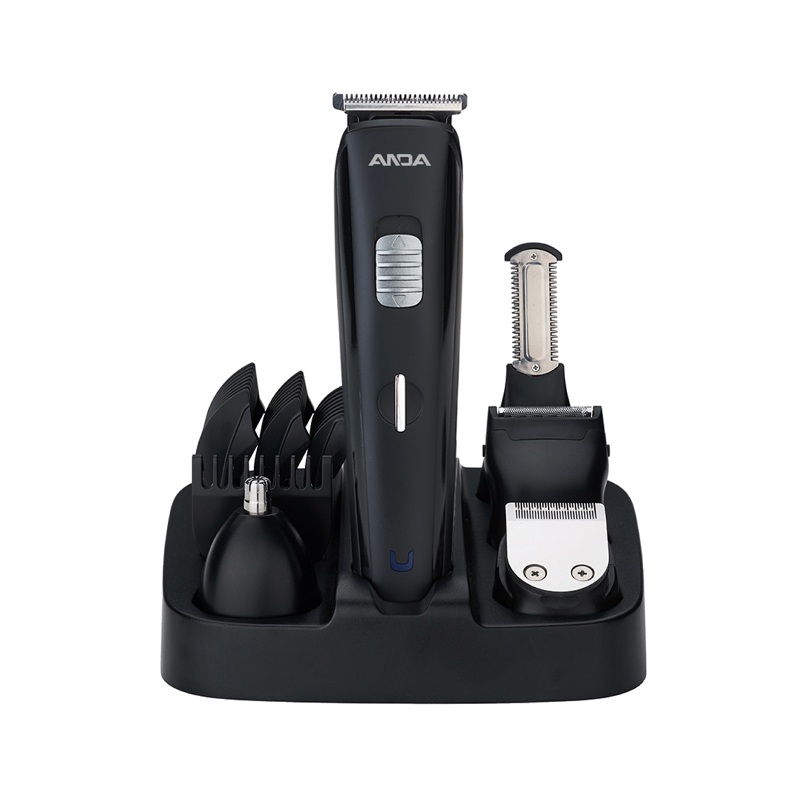
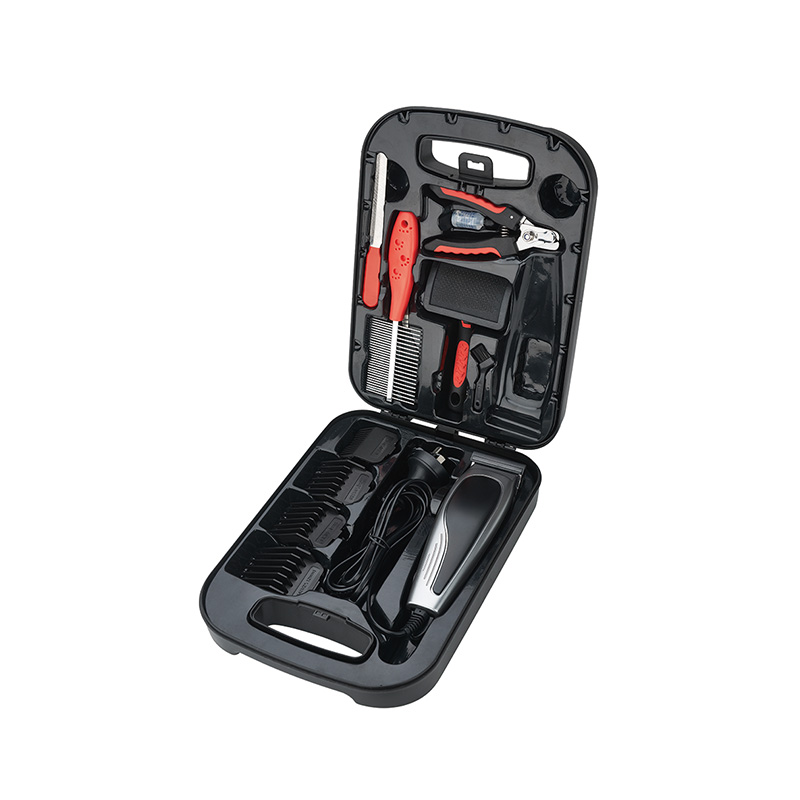
A Barber Hair Clippers Kit often includes additional items that allow users to adapt to different haircut situations without interrupting their work.
Accessories commonly support several tasks:
Guide combs allow gradual length adjustments during different haircut stages.
Cleaning brushes help remove loose hair after each use.
Protective storage cases organize equipment when it is not being used.
Charging accessories support cordless operation where applicable.
Accessories should be viewed as practical working tools rather than optional additions. Their value comes from simplifying everyday routines while helping users keep equipment organized.
Buying a clipper for household use often begins with a simple question: how will it actually be used? Some families trim hair only from time to time, while others rely on the same tool for regular grooming. Daily habits usually provide a clearer answer than product appearance.
Home Use Hair Clippers are commonly selected for convenience. Easy preparation, straightforward controls, and simple storage often fit ordinary family routines better than features designed for continuous operation.
Before making a decision, it is useful to think about several practical situations.
Hair texture can also influence the cutting experience. Thick hair, soft hair, or longer hairstyles may not require different products, although they often encourage different cutting habits. Adjustable guide combs allow gradual changes without making operation difficult.
Another point that receives little attention is comfort during use. Even a short haircut involves moving around different parts of the head. A clipper that feels balanced often allows movement to remain smooth without frequent hand adjustments.
Household equipment becomes easier to use when it naturally fits everyday life rather than requiring special preparation before every haircut.
Professional equipment reflects working habits that develop through repeated daily use. Looking at those design ideas helps explain why certain details appear on one type of clipper rather than another.
Continuous work encourages simple movement. Operators often change cutting direction, adjust grip position, and switch guide combs many times during a haircut. Product design therefore pays attention to reducing unnecessary interruption.
Weight distribution is another example. A balanced clipper often follows hand movement more naturally, allowing steady control while working around different angles.
Maintenance routines also shape professional equipment.
Regular care often includes:
None of these habits are limited to professional work. Household users can also benefit from keeping equipment clean and organized. Small routines completed after each haircut often save time before the next one.
Professional design therefore reflects practical experience rather than complicated technology. Many ideas simply make repeated use feel more comfortable.
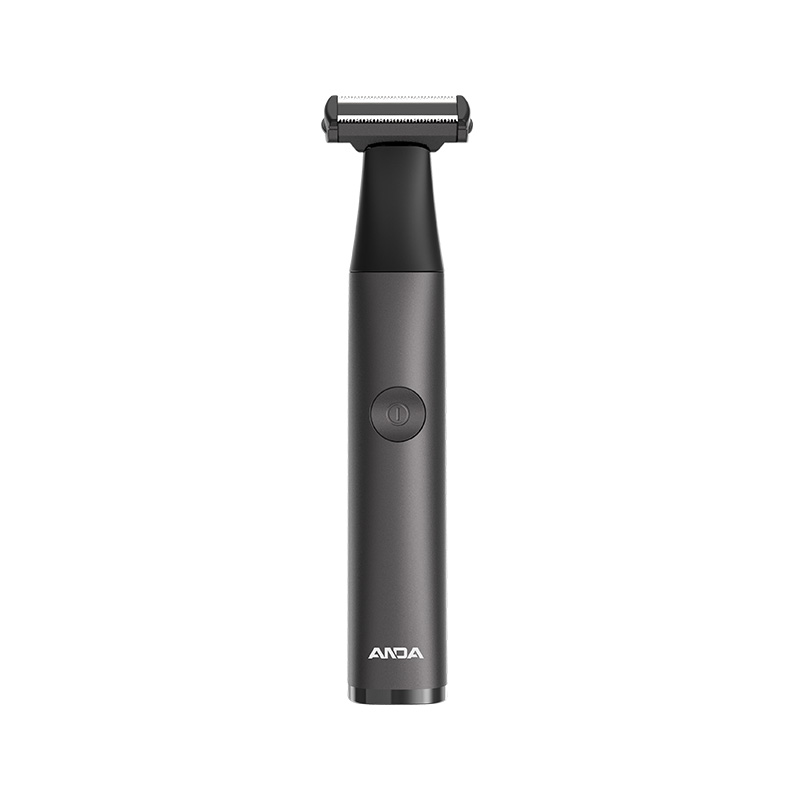
Hair gradually collects around moving parts every time a clipper is used. Small particles may not create immediate problems, although regular cleaning helps prevent unnecessary buildup over time.
Maintenance becomes easier when it is treated as part of the haircut rather than an additional task afterward.
Simple routines may include:
Blade movement also deserves occasional attention. Clean cutting usually depends on smooth movement rather than excessive force. When moving parts remain free from accumulated hair, operation often feels more consistent.
Storage conditions influence daily management as well. Equipment left in damp or dusty locations may require additional cleaning before use. Keeping the clipper in a stable environment helps maintain its condition between grooming sessions.
Small habits rarely require much time, although they often make later preparation much easier.
Comparing different clipper categories becomes easier when daily situations are placed beside each other instead of focusing only on product descriptions.
| Comparison Point | Home Use Hair Clippers | Barber Hair Clippers Kit |
|---|---|---|
| Typical Usage | Family grooming | Frequent haircut sessions |
| Operating Pattern | Occasional use | Repeated daily operation |
| Accessories | Everyday essentials | Broader working accessories |
| Cleaning Routine | Simple maintenance | Regular equipment care |
| Primary Focus | Household convenience | Smooth working process |
Neither category replaces the other because both were created for different routines.
Household equipment usually spends more time in storage than in operation. Professional equipment often moves directly from one haircut to another with very little interruption.
Accessories follow similar logic. Household users generally keep only the items needed for ordinary trimming, while professional environments may require several guide combs and maintenance tools within easy reach.
Looking at actual usage often provides a clearer comparison than reading product labels alone.
Every haircut follows its own routine. Frequency of use, storage habits, cleaning preferences, and user experience all influence which equipment feels appropriate over time.
Home Use Hair Clippers fit situations where family grooming happens as part of ordinary household life. Preparation remains simple, storage takes little effort, and routine maintenance can easily become part of regular care.
A Barber Hair Clippers Kit reflects another working environment where repeated handling, organized accessories, and continuous operation receive greater attention.
Choosing according to real usage often produces a more satisfying result than selecting equipment only because it belongs to a particular category.
Understanding how often the clipper will be used, who will operate it, and how it will be maintained creates a clearer picture before any purchase decision is made. Everyday routines usually provide the practical answer.
Recommended Products

No.377. Fourth Avenue, Binhai Park, Economic-Technological Development Zone, Wenzhou, Zhejiang, China.

+86-577-88912812

+86-577-88912822

anda1@andaelectric.com
anda6@andaelectric.com
anda7@andaelectric.com
Copyright © Zhejiang Anda Electric Co., Ltd. Rights Reserved.
Electric Hair Clipper Manufacturer



 English
 Español
 русский