Industry News
 2026.05.15
 Industry News
A few years ago, many people only trimmed hair at home when it became necessary. Now the habit looks different. Small adjustments are often handled at home without much planning. Someone notices longer hair around the ears before work, or uneven growth near the neckline during the weekend, and the clipper comes out for a quick fix instead of a full haircut session.
This change is connected to routine more than fashion. Hair grows little by little, and many people no longer wait until everything looks messy before doing something about it. Short touch-ups have become more common because they fit naturally into daily life.
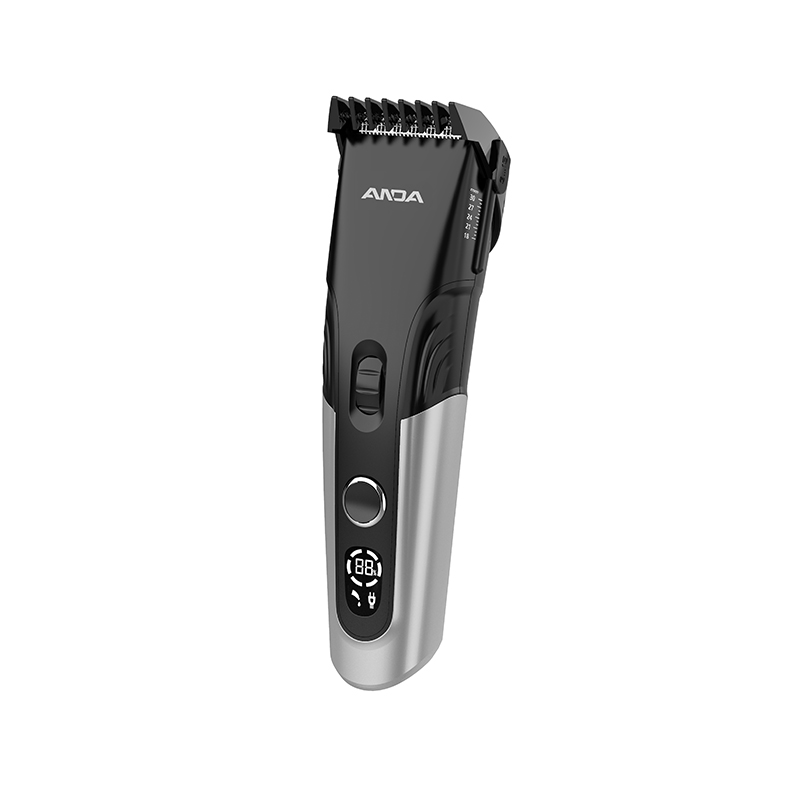
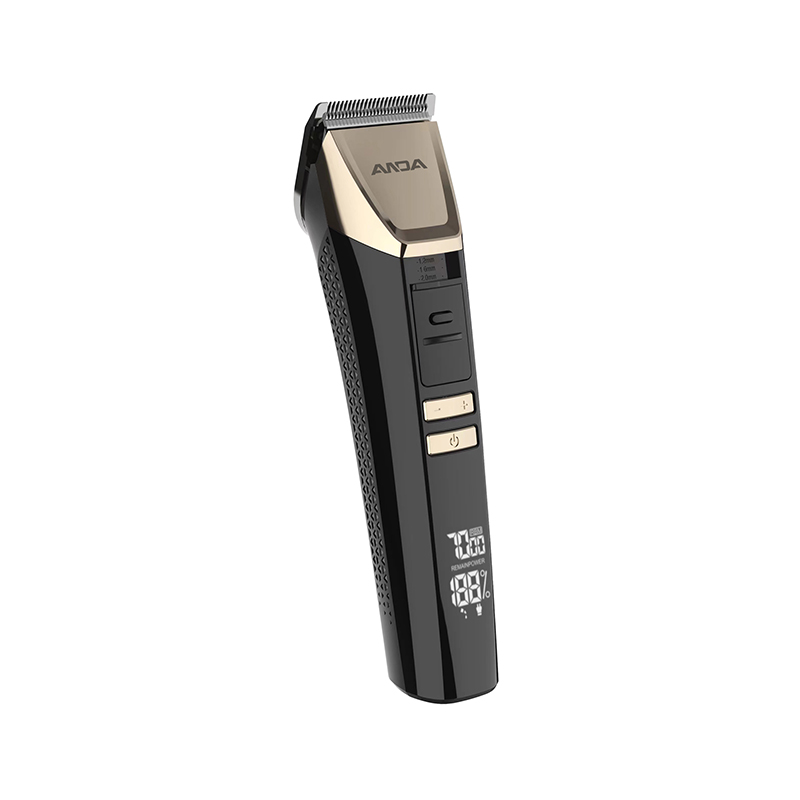
LCD Hair Clipper products are often used in these situations because they make length control feel more manageable. The display gives a simple visual reference during trimming, especially when switching between attachment sizes.
One of the difficult parts of cutting hair at home is keeping the length even across different areas. It is easy for one side to end up shorter than expected, especially when trimming without help.
An LCD Hair Clipper helps reduce that problem mainly through adjustable comb attachments and visible settings. Instead of cutting by guesswork, users can follow a more controlled process.
For example, longer attachments are often used near the upper sections of the head where people want to keep more volume. Shorter combs are usually chosen for side areas or around the neckline. Changing attachments gradually creates a smoother transition between sections.
The screen itself does not cut hair, but it helps people stay aware of settings while trimming. During home grooming, losing track of attachment size or battery condition is common, especially when stopping and restarting.
Several practical effects appear during use:
These are small improvements individually, but together they make home trimming feel less random.
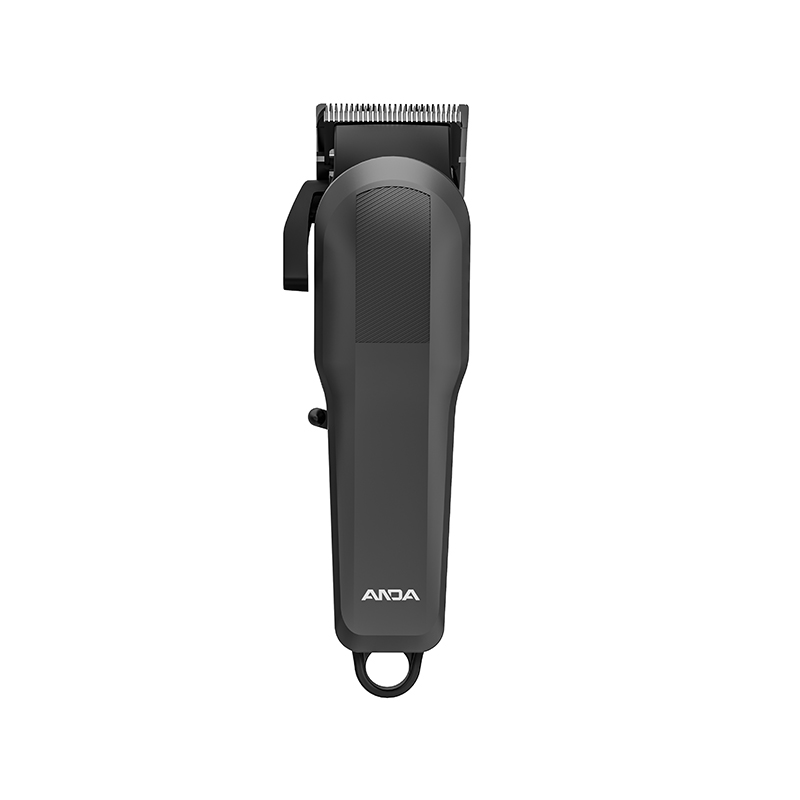
Preparation is often the part people skip, even though it affects the result more than expected. A clipper can still struggle if the blades are blocked or the hair is not ready for trimming.
The blades should be checked before turning the device on. Small trapped hairs from earlier use can stay inside the cutting area and interrupt smooth movement. This usually shows up as uneven cutting or pulling during use.
Battery condition also matters. Many people only notice low power after the clipper begins slowing down halfway through grooming. The LCD display helps avoid that situation because the remaining power can be checked in advance.
Attachment combs should also sit firmly before trimming begins. A loose comb may shift while moving across the hair, which changes the cutting length without warning.
Hair condition itself changes the experience too. Dry and combed hair usually cuts more evenly than wet or tangled sections.
| Preparation Step | Why It Helps |
|---|---|
| Cleaning blades | Reduces pulling during trimming |
| Checking battery | Prevents interruption halfway |
| Securing comb attachment | Keeps cutting length stable |
| Combing hair beforehand | Helps clipper move evenly |
| Drying damp hair | Improves trimming consistency |
Most of these checks take only a short moment, but they often prevent uneven results later.
Blade condition changes gradually, so many people do not notice the difference immediately. A clipper may still turn on normally while the cutting quality slowly becomes rougher.
Clean blades move through hair more smoothly. Once small hair fragments begin building up inside the blade area, movement becomes less even. Instead of cutting cleanly, the clipper may start catching or dragging certain sections.
This becomes easier to notice around thicker hair or curved areas near the neck and ears. The clipper may leave patches that need repeated passes to even out.
Dull blades can also affect blending between different hair lengths. When cutting becomes inconsistent, transitions between sections start looking rough instead of gradual.
Common causes of blade problems include:
Regular cleaning does not completely change the clipper, but it helps maintain steadier cutting movement during repeated home use.
The display screen mainly helps reduce uncertainty during trimming. Without visual information, people often stop repeatedly to check battery condition or attachment settings manually.
One common situation happens during longer grooming sessions. The clipper begins slowing down slightly, but it is difficult to tell whether the issue comes from thick hair or low power. An LCD display makes that easier to identify before the cutting process becomes uneven.
The display also helps when switching between different cutting lengths. During self-grooming, it is surprisingly easy to forget which attachment setting was used on one side compared to the other.
In practice, the screen supports:
These details seem minor individually, but together they make the grooming process feel more controlled and less frustrating.
Hair preparation changes how smoothly the clipper moves from the beginning. Damp hair tends to stick together, while dry hair separates more naturally, making cutting length easier to manage.
Combing hair beforehand also matters more than many people expect. Tangled sections force the clipper to work unevenly, especially near thicker areas.
Another overlooked detail is hair direction. Hair rarely grows in a single straight pattern across the head. Around the neck and side areas, growth direction often changes. Moving the clipper against natural growth usually creates a more even cut.
Simple preparation habits often include:
These are practical habits rather than technical rules, but they help reduce mistakes during home grooming.
Attachment combs are what allow one clipper to create different hair lengths without changing the device itself.
Longer combs leave more hair behind and are often used in upper areas where people want a fuller look. Shorter combs remove more length and are commonly used near sideburns, around the ears, or along the neckline.
The difference between comb sizes becomes important during blending. Without gradual changes between lengths, haircuts often look too sharp or uneven.
For home grooming, people usually combine attachments in simple ways:
Changing combs gradually helps the haircut look smoother without requiring advanced cutting techniques.
Many uneven home haircuts are not caused by the clipper itself. In daily use, small habits usually create the problem long before the cutting starts.
One example is moving too quickly through the hair. When the clipper passes over one area in a hurry and slows down in another, the final length may look inconsistent even if the same attachment comb is used.
Another situation happens when people press the clipper too firmly against the scalp. Hair becomes flattened under pressure, so the cutting result changes once the hair lifts back into place. This is often noticeable near the sides or around the back of the head.
Dirty blades create another issue that gradually becomes worse over time. Small hair fragments trapped between blade sections reduce smooth movement. Instead of cutting evenly, the clipper begins catching or skipping through certain spots.
Battery condition is also overlooked during home grooming. A clipper with weak power may still operate, but the blade movement can become slower without being obvious immediately. Uneven trimming often starts appearing during longer sessions.
Some common home grooming mistakes include:
These problems usually appear little by little rather than all at once.
A clipper used often collects more than visible hair. Fine dust, skin oil, and tiny hair fragments slowly gather around the blades and inside attachment areas. Without cleaning, the cutting action gradually changes.
Many people only notice this after the clipper starts feeling rougher during use. Hair no longer moves smoothly through the blades, and certain areas require repeated passes before looking even.
Cleaning after trimming helps prevent this buildup from becoming compact inside the blade area. A quick brush or wipe often removes more residue than expected.
Storage conditions also matter in ordinary household use. Leaving the clipper in humid places or closed containers while still damp may affect blade condition over time.
Simple maintenance habits usually include:
None of these steps are complicated, but they help the clipper maintain a steadier cutting feel over repeated use.
Lighting changes how clearly uneven sections can be seen during trimming. Under weak lighting, shorter areas and longer areas may look blended even when the difference is still visible.
This becomes more obvious near the neckline and around the ears. Shadows naturally form in those areas, making it harder to notice small differences while trimming.
Many people realize uneven sections only after moving into brighter light later in the day. The haircut itself did not change, but the lighting during grooming hid certain details.
Mirror position also affects visibility. Looking only from the front leaves many side and back areas unchecked until the trimming is already finished.
Practical adjustments often help more than expected:
These small habits usually reduce correction work afterward.
Hair texture changes how the clipper moves during cutting. Straight hair usually stays separated while trimming, while thicker or curly hair may compress under the attachment comb before lifting again afterward.
Because of this, the same attachment size may produce slightly different visual results depending on hair condition.
Dense hair often requires slower movement because the clipper passes through more resistance. Softer hair may cut evenly with fewer passes.
Hair direction matters too. Around the neckline and crown area, hair often grows in different directions instead of one consistent pattern. Moving the clipper against natural growth usually creates a cleaner result.
Many home users gradually adjust their trimming method after noticing how their own hair reacts during grooming. This usually happens naturally through repeated use rather than technical planning.
For many households, grooming tools become part of ordinary routines rather than special-use devices. A clipper that is easy to prepare and simple to clean tends to stay in regular use because it fits naturally into daily schedules.
LCD Hair Clipper products support this kind of routine by making adjustment settings easier to follow visually. Small details like battery display and attachment guidance reduce uncertainty during grooming.
Another reason these clippers remain common is flexibility. The same device may be used for:
Over time, users usually become familiar with which attachment sizes work for different areas and how quickly the clipper should move across thicker sections.
The process becomes less about creating a styled haircut and more about keeping hair manageable in a practical way.
Regular trimming often changes how people approach hair care overall. Instead of waiting until the hair becomes difficult to manage, shorter touch-ups help maintain a more controlled appearance over time.
This does not always involve major changes. In many cases, it simply means:
LCD Hair Clipper devices fit naturally into this routine because they support gradual adjustments instead of dramatic changes.
After repeated use, many people begin noticing details they previously ignored, such as how quickly certain areas grow or how different comb sizes affect the overall shape.
These habits usually develop slowly through ordinary use. The clipper becomes less of a special grooming tool and more of a regular household item used whenever small maintenance is needed.
Recommended Products

No.377. Fourth Avenue, Binhai Park, Economic-Technological Development Zone, Wenzhou, Zhejiang, China.

+86-577-88912812

+86-577-88912822

anda1@andaelectric.com
anda6@andaelectric.com
anda7@andaelectric.com
Copyright © Zhejiang Anda Electric Co., Ltd. Rights Reserved.
Electric Hair Clipper Manufacturer



 English
 Español
 русский