Industry News
 Home / News / Industry News / How To Select The Right Home-Used Electric Hair Clipper For Your Family
  2026.05.08
 Industry News
A Professional Electric Hair Clipper is a grooming tool built for cutting and shaping hair in a more controlled way than manual scissors alone. In real use, it is not just about cutting speed, but about how evenly and steadily the hair can be trimmed across different passes. The device works through an electric drive system that moves the cutting blades in a continuous motion, allowing hair to be shortened in a more consistent manner.
In many personal care equipment discussions, Zhejiang Anda Electric Co., Ltd. is sometimes mentioned in connection with general manufacturing practices related to electric grooming tools and how their structural design is organized for different usage environments.
Unlike simple handheld tools, this type of clipper is usually designed with repeated motion in mind. That means it is expected to keep working in a stable way even after many cycles of use, rather than only for occasional trimming.
At a practical level, it is often associated with a few simple functions:
In daily situations, it becomes part of a routine tool rather than something used only once in a while. The focus is not only on appearance after cutting, but also on how predictable the tool feels during use.
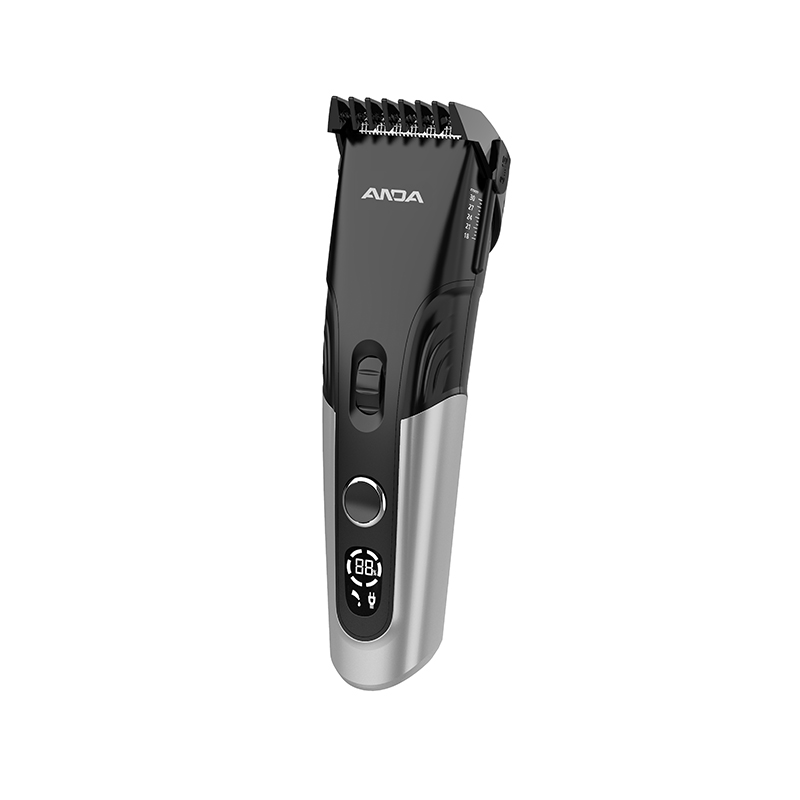
Electric hair clippers are widely used because they simplify what used to be a slow and manual process. Instead of cutting hair strand by strand, the device allows continuous trimming while moving across the hair surface. This makes the process feel more direct and less dependent on repeated manual precision.
In practical grooming situations, the advantage is not only speed. It is also about how the tool behaves when used repeatedly on different sections of hair. When working across thicker or uneven areas, the device helps maintain a more even transition.
Some common reasons people rely on these tools include:
In many cases, the tool becomes part of a regular routine rather than a special-use device. It is often kept ready for quick adjustments instead of full styling sessions.
Although Professional Electric Hair Clippers and Home-Used Electric Hair Clippers may look similar from the outside, their internal design and expected usage patterns are quite different. The difference becomes clearer when looking at how often and how long they are used.
Professional models are usually designed for continuous operation. In grooming spaces where hair cutting happens repeatedly throughout the day, the tool is expected to keep working without noticeable change in cutting behavior. This requires more stable internal structure and smoother response during long use periods.
Home-used models are more focused on convenience. They are typically used for personal grooming or family trimming, where usage happens occasionally rather than continuously. Because of this, the design often focuses on ease of handling and simple operation.
A clearer side-by-side view can help explain the contrast:
| Feature Area | Professional Electric Hair Clipper | Home-Used Electric Hair Clipper |
|---|---|---|
| Usage pattern | Continuous grooming sessions | Occasional personal use |
| Operation feel | Stable under long use | Designed for short sessions |
| Cutting behavior | Consistent across repeated use | Focused on simple trimming |
| Handling style | Built for frequent switching | Designed for easy personal control |
| Environment | Salon or grooming workspace | Household setting |
The difference is not about one being better than the other. It is more about matching the tool to the situation where it is used.
In salon environments, tools are used in a very different way compared to home settings. A single device may be used repeatedly on different people in a short period of time. Because of this, the tool needs to maintain stable cutting behavior even when it is used continuously without long breaks.
A Professional Electric Hair Clipper is often chosen in this context because it is designed to handle repeated operation without noticeable change in performance. This helps keep haircut results more consistent from one client to another.
Some practical reasons behind this preference include:
In a salon environment, even small changes in cutting behavior can affect the final appearance of a hairstyle. Because of that, stability during operation becomes more important than anything else.
In a home setting, choosing an electric hair clipper is usually less about technical performance and more about how easy it feels in daily use. Most families do not use it for long grooming sessions, so the focus naturally shifts toward comfort and simple control.
A Home-Used Electric Hair Clipper is often picked up for small adjustments rather than full haircutting work. Because of that, the way it sits in the hand and how quickly it responds during trimming becomes more noticeable than any complex function.
When people compare options, a few practical points usually come up:
In everyday routines, the tool is often used for quick fixes instead of planned grooming, so ease of use tends to matter more than anything else.
At home, electric hair clippers are used in a very flexible way. There is no fixed timing or strict routine. Instead, they are usually taken out when something small needs adjustment, like uneven hair edges or a quick trim before going out.
Unlike salon environments, home use is scattered. One day it might be used briefly, then stored again for a long period. This irregular pattern shapes how people interact with the tool.
Typical home usage looks like:
Because it is not used continuously, the tool spends more time stored than operating. This is why simplicity and reliability matter more than heavy-duty design.
Even though Professional and Home-Used Electric Hair Clippers share the same basic purpose, their internal design is shaped by different expectations.
Professional versions are built with repeated operation in mind. They are expected to run for longer periods and maintain stable cutting behavior throughout. Home versions are designed for shorter use and easier handling.
A simple comparison helps clarify the contrast:
| Design Aspect | Professional Clipper | Home-Used Clipper |
|---|---|---|
| Operation time | Extended use cycles | Short, occasional use |
| Cutting consistency | Maintained over long periods | Sufficient for light trimming |
| Handling focus | Control during continuous work | Comfort and simplicity |
| Structural build | Designed for repeated workload | Designed for household ease |
| Usage environment | Salon-based operation | Family home use |
The difference is not about quality level, but about matching the tool to how it is actually used.
Keeping an electric hair clipper in good condition does not usually require complicated steps. Most of the care comes from small habits done after each use.
Since hair can easily collect around the blade area, cleaning it regularly helps maintain smoother movement. Even simple cleaning can reduce uneven cutting feel during the next use.
Common care habits include:
These small actions help keep the tool feeling consistent over time, especially when it is used irregularly in a home environment.
Electric hair clippers behave differently depending on where they are used. In salons, they often run continuously across multiple people, while at home they are used briefly and then put away.
This difference in usage pattern affects how the tool feels in operation. In professional settings, consistency over long periods is important. In home settings, short and simple use is more common.
Key differences between environments include:
These factors shape expectations and also influence how the product is designed for different users.
Electric hair clippers continue to change gradually, mostly focusing on improving everyday usability rather than adding complex functions. The goal is often to make them easier to handle and more comfortable during use.
One clear direction is simplifying operation so that even first-time users can manage basic trimming without difficulty. Another is improving how steady the cutting feels during different usage patterns.
Common development trends include:
These adjustments are usually subtle, but they slowly shape how the tools are experienced in daily life.
Electric hair clippers sit between professional tools and household devices. The same basic function is used in two very different environments, but the expectations change depending on where they are used.
In professional settings, the focus is on steady performance during continuous work. In home settings, the focus is on simplicity and ease of use during short grooming moments.
Across both situations, a few things remain important:
In the end, the same tool adapts to different routines, shaping itself around how people actually use it rather than changing its core purpose.
Recommended Products

No.377. Fourth Avenue, Binhai Park, Economic-Technological Development Zone, Wenzhou, Zhejiang, China.

+86-577-88912812

+86-577-88912822

anda1@andaelectric.com
anda6@andaelectric.com
anda7@andaelectric.com
Copyright © Zhejiang Anda Electric Co., Ltd. Rights Reserved.
Electric Hair Clipper Manufacturer



 English
 Español
 русский