Industry News
 2026.10.16
 Industry News
Hair texture and density affect how strands reach the cutting edge. Coarse hair tends to resist the blade, while fine hair bends or lies flat and can slip past it. A clipper that suits one texture may give uneven results on another.
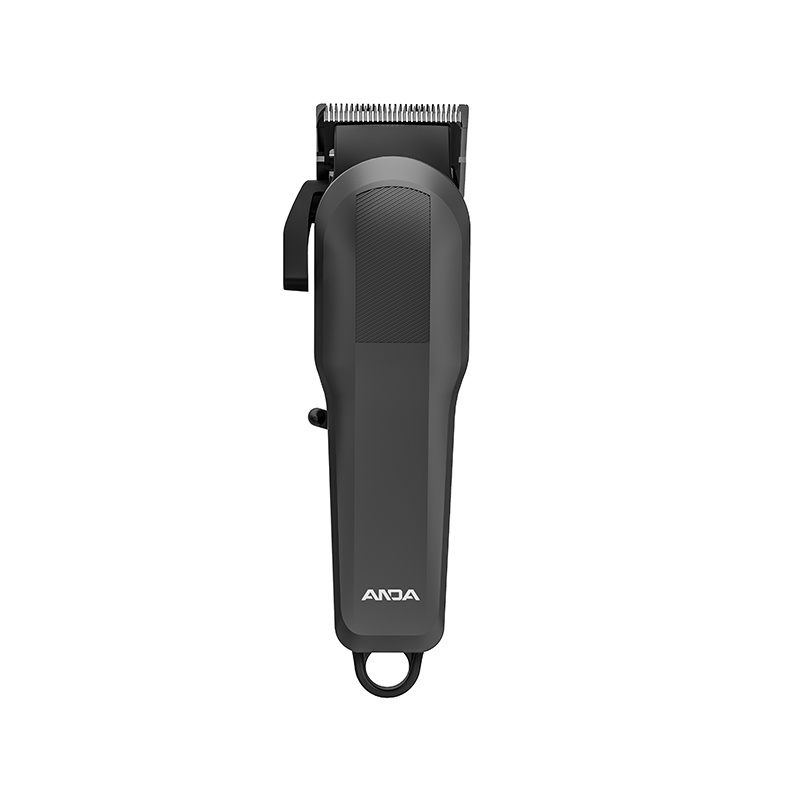
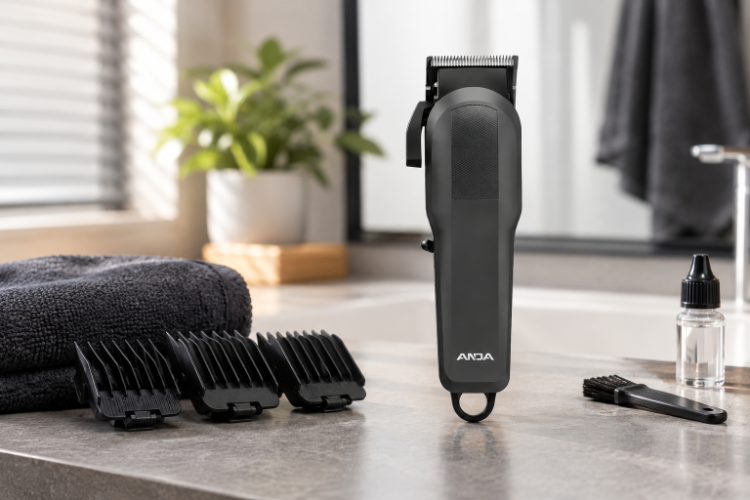
A Hair Cutting Clipper works as a system of blade, motor, and guide comb. Each part responds differently to coarse and fine hair. Matching these parts to the hair type, the intended style, and the user's routine makes the choice more practical.
Coarse hair feels firm and can require a steady cutting action. Fine hair is flexible and may move away from the blade if the clipper is tilted or moved too quickly. Density adds another factor. Many strands packed into a small area place a heavier load on the clipper than sparse growth, even when each strand is thin.
The hairstyle matters as well. A short, even cut calls for different handling from blending longer sections around the sides and back.
| Hair Trait | Clipper Consideration |
|---|---|
| Coarse strands | Steady cutting action, suitable blade design |
| Fine strands | Controlled movement, clear view of the cutting area |
| Dense growth | Ability to handle repeated sections without pulling |
| Soft, flat hair | Guide comb control, careful cutting direction |
| Mixed textures | Flexible handling for different areas of the head |
A dense, coarse section can require several passes. A dull or clogged blade may tug at the scalp. Look for a blade arrangement suited to the cutting task and a motor that keeps a steady rhythm as the amount of hair entering the blade changes.
Comfort matters at the back of the head, where the grip shifts and the angle still needs to stay consistent. A larger or heavier clipper is not automatically better. The choice should reflect how much hair must be removed and how much control the tool gives.
Fine strands can fold or lie flat, so some are missed when the clipper moves quickly or at an uneven angle. Control often matters as much as cutting power. A clipper should guide easily through small sections and give a clear view of the area already trimmed.
Uniform styles show every uneven spot on fine hair. Working in small sections with a suitable guide comb, and using gentle, steady movement instead of pressing into the scalp, improves consistency. The clipper still needs to cut cleanly, since a weak tool can push or fold strands rather than cut them.
The blade meets the hair directly. Its shape, spacing, material, and finish affect how strands enter the cutting area. A blade made for general length reduction handles differently from one made for edging or close work.
| Blade Factor | Why It Matters |
|---|---|
| Edge condition | Keeps cutting smooth |
| Shape | Influences how hair enters the blade |
| Surface finish | Affects cleaning and care |
| Alignment | Supports consistent contact between cutting parts |
| Intended use | Separates general cutting from detail work |
Material alone does not decide the outcome. Geometry, manufacturing quality, maintenance, and fit with the clipper all contribute.
The motor drives the blade. When the blade meets a thick section, the load changes, and a motor that holds steady movement helps the clipper cut consistently. Greater power does not guarantee a better cut, since a dull blade or awkward handling can cancel its benefit.
Noise, vibration, and heat influence comfort during a full haircut. Judge the motor as part of the complete tool, together with balance and grip.
The motor supplies movement and the blade does the cutting. If the blade does not suit the hair, motor strength cannot correct it. If the motor struggles under normal load, even a well-made blade will feel rough. With mixed textures, such as coarse sides and finer hair on the crown, look for manageable cutting action and enough control to adjust technique between areas.
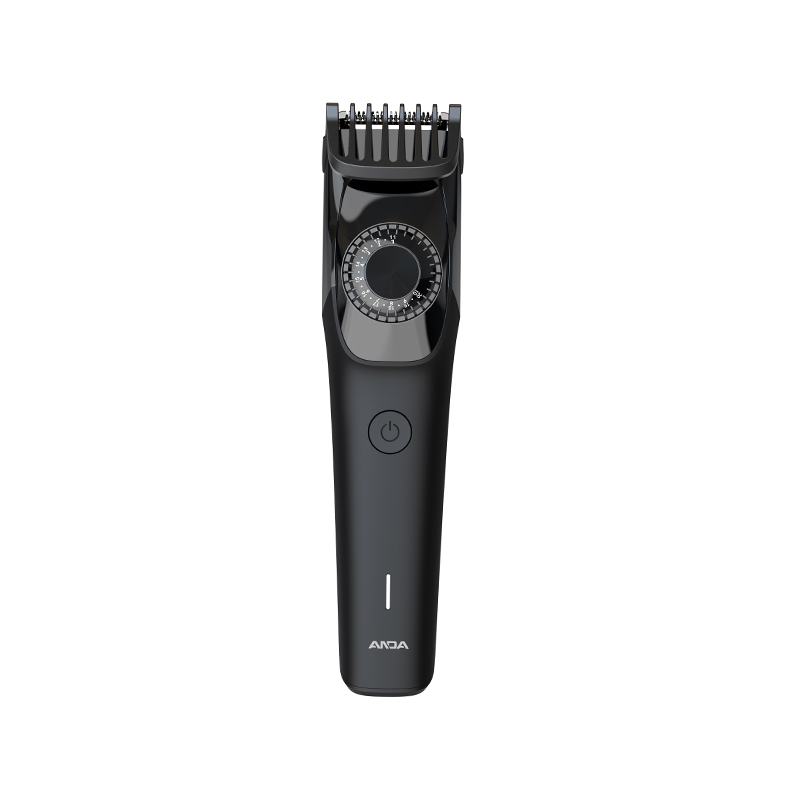
A guide comb holds a set distance between the blade and the scalp, which keeps length consistent. It supports general length reduction, gradual blending, and trimming around the curved sides and back. Home users also rely on it to avoid depending only on hand position.
Texture changes the visual result. Fine hair lies flat and can look shorter than expected, while coarse hair stands away from the scalp. Confirm that the comb is securely attached and compatible with the clipper. A comb does not replace technique, so follow the shape of the head, keep an even pace, and check the result from several angles.
Home users generally want simple handling, clear length control, and easy cleaning for routine short styles. Barbers work through the day on many textures and need dependable operation, versatile cutting options, and parts that can be serviced.
| User Type | Common Priorities |
|---|---|
| Home user | Simple handling, length control, easy cleaning |
| Professional barber | Consistent operation, versatility, serviceability |
| Family grooming | Adaptable guide combs, manageable handling |
| Detail-focused stylist | Control around edges and small sections |
| Frequent user | Comfortable grip, practical maintenance |
The difference is not simply strength. A home user with coarse hair needs sound cutting performance, while a barber working with fine hair may value precision and visibility. Extra features can add complexity for someone who only trims occasionally.
A dirty or damaged blade gives uneven results even on a well-chosen clipper. Brush away loose hair after use, clean the blade following the manufacturer's instructions, and apply lubricant where required. Inspect blades and combs before cutting. Store the clipper in a dry place and avoid drops, which can disturb alignment or chip the edge. Coarse hair leaves more debris, so frequent users should clean more often.
Before buying, work through these points:
A Hair Cutting Clipper should be chosen as a complete cutting system. Blade, motor, guide comb, and care routine all shape the outcome, while hair texture and technique determine how each feature performs in practice.

No.377. Fourth Avenue, Binhai Park, Economic-Technological Development Zone, Wenzhou, Zhejiang, China.

+86-577-88912812

+86-577-88912822

anda1@andaelectric.com
anda6@andaelectric.com
anda7@andaelectric.com
Copyright © Zhejiang Anda Electric Co., Ltd. Rights Reserved.
Electric Hair Clipper Manufacturer



 English
 Español
 русский