Industry News
 2026.07.31
 Industry News
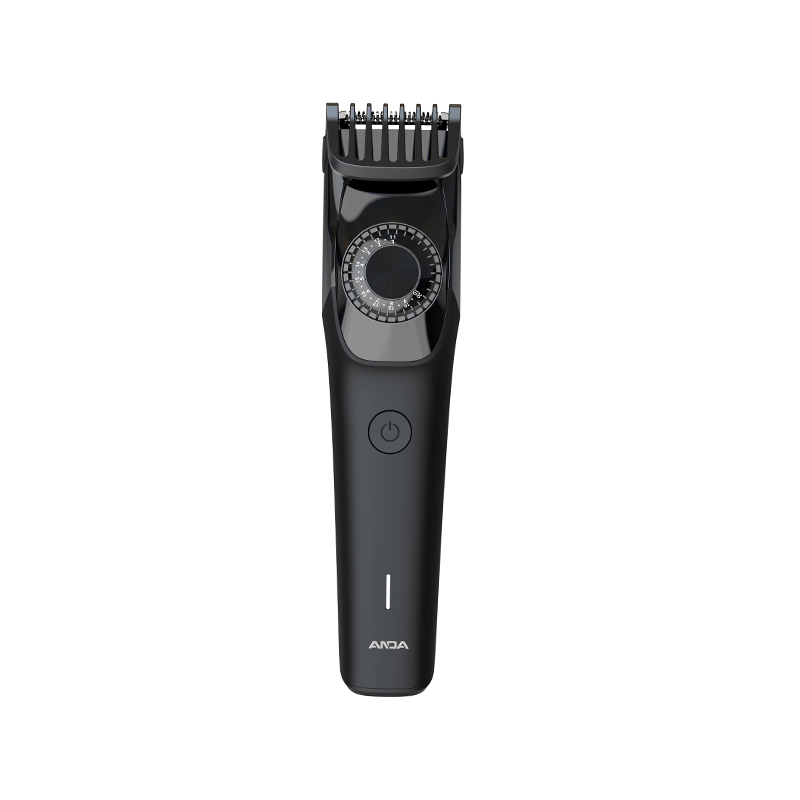
Cutting hair at home saves trips to the barber and gives people control over their own look. The clipper itself sits at the center of that experience. The choice between a cordless or corded model changes how the clipping session flows from start to finish.
A cordless clipper runs on battery power and goes wherever the user wants. A corded clipper plugs into the wall and stays near the socket. Each approach brings advantages and limitations. The right choice depends on how often the clipper gets used, where cutting happens, and what the user expects from the tool.
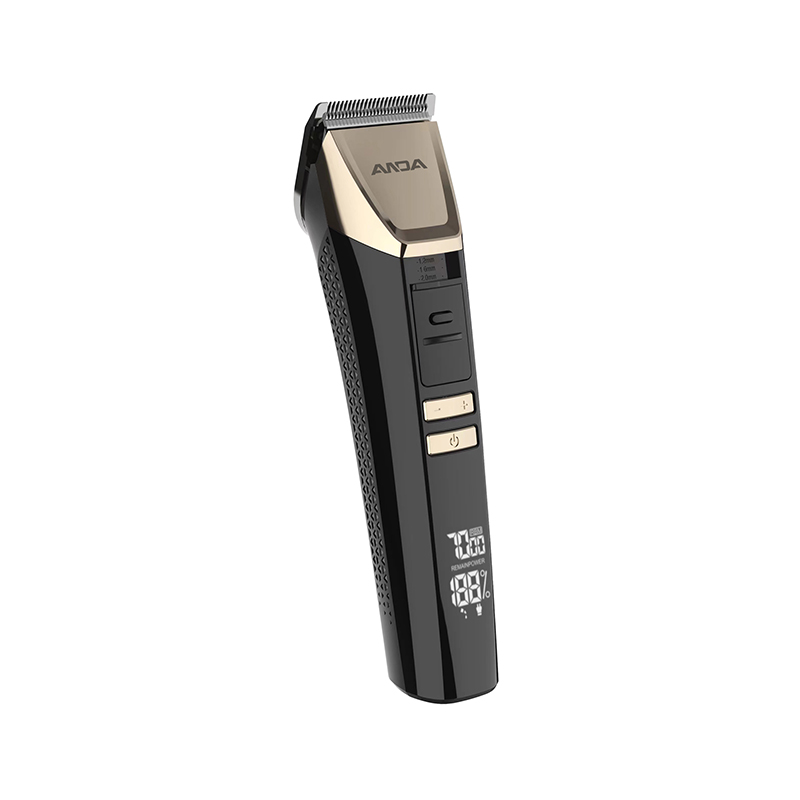
The decision often comes down to three factors: battery life and runtime, power consistency and cutting stability, and the overall feel of the tool in the hand. Understanding these differences makes it easier to choose a Home Use Hair Clippers that fits the user's routine.
Cordless clippers rely on a battery that gets charged and then used until it runs down. The runtime varies across models. Some run for a few hours on a full charge. Others need to be charged after cutting one or two heads.
The charging time matters as much as the runtime. A clipper that takes all day to charge and runs for 30 minutes creates frustration. One that charges quickly and runs long fits naturally into a routine.
A low battery during a cut causes problems. The motor slows down, the blades drag, and the cut quality drops. The user either finishes with a poor result or stops mid-cut to wait for the clipper to charge. Keeping track of battery level becomes part of the process.
A few points about cordless clipper runtime and charging:
A corded clipper runs off mains power through a cord. As long as the power stays on, the clipper runs. No charging, no battery level to watch, no drop in speed as power runs down.
Battery degradation never becomes an issue. A corded clipper from ten years ago runs exactly as it did when new. The same clipper will run in ten more years. The simplicity of corded power means less to break and fewer parts to replace over time.
Cordless clippers shine where mobility matters. A person can cut their own hair in a bathroom with no nearby socket. The clipper goes anywhere in the house without the need for an extension cord.
For someone who travels or lives in a space with limited sockets, cordless offers real convenience. The clipper can be stored away and pulled out when needed without worrying about where to plug it in.
An Electric Hair Clippers Set with cordless clippers gives users the freedom to cut hair in any room. No cables to trip over, no reaching across the room for an outlet, no planning the cut around the location of the nearest socket.
The feel of the clipper during a cut comes from the motor and how it delivers power. Corded clippers typically have stronger motors that maintain speed even when cutting through thick or coarse hair.
Cordless clippers can match corded performance, but the motor draws power from the battery. As the battery drains, the motor may slow down. The difference shows up when cutting through heavy hair at the end of a session.
| Factor | Cordless Clippers | Corded Clippers |
|---|---|---|
| Runtime | Limited by battery | Unlimited |
| Power consistency | May drop as battery drains | Steady throughout |
| Portability | Can be used anywhere | Limited by cord length |
| Battery aging | Performance declines over time | No aging effect |
| Weight | Lighter, no cable drag | Heavier, cord drag |
| Motor strength | Good but varies by model | Typically stronger |
Consistency matters for an even cut. A clipper that slows down in the middle of a pass leaves uneven results. The user must compensate for the changing speed by adjusting the pressure or making extra passes. A consistent motor makes the job simpler and the result cleaner.
The way a clipper sits in the hand influences how long a person can use it without fatigue. A heavy clipper strains the wrist and forearm during a long session. A lighter one reduces that strain, but weight alone does not tell the whole story.
Balance matters too. A clipper that feels top-heavy or shifts during use requires more effort to control. A well-balanced tool stays steady in the hand and lets the user focus on the cut rather than on holding the clipper steady.
The cord itself contributes to the ergonomic experience. A cord that drags across the counter or catches on the arm pulls the clipper off course. The user works against that drag throughout the session. Some people adapt to the pull without noticing it. Others find it distracting enough to prefer a cordless model.
A few ergonomic considerations worth thinking about:
A corded clipper has fewer components that wear out. The motor runs on mains power, and the blades can be replaced when they dull. No battery to degrade, no charging circuit to fail. The mechanical simplicity often means a longer usable life.
Cordless clippers face a different reality. The battery ages with use and eventually needs replacement. Some models make battery replacement straightforward. Others require sending the clipper to a service center or buying a new unit altogether.
A Home Use Hair Clippers investment should last for years of occasional use. A corded model tends to meet that expectation more consistently. A cordless model may serve well for a few years before the battery capacity drops noticeably.
The choice between the two depends on how long the user expects to keep the clipper and how much they are willing to replace or repair.
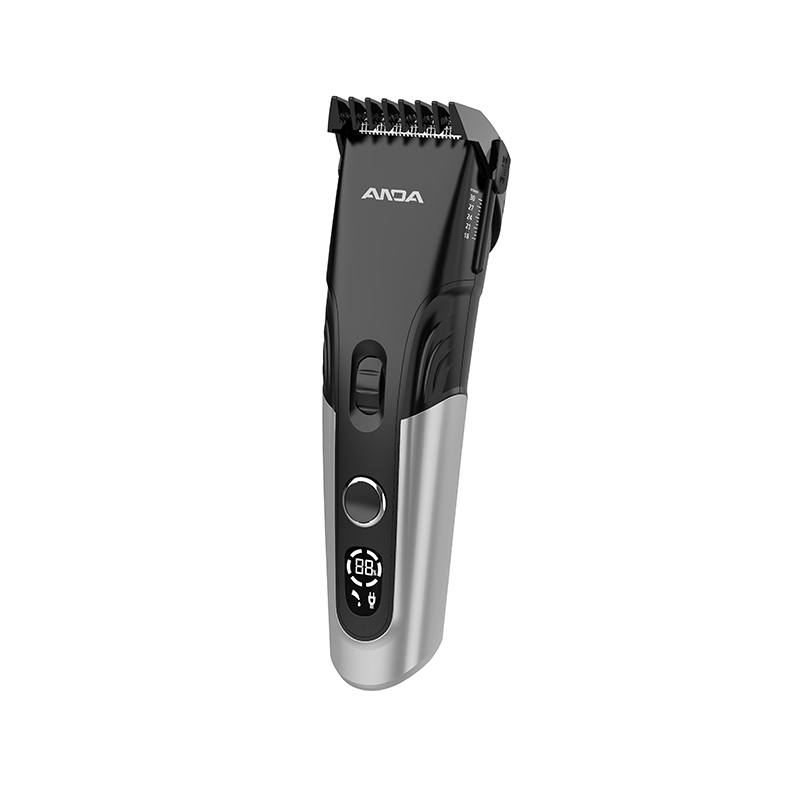
Cordless clippers need to be charged before use. The user must remember to plug them in after each session or risk finding a dead battery when they need to cut hair. A charging station or dock can simplify the routine.
Corded clippers are always ready. No charging, no checking battery level, no waiting for power to build up. The user plugs in and starts cutting.
Cleaning and blade maintenance work the same for both types. The blades need regular oiling and occasional adjustment. The body needs wiping down after each use to remove hair clippings.
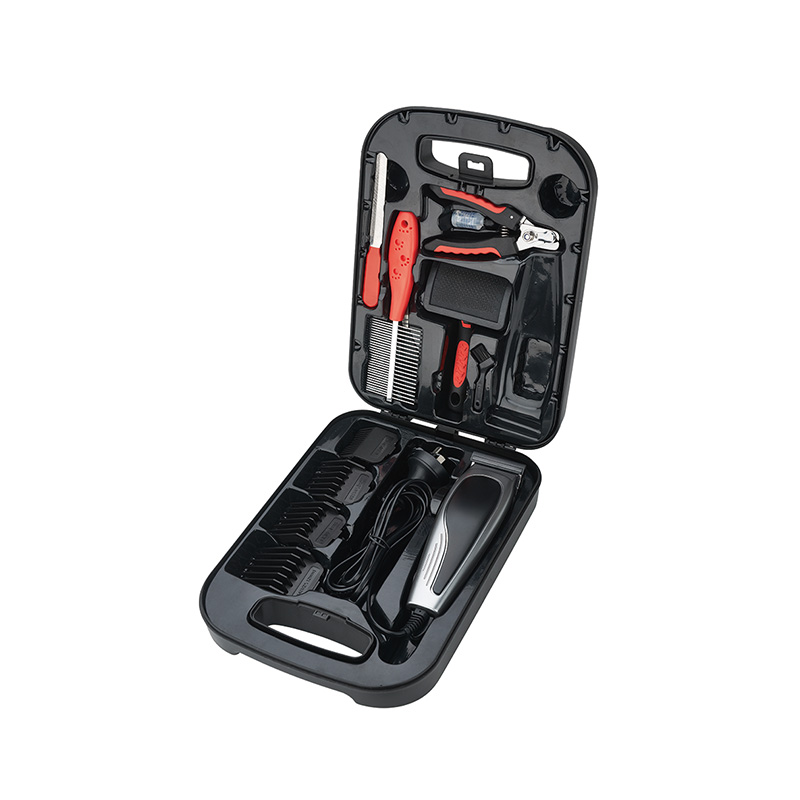
An Electric Hair Clippers Set often includes accessories that make maintenance easier. Cleaning brushes, blade oil, and guide combs all come in the package. The quality of those accessories varies between sets.
Some clippers offer both cordless and corded operation. The user can run the clipper off battery power when moving around and plug it in when the battery runs low. The flexibility covers the strengths of both approaches.
The hybrid design also extends the useful life of the clipper. When the battery eventually wears out, the clipper can still be used while plugged in. The user does not need to replace the whole unit.
Start by considering how often the clipper will be used. Occasional users who cut hair every few weeks may prefer the convenience of cordless. Frequent users who cut hair every week or more often may favor the reliability of corded power.
Consider where the cutting happens. A well-lit bathroom with a nearby socket works well for corded clippers. A space with limited outlets or a preference for cutting in different rooms points toward cordless.
Think about future needs. A person who expects to keep the same clipper for many years may value the longer service life of a corded model. Someone who tends to upgrade frequently may prefer the convenience of cordless.
A few practical questions to ask before buying:
The right clipper fits the user's routine and the space where cutting happens. A careful look at usage patterns reveals which approach makes more sense. The choice between cordless and corded power is not about one being better. It is about which one better serves the way someone actually cuts hair at home.

No.377. Fourth Avenue, Binhai Park, Economic-Technological Development Zone, Wenzhou, Zhejiang, China.

+86-577-88912812

+86-577-88912822

anda1@andaelectric.com
anda6@andaelectric.com
anda7@andaelectric.com
Copyright © Zhejiang Anda Electric Co., Ltd. Rights Reserved.
Electric Hair Clipper Manufacturer



 English
 Español
 русский