Industry News
 Home / News / Industry News / What Should Be Noted When Using Rechargeable Body Hair Trimmer On Different Areas
  2026.06.16
 Industry News
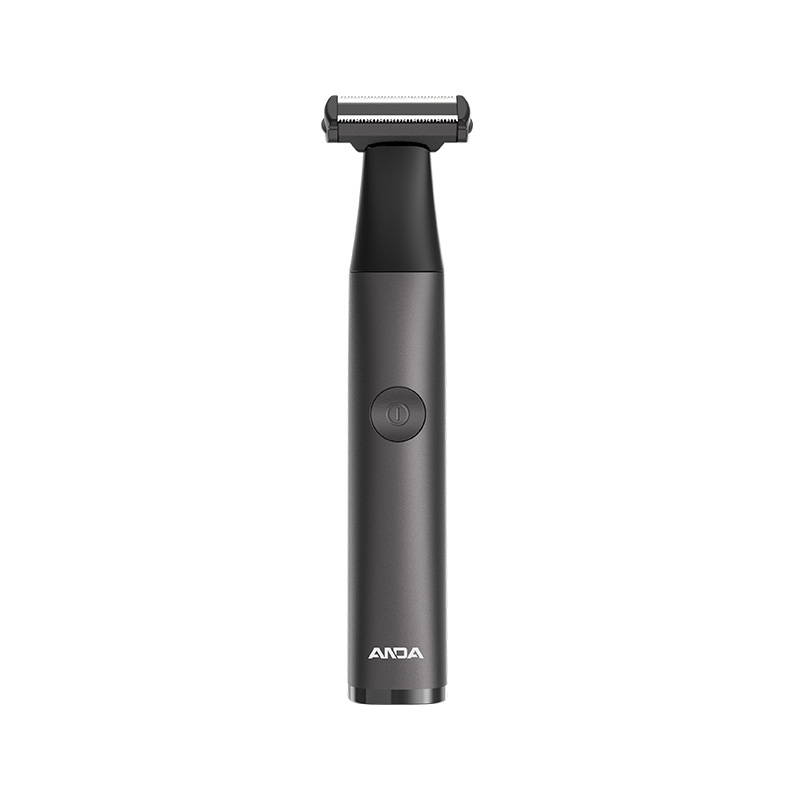
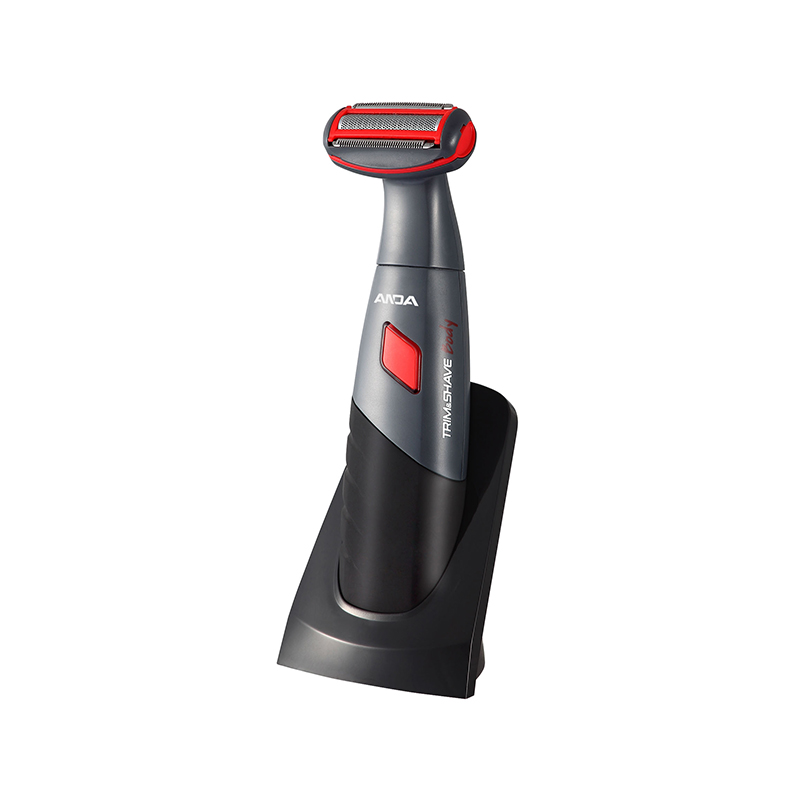
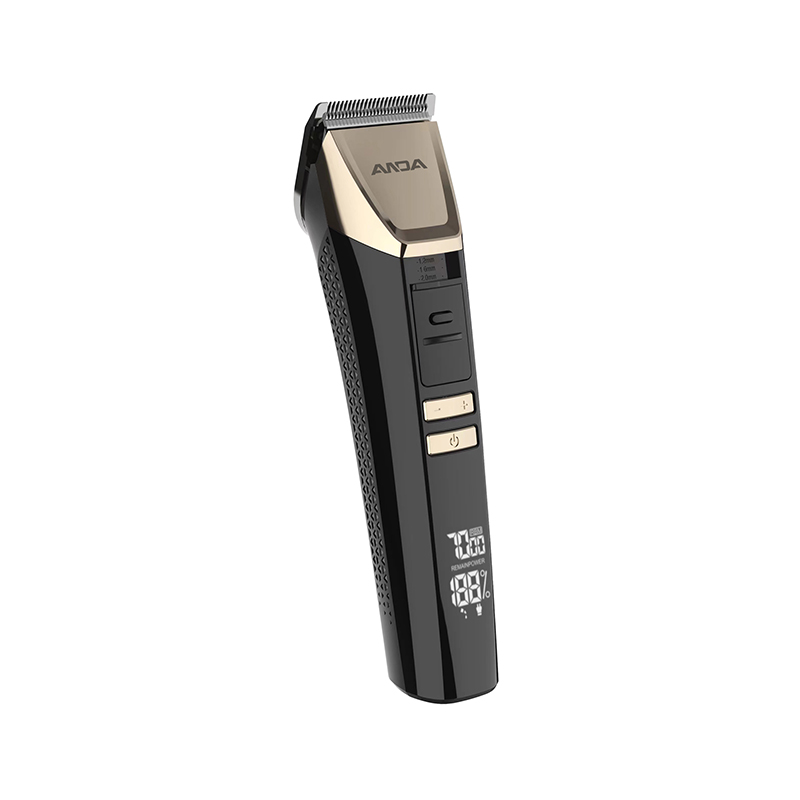
The human body has varied skin types across different areas. Skin on the face differs from skin on the legs. Skin on the underarms differs from skin on the chest. A Rechargeable Body Hair Trimmer works on all these areas, but the approach changes with each location.
Hair thickness and density vary across the body. Coarse hair on the chest requires more passes than fine hair on the arms. Dense hair on the legs takes more time than sparse hair on the stomach. The same trimmer setting does not work equally well for every area.
Skin sensitivity also varies. The underarm area has thin skin with many nerve endings. A gentle approach works better there. The legs have thicker skin and tolerate more pressure. The neck and face have sensitive skin that reacts to friction.
| Body Area | Skin Type | Hair Characteristics | Trimming Approach |
|---|---|---|---|
| Underarms | Thin, sensitive | Coarse, dense | Gentle pressure, short strokes |
| Legs | Thicker | Fine to medium | Longer strokes, more pressure |
| Chest | Medium | Coarse, variable | Medium pressure, with guide comb |
| Face | Thin, sensitive | Fine, light | Very gentle, short strokes |
| Neck | Thin, mobile | Fine to medium | Light pressure, stretched skin |
| Groin | Very sensitive | Coarse, dense | Slow, careful, with guard |
A person using a Rechargeable Body Hair Trimmer on multiple areas changes the approach for each location. The same trimmer works, but the technique adapts to the body part being trimmed.
Skin preparation starts before the trimmer touches the body. Clean skin works better than oily or dirty skin. A shower before trimming softens the hair and opens the pores. The trimmer glides more smoothly over clean skin.
Dry skin needs attention. A person with dry skin benefits from applying a light moisturizer before trimming. The moisturizer reduces friction between the trimmer and the skin. The reduced friction lowers the chance of irritation.
Hair length affects trimming ease. Very long hair tangles in the trimmer blades. A person with long body hair should trim with a longer guard attachment . The longer guard cuts the hair down to a manageable length. A second pass with a shorter guard achieves the desired length.
The trimmer battery level matters. A fully charged Rechargeable Body Hair Trimmer performs better than a nearly empty one. The motor runs at full speed. The blades cut cleanly without pulling hair. A low battery causes the blades to slow down and tug at the hair.
Checking the skin for cuts or irritation before trimming prevents problems. A cut or a rash becomes worse when a trimmer passes over it. The person waits until the skin heals before trimming that area.
Sensitive areas require a different approach. The underarms, the groin, and the neck all fall into this category. The skin in these areas has less protection than skin on the arms or legs.
The trimmer should move in the direction of hair growth. Moving against the grain on sensitive skin causes irritation. The person trims in short strokes rather than long passes. Each stroke stays within the sensitive area and does not go over the same spot repeatedly.
A guard attachment offers protection for sensitive areas. The guard keeps the blades away from the skin surface. The trimmer cuts the hair but does not touch the skin directly. A shorter guard can be used after the person becomes comfortable with the trimmer.
Pressure remains light. Pushing the trimmer into the skin causes the blades to irritate the surface. A light touch allows the blades to cut the hair without pressing against the skin. The person lets the trimmer do the work.
Stretching the skin helps in sensitive areas. A person pulls the skin taut with the free hand. The stretched skin presents a flat surface to the trimmer. The blades do not catch on folds or creases. The risk of nicks decreases significantly.
Checking frequently ensures even trimming without going over the same spot too many times.
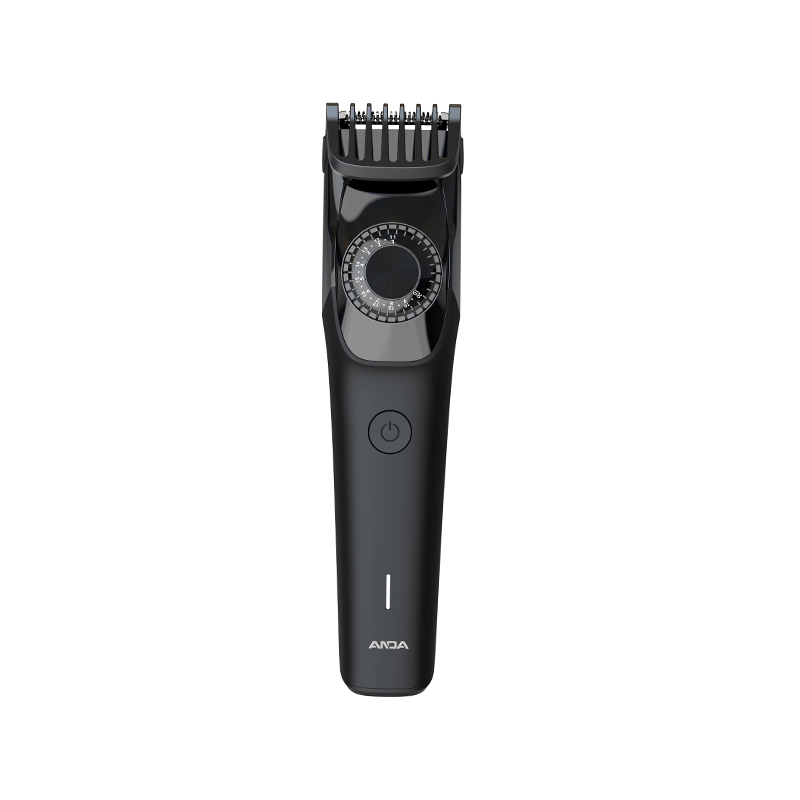
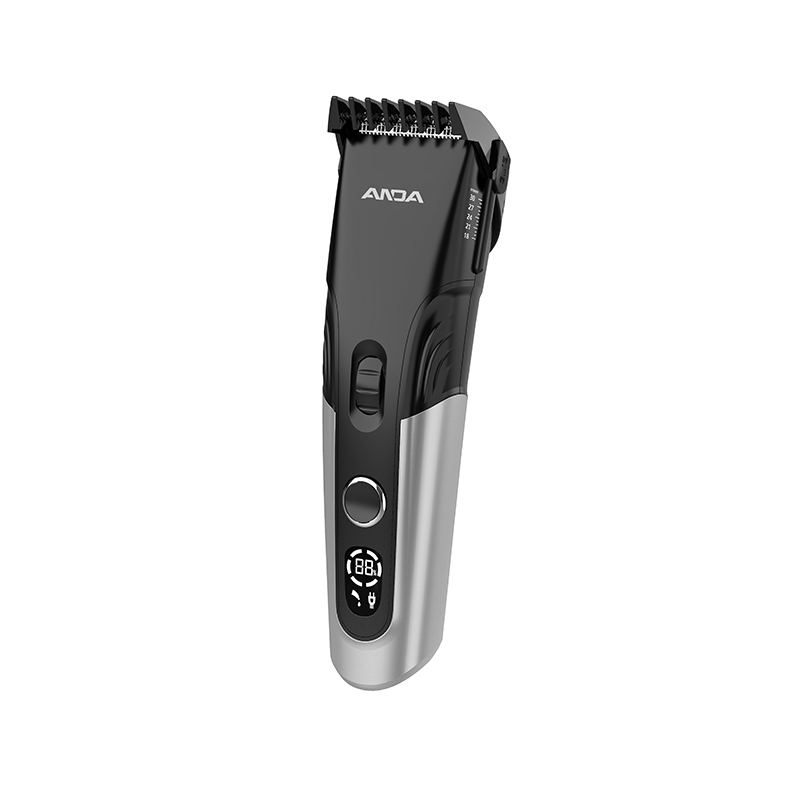
A guide comb attaches to the front of a Rechargeable Body Hair Trimmer. The comb has teeth that sit between the blades and the skin. The teeth hold the blades at a set distance from the skin surface.
The distance determines the hair length left after trimming. A longer comb leaves longer hair. A shorter comb leaves shorter hair. The person chooses the comb based on the desired look for each body area.
The guide comb protects the skin from direct blade contact. The blades never touch the skin surface. The person can move the trimmer without worrying about nicks or cuts. The protection matters many on sensitive areas.
Different combs fit different body areas. A longer comb works for chest and leg hair. A shorter comb works for underarms and neck. A person with a trimmer that comes with multiple combs has the right tool for each area.
The comb also helps with even results. The teeth space the trimmer consistently across the skin. The hair ends up the same length across the trimmed area. A person trimming without a comb produces uneven results with some areas shorter than others.
A person who wants a very close shave removes the guide comb. The blades cut directly against the skin. The risk of nicks increases. The person works slowly and carefully when trimming without a comb.
Not every body area works well with a Rechargeable Body Hair Trimmer. The manufacturer's instructions list areas to avoid. The person reads the instructions before using the trimmer.
The face requires a different tool. A body hair trimmer has blades designed for coarser body hair. The hair on the face has different texture and density. A body hair trimmer pulls or snags facial hair.
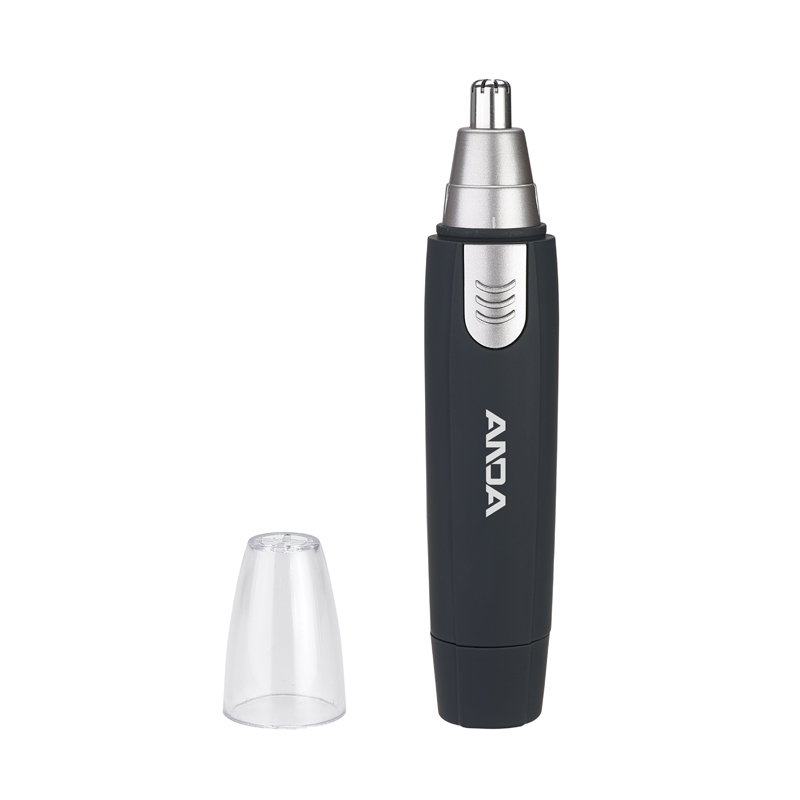
Inside the nose and ears needs a specialized trimmer. The skin inside these areas is very delicate. A body hair trimmer blade causes injury. The small size of a nose hair trimmer keeps the blades away from sensitive tissue.
Open wounds or irritated skin should be avoided. A trimmer passing over a cut or a rash causes more damage. The person waits until the skin heals before trimming that area.
Moles or skin tags present a risk. The trimmer blade can catch on raised skin. The person avoids trimming over these areas. A small patch of untrimmed hair near a mole is better than a cut on the mole.
The person also avoids trimming hair that is wet. Some rechargeable trimmers work on dry hair only. The blades pull wet hair rather than cutting it. A wet trimmer may also cause electrical issues or rust on the blades.
Loose or wrinkled skin presents a challenge for any trimmer. The blades can catch on folds of skin.
Stretching the skin flat works for many areas. A person uses the free hand to pull the skin taut. The stretched skin presents a smooth surface to the trimmer. The blades move across the surface without catching.
The arms and legs have naturally tighter skin. The neck and groin have looser skin. A person trimming the neck tilts the head back. The tilt stretches the skin under the chin. The trimmer moves across a flat surface.
The speed of the trimmer also affects how it handles loose skin. A slower movement allows the blades to cut the hair without pulling the skin. Rushing causes the trimmer to grab at the skin folds. A steady, deliberate pace keeps the trimmer moving smoothly.
The direction of the stroke matters. Trimming with the wrinkles, not across them, keeps the blades from snagging. A person with loose skin on the neck trims downward rather than side to side.
The person also adjusts the pressure. Lighter pressure on loose skin reduces the chance of a catch. The trimmer should barely touch the skin surface. The blades cut the hair without pressing into the skin.
A sharp blade cuts hair cleanly. A dull blade pulls hair. The pulling causes discomfort and irritation. The blade condition directly affects safety across all skin types.
Dull blades also increase the risk of nicks. A sharp blade cuts through the hair and stops at the skin. A dull blade skips across the hair and catches the skin.
The skin type determines how noticeable a dull blade becomes. A dull blade on thick leg skin may cause mild irritation. The same dull blade on sensitive underarm skin causes redness and burning. The person notices the difference immediately.
Battery life affects blade performance. A Rechargeable Body Hair Trimmer with a low battery runs at a slower speed. The blades still move, but they lack the power to cut cleanly. The person charges the trimmer fully before trimming sensitive areas.
Cleaning the blades after each use extends the blade life. Hair and skin oils collect between the blades. The buildup causes friction. The blades heat up during use. The heat irritates the skin.
A person who trims regularly checks the blades for wear. The blades should look even and straight. Any visible nicks or uneven spots mean the blades need replacement. A damaged blade cuts unevenly and pulls at the hair.
The trimmer touches the skin directly. Skin cells, oils, and hair collect on the blades and guard. The buildup harbors bacteria. That bacteria transfers to the skin during the next use.
Cleaning starts immediately after trimming. A person removes the blade and guard from the trimmer. Warm water rinses away hair and debris. The person uses a small brush to remove hair caught between the blades.
Soap helps remove oils from the blades. A mild soap applied to the brush cleans the blade surfaces. The person rinses the soap away with warm water. The blades dry completely before reattaching to the trimmer.
The guard also needs cleaning. Hair collects between the teeth of the guard. A brush removes the visible hair. Soap and water clean the remaining oils. The guard dries before going back on the trimmer.
The trimmer body itself needs wiping. A damp cloth removes skin oils from the handle. The person avoids getting water into the battery compartment. The trimmer stays dry to prevent damage to the electronics.
A clean trimmer performs better and causes less irritation. The blades move freely without resistance. The person trims more quickly and with better results.
Storage affects hygiene and blade life. A trimmer stored improperly collects dust and bacteria. The person develops skin irritation from a dirty trimmer even with regular cleaning.
The trimmer needs a dry storage location. A bathroom cabinet with moisture traps moisture near the trimmer. The moisture encourages bacterial growth on the blades. The person stores the trimmer in a dry area outside the bathroom.
The blade and guard should be detached for storage. The open blades dry completely between uses. A trimmer stored with the blades attached traps moisture between the blades. The moisture causes rust on the blade edges.
A storage case or pouch protects the trimmer from dust. The case keeps the trimmer clean between uses. The person places the trimmer in the case after cleaning and drying. The case closes to keep out dust and debris.
The charging cord should not stay connected during storage. A trimmer left on the charger loses battery capacity over time. The person charges the trimmer before use and disconnects it afterward.
The person also stores the trimmer away from direct sunlight. UV light damages the plastic housing and the blade coating. The trimmer stays in a drawer or a cabinet away from windows.
A person who trims frequently keeps a dedicated storage spot for the trimmer. The spot has the cleaning brush and the charger nearby. The person knows where everything is when it is time to trim.
Blades wear out over time. The cutting edges become rounded. The blades no longer cut hair cleanly. The person notices the trimmer pulling hair instead of cutting it.
The frequency of replacement depends on usage. A person trimming every week replaces blades more often than someone trimming monthly. The manufacturer recommends a replacement schedule based on average usage.
The quality of the cut changes as blades wear. A new blade cuts hair evenly across the whole cutting surface. A worn blade cuts hair in some areas and misses in others. The person must go over the same area multiple times.
Skin irritation increases with worn blades. The dull blades pull at the hair before cutting. The pulling irritates the hair follicle. The skin becomes red and bumpy after trimming.
A person trims different areas with the same trimmer. Worn blades affect all areas equally. The person replaces the blades to maintain consistent performance. The new blades work well on the legs, the underarms, and the chest.
Signs that blades need replacement:
A person who uses a Rechargeable Body Hair Trimmer regularly keeps spare blades on hand. The spare blades go into the storage case with the trimmer. When the old blades start to fail, the new blades are ready to install.
The replacement process is simple. A person removes the old blade assembly from the trimmer. The new blade assembly snaps into place. The trimmer works like new again. The person continues trimming without interruption.

No.377. Fourth Avenue, Binhai Park, Economic-Technological Development Zone, Wenzhou, Zhejiang, China.

+86-577-88912812

+86-577-88912822

anda1@andaelectric.com
anda6@andaelectric.com
anda7@andaelectric.com
Copyright © Zhejiang Anda Electric Co., Ltd. Rights Reserved.
Electric Hair Clipper Manufacturer



 English
 Español
 русский