Industry News
 2026.06.12
 Industry News
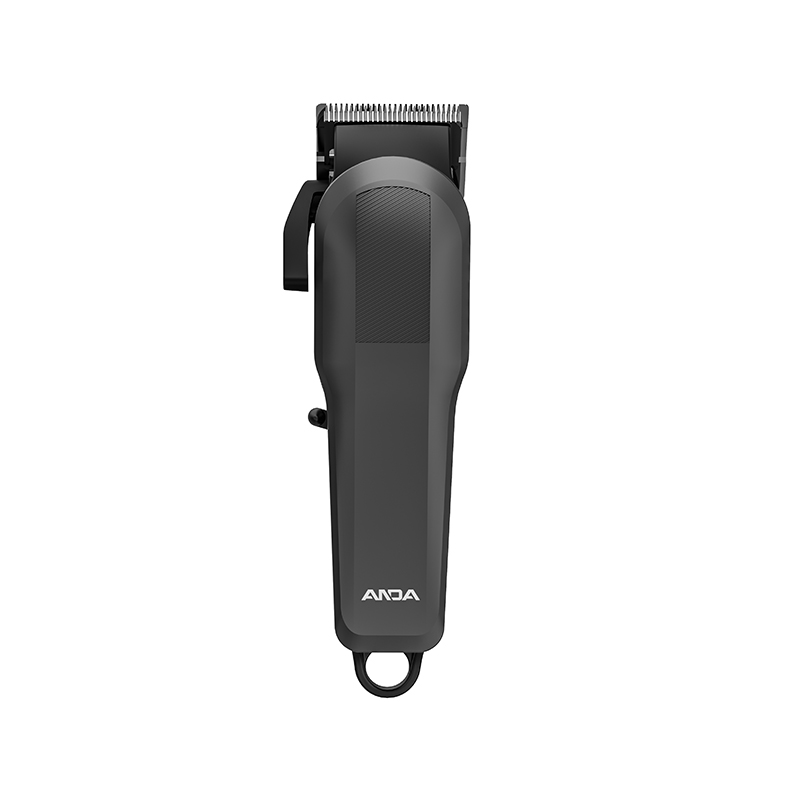
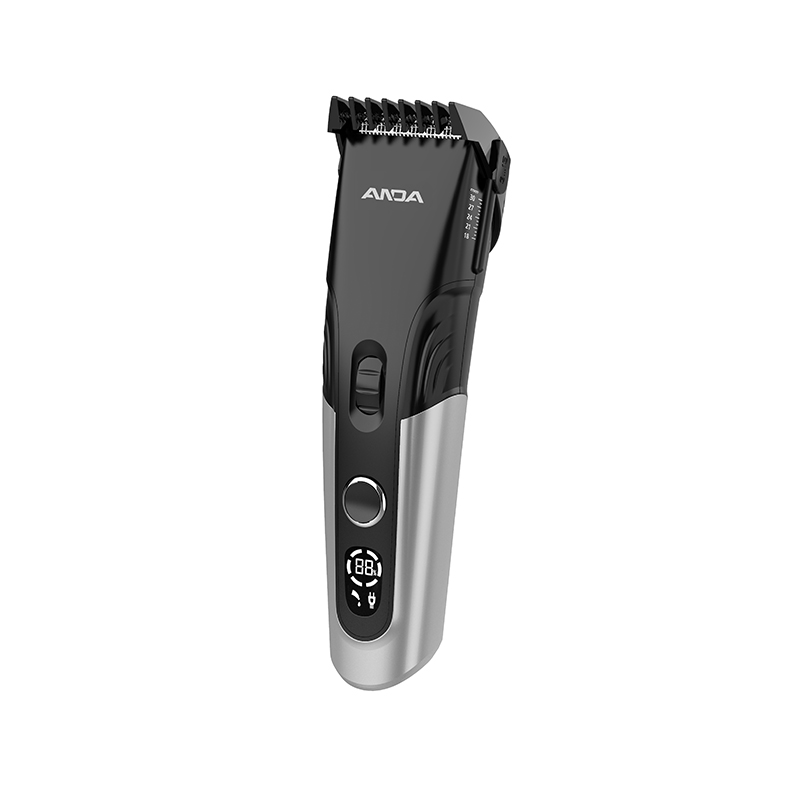
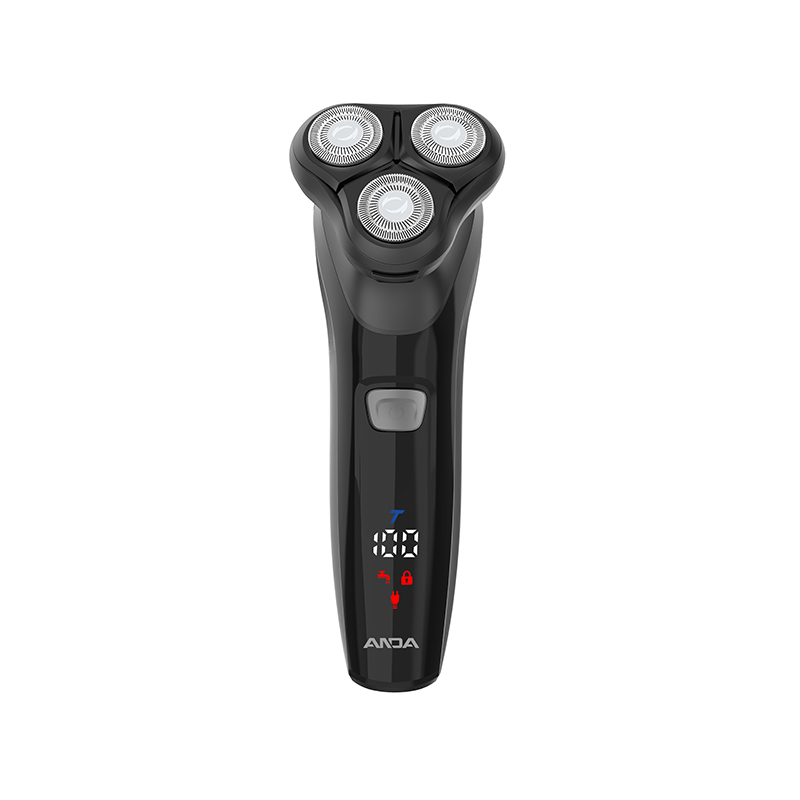
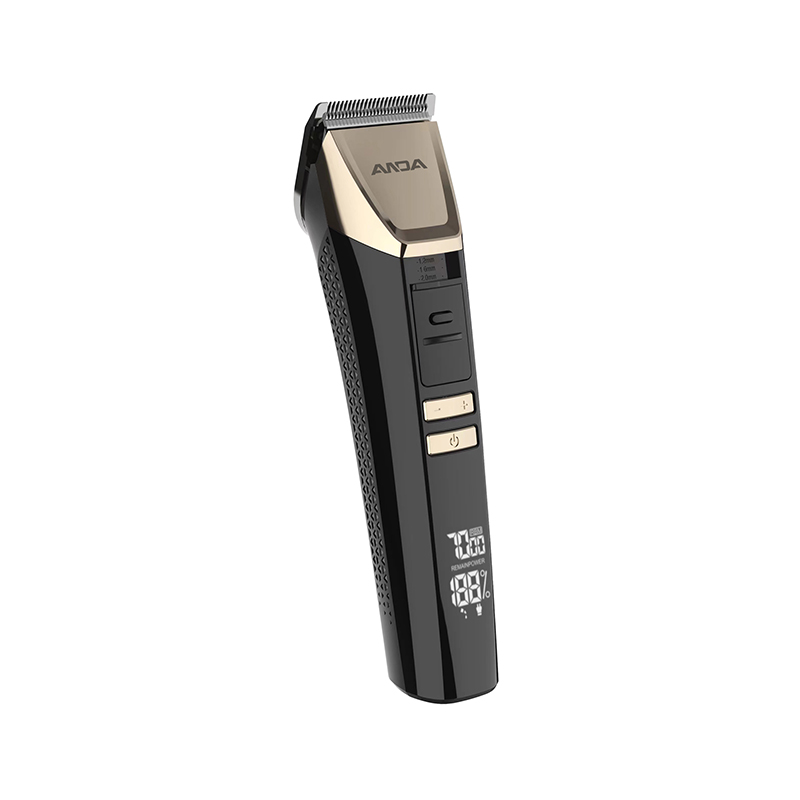
LCD Hair Clipper is a small electric hair cutting tool used in home grooming routines. A simple display sits on the body of the device, showing basic working information during use. In everyday situations, hair trimming at home does not involve complex handling, so the tool design stays focused on clarity and direct control.
Home haircut practice usually happens in a casual setting. Bathroom, bedroom, or small personal space becomes the place where trimming takes place. In such conditions, users tend to rely on tools that show clear status without extra steps. LCD Hair Clipper fits into that habit through its visible feedback and simple structure.
The display is not part of cutting itself. It only supports the process. Still, that small screen changes how users feel during operation, since settings and status become easier to follow while working on different parts of hair.
Inside the device, a small motor drives a set of blades that move back and forth. Hair enters the blade gap and gets trimmed through repeated motion. The structure stays compact, suitable for handling with one hand during self-use or family use.
The LCD screen connects with internal control functions. It shows basic information such as cutting level or working condition. During trimming, users can glance at the screen without stopping the process, which reduces interruption during movement.
A simple operation flow often looks like this:
Cutting performance depends on steady hand movement and even distribution of hair across the blade area.
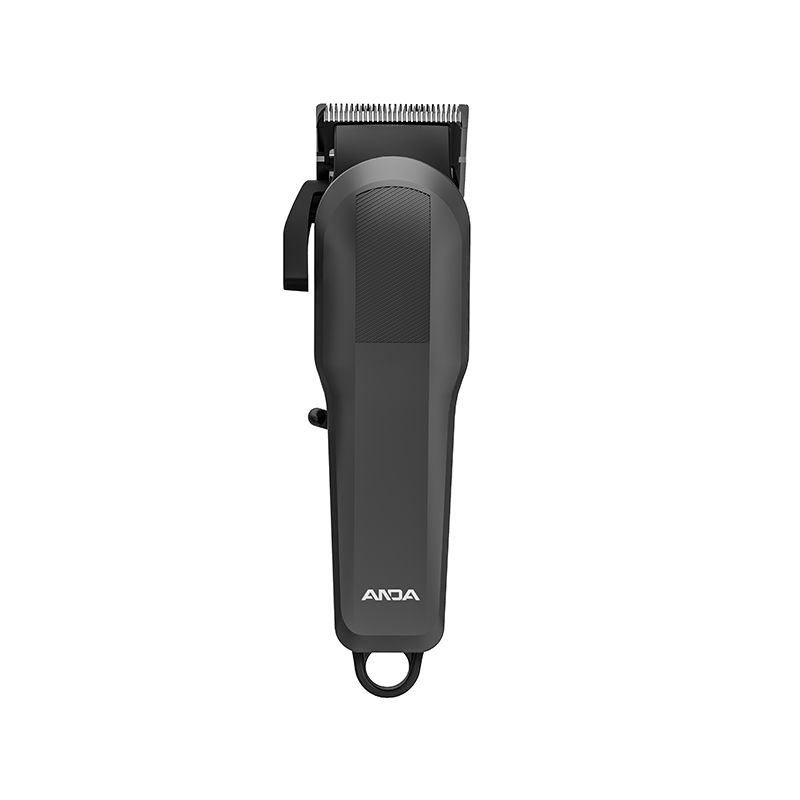
The display works like a small reference point during trimming. Instead of guessing settings, users can check visual information directly. That reduces small mistakes that often happen during home haircutting.
Cutting length is one of the main details shown on the screen. Different parts of hair may need different settings, and visual confirmation helps avoid switching errors.
Another visible function relates to device status. Power level or working mode can be shown in a simple way, giving a sense of how the device behaves during use.
Main display functions include:
Even simple visual signals can make the trimming process feel more controlled in home conditions.
People with little trimming experience often prefer tools that do not require complex learning. LCD Hair Clipper reduces that pressure through clear layout and readable feedback.
Control buttons are usually limited, which makes operation easier to understand. Instead of multiple confusing steps, basic adjustments can be done directly while watching the display change.
Hand movement also feels easier to manage because the device is built for simple grip and steady control. That matters when trimming the back of the head or side areas where visibility is limited.
Common reasons beginners choose this type of tool:
Visual feedback replaces many trial actions that usually happen in early use stages.
Blade movement forms the core of the cutting process. A fixed blade works together with a moving blade, creating a repeated cutting cycle. Hair is guided into the gap and trimmed step by step as the blades move.
If blade alignment stays even, hair passes through smoothly with less pulling. When alignment shifts slightly, resistance may increase and cutting feel becomes less steady.
During longer use, heat may slowly build around blade area due to continuous motion. That can slightly change how hair feels during trimming sessions.
Key points linked with blade behavior:
Blade condition often has a stronger influence on trimming feel than outer appearance of the device.
Most LCD Hair Clipper devices use internal rechargeable power. That allows movement without being attached to a wall source, which suits home grooming habits.
When power output stays steady, blade motion remains even. Hair cutting feels smoother because speed does not change during trimming.
The display also reflects power condition in a simple way. When energy level drops, users can see it before cutting performance becomes uneven.
During longer sessions, power reduction may slowly affect motor strength. That can slightly change cutting consistency, especially when working through thicker sections of hair.
Main power-related aspects:
Power system and blade movement work together during every trimming action.
Hair type changes the way an LCD Hair Clipper behaves in a very direct, almost physical sense, because strands do not enter the blade area in the same way across straight, curly, thick, or fine conditions, so the cutting rhythm naturally shifts even when the device settings stay unchanged.
Straight hair usually moves through the blades with less interruption, almost like a steady feed, which allows trimming to feel more continuous as long as the hand guiding the device does not pause too often.
Curly hair behaves in a less predictable pattern, since bends in the strand can change direction just before reaching the cutting point, and that often means the hand has to correct angle more than once in a single area to keep the result even.
Thicker hair brings another kind of resistance, not only because there is more volume entering the blade gap, but also because the cutting force needed increases slightly, which can be felt in the hand during longer use. Fine hair, on the other hand, moves through more easily, although uneven section control can still affect final appearance if movement is too fast.
A simple way to group the differences:
Maintenance is not something that changes the device instantly, yet it slowly shapes how consistent the cutting experience feels over time, especially when small hair fragments remain inside the blade area after repeated use and begin to interfere with smooth movement.
When cleaning is done right after use, the blade gap stays open and free, allowing hair to pass through without extra friction, which often makes the trimming motion feel lighter even during longer sessions.
Blade contact surfaces also respond to care habits, since repeated motion without cleaning can slightly increase resistance, not in a dramatic way, but enough to change how smooth the cut feels when compared with a freshly cleaned state.
Storage conditions also quietly influence long-term behavior, since a dry resting environment helps keep internal parts stable and reduces gradual wear that may otherwise build up over time.
Maintenance routine usually stays simple:
Hair pulling can happen when resistance increases inside the blade area, often linked to residue buildup or slight loss of smooth contact between blades, and the feeling is usually more noticeable than the visual result at first.
Display reading difficulty sometimes appears in real use conditions, especially under weak lighting or when the screen has smudges, which may cause users to adjust settings without fully confirming the value shown.
Battery fluctuation during longer trimming sessions can also affect consistency, since reduced power may slightly slow blade movement, and that change becomes visible in how evenly hair is cut across different sections.
Typical situations include:
In everyday routines, LCD Hair Clipper is often used in short and repeated grooming moments rather than long haircut sessions, since many users prefer quick adjustments that keep hair shape controlled between longer styling intervals.
| Situation | Typical Action | Device Behavior | Practical Focus |
|---|---|---|---|
| Quick touch-up | Edge and neckline trimming | Short operation bursts | Speed and control |
| Regular upkeep | Side and back adjustment | Medium usage time | Even trimming result |
| Shared household use | Multiple settings changes | Frequent adjustment via LCD | Clear display reading |
| Occasional reshaping | Light overall trimming | Flexible movement | Simple handling |
It is also common for the same device to be shared within a household, where different users adjust cutting length through the display before use, and then carry out trimming based on their own comfort level and hair condition.
Over time, the device becomes part of a small routine that repeats in similar patterns, where trimming does not feel like a complex task, and the combination of blade movement and LCD feedback simply supports the process rather than dominating it.

No.377. Fourth Avenue, Binhai Park, Economic-Technological Development Zone, Wenzhou, Zhejiang, China.

+86-577-88912812

+86-577-88912822

anda1@andaelectric.com
anda6@andaelectric.com
anda7@andaelectric.com
Copyright © Zhejiang Anda Electric Co., Ltd. Rights Reserved.
Electric Hair Clipper Manufacturer



 English
 Español
 русский