Industry News
 2026.06.05
 Industry News
Home grooming often begins with a simple setup, yet the result depends heavily on what happens. Pet fur is rarely uniform. One area may be soft and loose, another tight and dense. Skin sensitivity also shifts across the body. Without preparation, tools such as Rechargeable Pet Clipper and Electric Pet Grooming Clipper tend to feel less controlled in use.
Preparation shapes how movement flows during grooming. A stable environment reduces sudden stops. A calm pet reduces repeated repositioning. Even small adjustments in setup influence how evenly fur is trimmed across different zones like neck, belly, and legs.
In daily situations, lack of preparation usually shows up in practical ways:
Preparation works like alignment. When space, tools, and pet condition align, grooming becomes more predictable.
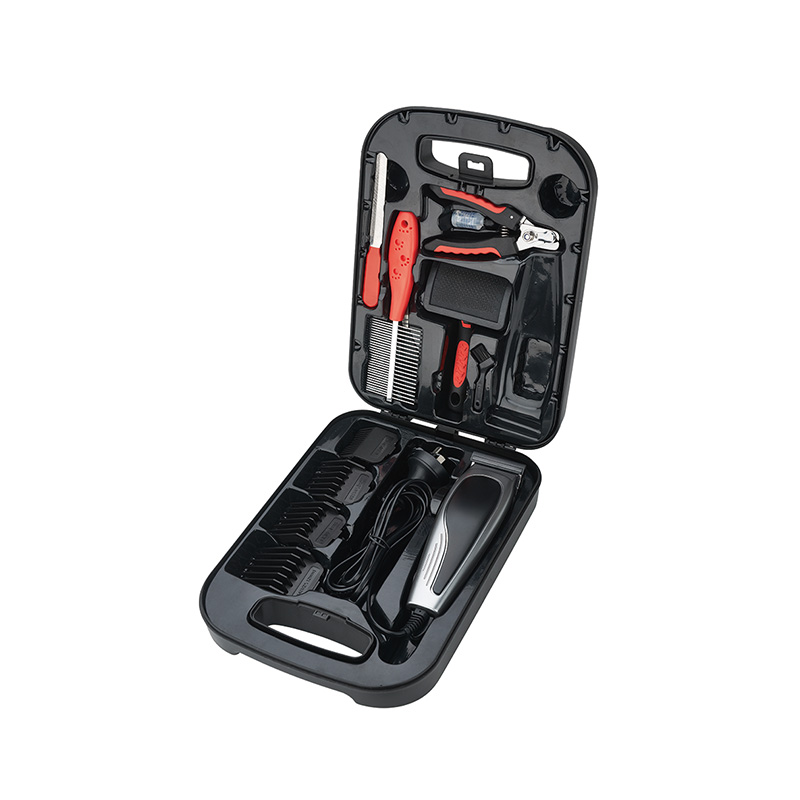
A Pet Grooming Scissors Kit rarely works alone in home settings. Scissors handle shape control, while Rechargeable Pet Clipper manages bulk fur reduction. Electric Pet Grooming Clipper often sits between both roles, covering medium-length trimming.
In real grooming routines, tools follow a natural sequence rather than a fixed rule. Fur condition decides how tools shift between stages.
Common functional division:
A simple practical view:
| Area of Fur | Tool Used | Reason in Daily Use |
|---|---|---|
| Thick body coat | Rechargeable Pet Clipper | faster volume reduction |
| Paw edges | Scissors | better shape control |
| Neck area | Electric Pet Grooming Clipper | balanced trimming speed |
| Tangled spots | Comb + scissors | prevents pulling |
Tool interaction becomes more important than individual performance. A clipper alone cannot handle detail work, while scissors alone cannot handle dense fur efficiently.
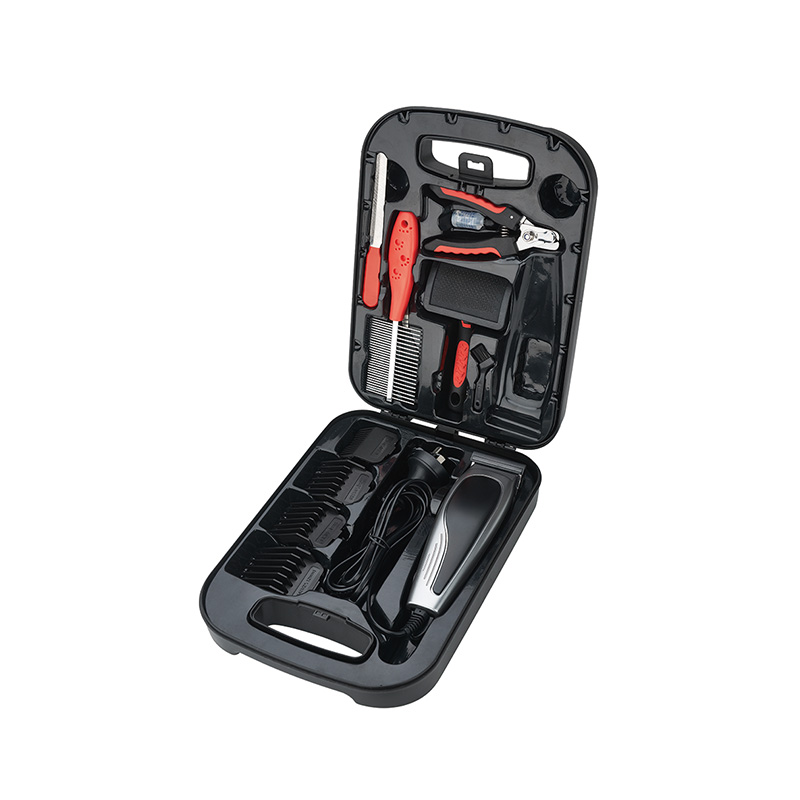
Pet behavior often decides how smooth grooming feels. Some animals stay still after short observation, others react strongly to sound or touch.
Before starting grooming, small behavioral signals appear:
Gradual introduction of tools reduces sudden reaction. Letting the pet stay near the Clipper without activation helps reduce sensitivity. Short exposure sessions before grooming create familiarity.
In practical home environments, behavior is not fixed. Mood changes depending on time of day, surrounding noise, or previous grooming experience.
Grooming space at home often affects results more than tool quality. A narrow or cluttered area reduces hand movement range. Poor lighting hides fur direction, making uneven trimming more likely.
A workable grooming space usually supports three conditions:
Electric Pet Grooming Clipper requires controlled movement across body curves. Limited space forces awkward angles, which leads to inconsistent cutting lines.
Practical setup steps often include:
Even small changes, like adjusting angle of light, can make fur direction easier to see during trimming.
Rechargeable Pet Clipper changes how movement happens during grooming. Without a cable restricting direction, trimming becomes more continuous across body areas.
In real use, several practical effects appear:
Battery level becomes part of planning. A low charge may interrupt grooming flow, especially during dense fur trimming where repeated passes are needed.
Heat build-up also appears during longer use. A short pause between sections helps maintain stable cutting behavior.
Electric Pet Grooming Clipper works by creating consistent blade movement across fur layers. Instead of shaping fur manually like scissors, it removes length evenly across a wider surface.
In daily grooming practice, its role becomes clearer in dense fur zones:
Fur density affects how smooth the cutting feels. Soft fur moves easily under blade contact. Thick fur may require slower passes to maintain even cutting.
Hand stability becomes important. Small shaking movements can show up as uneven trimming lines.
Scissors handle precision work that clippers cannot reach comfortably. Areas around ears, tail edges, and paw tips require more controlled shaping.
In practical grooming flow:
This combination avoids overcutting in sensitive areas. Electric Pet Grooming Clipper handles volume reduction, while scissors correct visual balance.
Real home grooming often shifts between both tools repeatedly rather than following a strict order. Fur condition decides the next tool rather than a fixed plan.
A grooming session often begins with tools already sitting in storage for some time. On the surface everything appears ready. Closer use reveals small issues that affect cutting behavior in real time.
Hair fragments trapped between clipper teeth can change how fur enters the blade. A Rechargeable Pet Clipper under this condition may feel slightly heavier during movement, not because of power change, more due to resistance at the cutting edge. Electric Pet Grooming Clipper shows similar response when blade gaps carry dust or dried residue.
Before grooming starts, simple actions tend to stabilize tool response:
In practical home use, clean tools reduce sudden pulling sensation on fur and make cutting motion more predictable across different body areas.
Home grooming relies on continuous attention rather than fixed rules. Pet movement, hand positioning, and tool contact happen at the same time, which makes small adjustments necessary throughout the process.
Electric Pet Grooming Clipper stays in motion while in use. That steady motion requires careful direction near sensitive areas. Even slight pressure changes can shift cutting depth on thin fur sections such as belly or inner legs.
Practical safety habits often appear naturally during grooming:
Rechargeable Pet Clipper gives freedom of movement, yet that freedom increases reliance on hand control. Stability becomes more important than speed.
Skipping preparation often shows results quickly once trimming begins. Fur that is not detangled tends to move unevenly under blade pressure. Instead of clean cutting, the clipper may pull slightly before cutting through thicker sections.
Common patterns in unprepared grooming include:
Electric Pet Grooming Clipper performs differently depending on fur condition. Smooth fur flows easily under blade contact. Knotted areas interrupt motion, creating inconsistent cutting rhythm.
Rechargeable Pet Clipper also reacts to resistance changes. When fur blocks blade movement, hand pressure increases unconsciously, which may affect control accuracy.
Order of actions during grooming shapes final appearance more than individual tools. Without a sequence, trimming becomes reactive instead of controlled.
A natural flow often appears in practice:
Each step prepares fur for the next stage. Skipping early detangling often shifts workload to later steps, where correction becomes harder.
Fur direction also influences outcome. Cutting against natural growth may leave uneven texture. Following growth direction helps maintain smoother surface alignment across body zones.
Repeated grooming sessions gradually shape how pets respond to tools and environment. Early reactions often include movement, head turning, or stepping away. Over time, familiar sound patterns and handling reduce sensitivity.
Electric Pet Grooming Clipper sound becomes part of background experience when exposure is consistent. Rechargeable Pet Clipper handling also becomes less noticeable once routine builds familiarity.
Changes often observed with steady grooming habits:
Consistency matters more than intensity. Short, regular sessions tend to create smoother adaptation compared with irregular long grooming periods.
Once grooming ends, tool condition influences next use more than expected. Small hair fragments left on blades can harden and affect movement smoothness later.
Basic after-use habits usually support stability:
Electric Pet Grooming Clipper blade condition directly affects cutting feel in future sessions. Clean blades reduce pulling sensation and help maintain smoother trimming flow across different fur types.
Preparation is not a separate step standing before grooming. It connects space, tools, pet behavior, and movement into one working condition.
When preparation is stable:
Rechargeable Pet Clipper and Electric Pet Grooming Clipper both depend on these conditions. Their performance becomes clearer when surrounding elements are arranged in a steady way before grooming begins.

No.377. Fourth Avenue, Binhai Park, Economic-Technological Development Zone, Wenzhou, Zhejiang, China.

+86-577-88912812

+86-577-88912822

anda1@andaelectric.com
anda6@andaelectric.com
anda7@andaelectric.com
Copyright © Zhejiang Anda Electric Co., Ltd. Rights Reserved.
Electric Hair Clipper Manufacturer



 English
 Español
 русский