Industry News
 Home / News / Industry News / Which Situations Make Pet Grooming Scissors Kit More Practical For Daily Pet Care
  2026.06.09
 Industry News
Pet care at home has become more regular in many households. Grooming no longer waits for a appointment or a long session outside. Small trimming tasks now appear in daily routines, often triggered by simple things like uneven fur, dirt buildup, or comfort around sensitive areas.
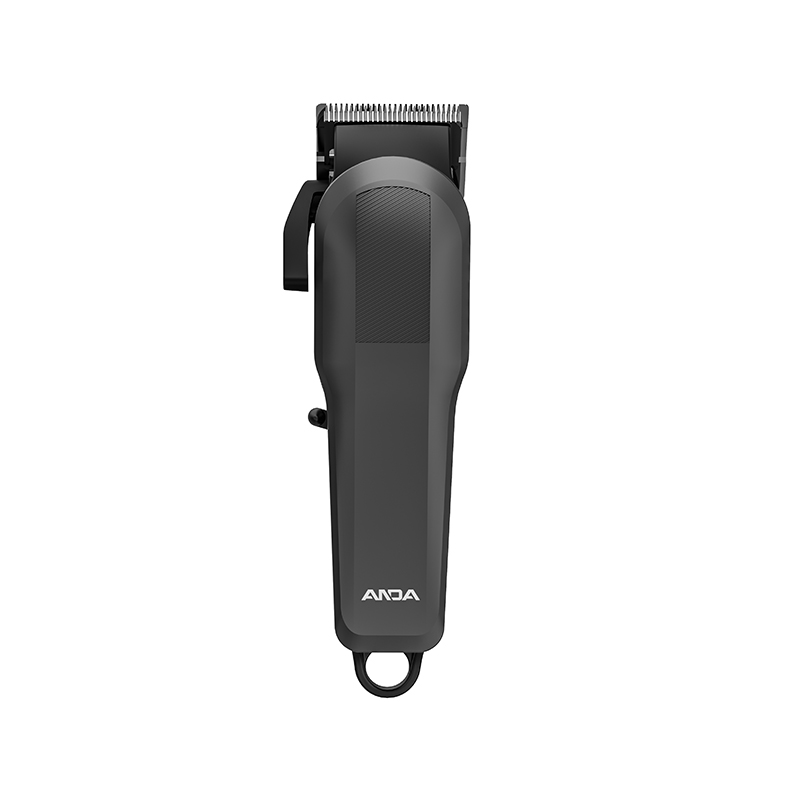
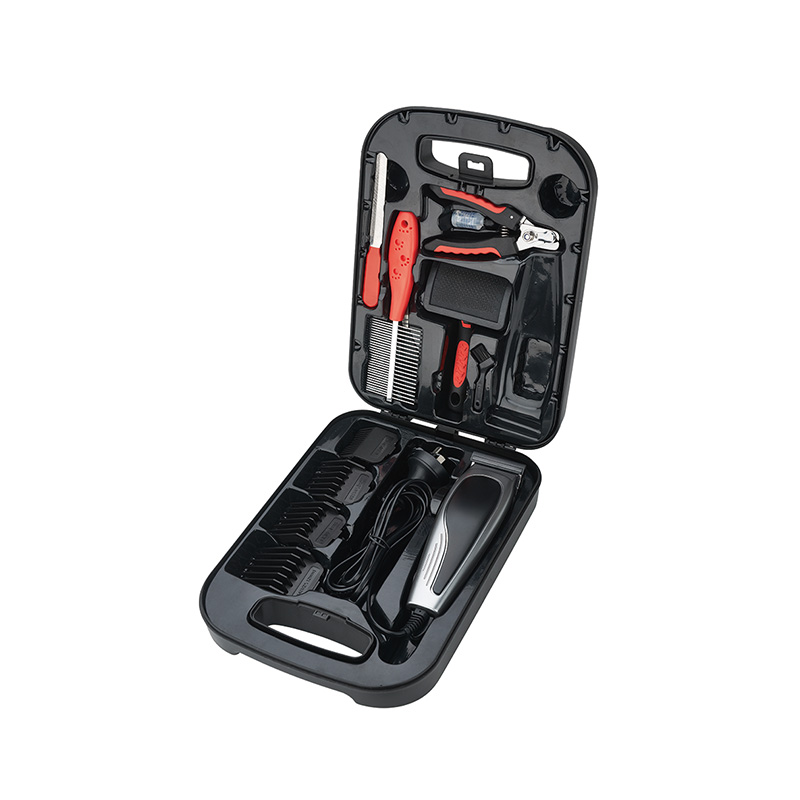
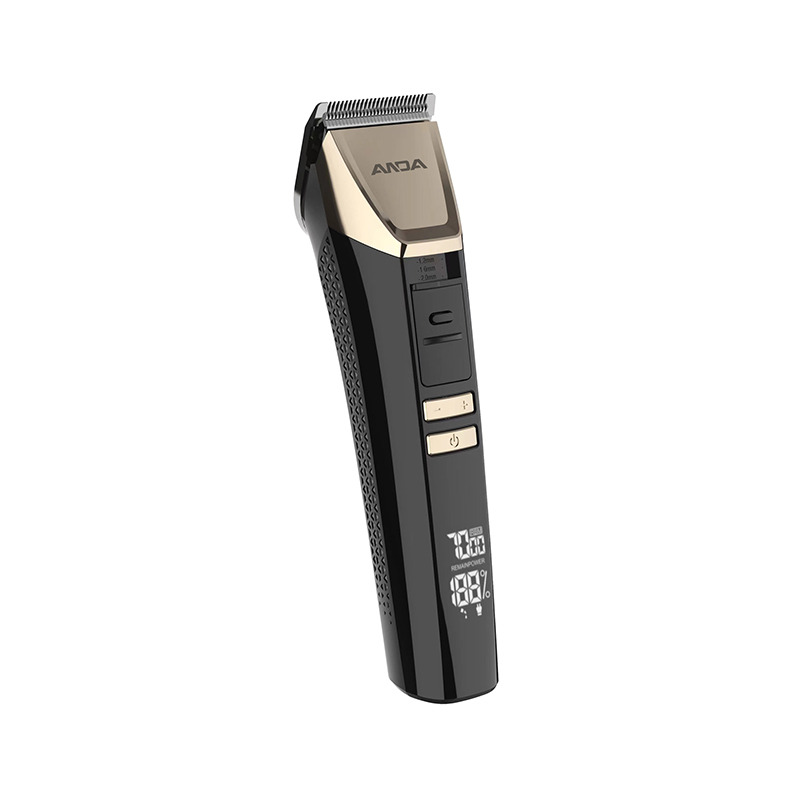
A Pet Grooming Scissors Kit fits into these small moments. It supports close, careful trimming where control matters more than speed. In many cases, a Rechargeable Pet Clipper works to reduce bulk, followed by scissors to adjust shape and detail.
Both tools serve different layers of the same routine. One clears space, the other refines it.
At-home grooming usually starts from small, practical needs. Fur grows in uneven ways, especially around paws, ears, or belly areas. Waiting for a full grooming session outside may not match the timing of these small changes.
A scissors kit becomes useful in those in-between moments. It allows quick correction without turning grooming into a full process.
Common daily situations include:
A Rechargeable Pet Clipper often comes when fur is thicker, then scissors handle finishing touches. That order feels natural in many home routines.
Small areas need patience more than speed. Around the face, paws, and tail, movement is limited and fur direction changes often. Large tools feel less precise in those spaces.
A Pet Grooming Scissors Kit allows slower trimming with more control. Each cut is small, which makes adjustments easier to manage without removing too much at once.
Typical use situations include:
These tasks usually happen during normal interaction at home, not during planned grooming sessions. That makes scissors more practical for quick attention.
A Rechargeable Pet Clipper is often used when fur volume is the main issue. It reduces length faster and prepares the coat for detailed work later.
Without a cord, movement feels easier in different parts of the home. Pets also move during grooming, so flexibility helps maintain steady progress.
| Grooming Step | Scissors Kit Use | Rechargeable Clipper Use |
|---|---|---|
| Bulk reduction | Low | High |
| Detail shaping | High | Low |
| Sensitive areas | High | Medium |
| Fast trimming | Medium | High |
The two tools often appear in the same session, just at different stages.
Many grooming routines naturally combine both tools instead of choosing only one. The clipper handles general length, while scissors refine the final look.
This combination shows up in real daily situations:
Using both tools in sequence often reduces repeated work. It also helps keep coat shape more consistent across different areas.
Pet behavior changes how grooming is done more than many expect. Calm pets allow slower scissors work. Active pets often need quicker trimming.
Some pets react strongly to long grooming sessions, so shorter steps become more practical. Others stay still longer, making detailed trimming easier.
Behavior factors include:
Grooming often adapts to behavior instead of forcing a fixed method.
Home grooming depends heavily on space and conditions. A stable surface helps keep movement controlled, especially during scissors use.
Lighting matters as well. Clear visibility reduces mistakes during small trimming work. Even simple room lighting changes how precise grooming feels.
Noise levels also affect pets. A quiet space usually helps keep them still for longer.
Useful environment conditions:
When the environment stays predictable, grooming becomes easier to manage in small daily moments.
Grooming frequency changes how tools are used more than expected. Regular grooming reduces heavy fur buildup, so scissors become more common for small adjustments.
Less frequent grooming often means clippers are used, then scissors handle shaping.
General pattern:
Seasonal changes also affect this pattern, especially when shedding increases fur volume.
Safety in grooming is mostly about control and attention. Pets may move suddenly, so steady handling becomes important, especially with scissors near sensitive areas.
Watching behavior during grooming helps adjust timing. If a pet becomes restless, short breaks often help more than continuing quickly.
Key safety habits include:
Grooming tools do not stay the same after repeated use. Small fur pieces, skin oils, and dust from daily environments slowly build up on blades and joints. The change is barely noticeable, later the cutting feel may become less steady.
A Pet Grooming Scissors Kit usually depends on clean edges. When residue stays on the blade, cutting can feel slightly uneven, especially during slow trimming near sensitive areas. A simple wipe after use often keeps the motion more predictable.
A Rechargeable Pet Clipper also shifts in performance when not maintained. Hair trapped between blades or inside the cutting head can reduce smooth movement. Charging habits matter as well, since unstable power levels may affect consistent trimming speed.
Basic care often looks like:
Nothing complex, yet these small actions decide how steady grooming feels next time.
Coat condition is shaped more by repetition than single grooming sessions. Small, regular adjustments often prevent heavy buildup that later becomes harder to manage.
Scissors tend to influence shape. When used in small corrections around face, paws, or uneven spots, coat appearance stays more balanced. The effect is subtle, only becoming clear after time passes.
Clipper use affects overall length. When fur is reduced in steady intervals, it avoids sudden overgrowth that makes grooming more difficult later. After clipping, scissors usually step in to refine edges and smooth transitions.
Over time, results often look like:
The pattern builds slowly through repetition rather than effort.
Grooming rarely happens in one fixed moment. It moves with household rhythm. Some days it is a quick check after outdoor walks, other days it becomes a longer cleaning session broken into smaller steps.
Scissors often appear during short moments when something uneven is noticed. Clipper use fits longer sessions where more fur needs reduction before shaping.
Common household patterns include:
Over time, grooming becomes part of routine life instead of a separate task.
Comfort decides more than tool preference. Some pets react strongly to sound or vibration, while others only resist long handling time.
A Pet Grooming Scissors Kit usually feels quieter during use. That makes it suitable for pets that react to sound or sudden motion. Movements are smaller, which can reduce stress in sensitive areas.
A Rechargeable Pet Clipper works faster on larger fur areas. Shorter grooming time can help some pets stay calmer overall, even if the tool feels more active during use.
Comfort signals often include:
Tool choice often shifts depending on how the pet responds in real time.
Each grooming session usually starts with a small decision: reduce length, or adjust shape directly. That decision changes depending on coat condition.
Scissors become more useful when only small corrections are needed. Uneven edges, small tufts, or detail areas around paws and face often require slower control.
Typical situations include:
In many cases, both tools appear in the same session, just in different order.
Grooming becomes less complicated with repetition. Hands learn movement patterns, pets become more familiar with the process, and timing feels less uncertain.
Scissors handling improves in small ways. Cuts become more controlled, especially around curved or sensitive areas. Clipper movement also becomes smoother as sections of fur are handled more regularly.
Pets adjust too. Over time, many become calmer during grooming because the routine feels familiar rather than new.
Changes that often appear:
It is not a sudden shift, more a slow adjustment built from repeated sessions.
Daily grooming at home tends to follow practical needs rather than strict planning. A Pet Grooming Scissors Kit handles detail work in small areas where control matters most, while a Rechargeable Pet Clipper reduces bulk fur and prepares the coat for shaping.
Used together across regular routines, both tools support steady coat care that fits into everyday life. Over time, grooming becomes less about single sessions and more about small, repeated actions that quietly maintain comfort and cleanliness in daily pet care.
Recommended Products

No.377. Fourth Avenue, Binhai Park, Economic-Technological Development Zone, Wenzhou, Zhejiang, China.

+86-577-88912812

+86-577-88912822

anda1@andaelectric.com
anda6@andaelectric.com
anda7@andaelectric.com
Copyright © Zhejiang Anda Electric Co., Ltd. Rights Reserved.
Electric Hair Clipper Manufacturer



 English
 Español
 русский