Industry News
 Home / News / Industry News / Where Should an Electric Pet Grooming Clipper Be Used for Nervous Pets
  2026.09.29
 Industry News
Grooming can become difficult when a pet reacts strongly to unfamiliar sounds, touch, or changes in body position. A nervous animal may pull away when a grooming tool approaches, become restless when a sensitive area is touched, or lose patience when the process takes too long.
The order of trimming can affect how the grooming session develops. Starting with a familiar and relatively easy area gives the animal an opportunity to become accustomed to touch and movement before attention shifts to areas that require closer handling.
Body shape, hair condition, previous grooming experience, and the animal's current mood can all affect the appropriate sequence. A calm routine also makes it easier to notice changes in posture and behavior during grooming.
A nervous pet may not react to every part of grooming in the same way. Contact on the back can feel different from contact around the paws, face, or tail. Sounds may also seem more noticeable when a grooming device is close to the head.
Starting with a difficult area can create resistance before the animal has become accustomed to the process. A gradual sequence allows grooming to begin with a less sensitive part of the body and progress according to the animal's response.
Several factors can affect the order:
The animal's behavior provides useful information throughout the process. A relaxed posture may indicate that the current area is being tolerated, while repeated attempts to move away can suggest that a pause or change of position is needed.
Trimming order also affects the person handling the grooming process. Beginning with a manageable area allows attention to remain on both the coat and the animal's behavior rather than dealing with several difficulties at once.
For many nervous pets, the back or side of the body can provide a practical starting point. These areas are relatively broad and easier to observe, allowing the grooming process to begin without immediately approaching sensitive locations.
The animal can remain in a natural standing or resting position while the tool is introduced. Gentle contact around the body can help create familiarity with the movement before grooming moves toward areas that require more precise positioning.
A suitable starting area should generally have three characteristics:
There is no fixed sequence that applies to every pet. A dog or cat that remains calm when the legs are touched may tolerate leg grooming earlier than another animal. Previous experiences can also affect reactions.
The face, paws, belly, and tail usually require more attention because they involve smaller surfaces, movement, or greater sensitivity. Leaving these areas until the animal has settled can make the overall process easier to manage.
The back and sides offer a relatively open working area, but a nervous animal can still react when a grooming device comes close. The sound should not be treated as something that the pet must simply tolerate.
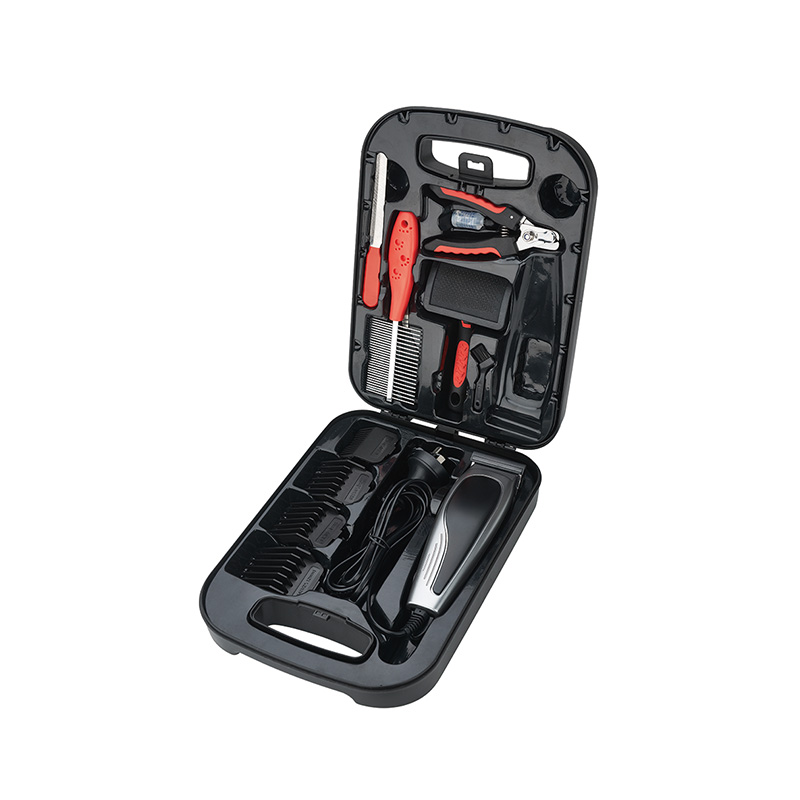
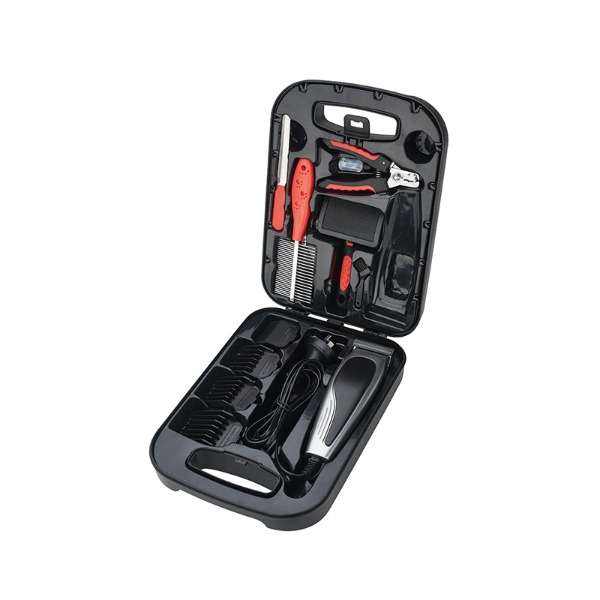
An Electric Pet Grooming Clipper can be introduced gradually by allowing the animal to become familiar with its presence before extended contact. The tool can remain nearby while the animal adjusts to the sound and movement. Contact can then begin in an area that is less sensitive.
Movement should remain controlled rather than rushed. Long, sudden passes can cause the animal to shift position, while excessive pressure can make the experience uncomfortable.
Coat direction also deserves attention. Hair may lie differently around the shoulders, sides, and lower body. Following the natural shape of the coat can make movement easier to control.
A few practical habits can help:
Skin folds can also change the way the coat sits. Areas around the shoulders, legs, and lower body may require smaller movements than the broad central part of the back.
Once the animal remains comfortable during body grooming, attention can gradually move toward areas that involve more movement or closer contact.
Legs and paws can be more challenging because they move frequently. A nervous pet may pull a leg away as soon as the area is touched, making sudden movement a concern.
The legs can be approached after the animal has become more accustomed to grooming around the body. Starting higher on the leg can provide a gradual change from the broader body surface to a smaller working area.
Paws require additional patience. They contain several small surfaces and can be sensitive to touch. Holding a paw firmly may increase resistance, especially when the animal is already uncertain about the grooming process.
A practical sequence can involve:
Hair around the paws can also collect dirt and moisture, which may make the coat feel different from hair on the body. Careful inspection before trimming helps identify areas where the hair is tangled or the skin appears irritated.
The paws do not need to be handled simply because the body grooming has begun. Their position in the sequence can change according to the animal's behavior.
The belly generally requires more consideration than the back or sides. The skin is less exposed during normal standing, and reaching the area may require the animal to change position.
For a nervous pet, changing from standing to lying down or turning onto one side can create additional stress. Grooming around the belly may be better left until the animal has already become comfortable with handling.
The condition of the coat also matters. Long or tangled hair around the belly can make trimming more complicated, while a clean and accessible coat allows easier observation.
Before working around the belly, several points can be checked:
If the animal becomes restless as soon as the body position changes, returning to a familiar area may be more appropriate than continuing.
Belly grooming also calls for careful pressure because the surface can move with the animal's breathing and posture. Slow handling and frequent observation help maintain control without turning the process into a struggle.
The face and ears require a different approach because both areas contain small, moving surfaces and are close to sensitive parts of the body. A nervous pet may react to even a small change in sound or movement when grooming takes place near the head.
Facial hair can also be close to the eyes, nose, and mouth. A sudden movement from the animal can change the distance between the grooming tool and these areas within a moment. For this reason, facial trimming generally calls for a settled posture and careful hand movement.
The ears present another challenge. Some animals move their ears when hearing unfamiliar sounds, while others react when the ears are touched directly. Pulling or holding the ear unnecessarily can increase resistance.
Facial and ear grooming can be approached through several habits:
An Electric Pet Grooming Clipper should only be used around the face when the device instructions allow that area. A tool intended for general body trimming should not automatically be treated as suitable for every facial surface.
The condition of the coat matters as well. Hair around the face can become damp from normal eating or drinking, while hair near the ears may become tangled. Careful inspection can help determine whether trimming is appropriate before any tool is brought close.
The tail can be difficult to manage because it moves independently from the rest of the body. A nervous animal may also react when the tail is touched, held, or moved into an unfamiliar position.
Tail grooming is often easier after the body has already been handled for a while. Familiarity with the grooming process can make later contact less surprising.
The tail does not need to be held firmly. Excessive restraint can increase tension and may cause the animal to pull away. Keeping the surrounding body stable while allowing controlled tail movement can provide better handling conditions.
Hair thickness may also change along the tail. Some areas can be covered with dense hair while other sections have a lighter coat. Moving slowly makes it easier to notice changes in coat density and skin position.
Several points are worth keeping in mind:
Tail grooming can be postponed without affecting the rest of the session. Completing a different body area may be more practical when the animal becomes unsettled.
The sound and vibration of a grooming device can be unfamiliar to a nervous pet. Introducing the device gradually can make the change easier to manage than bringing it directly into contact with the coat.
The initial stage can involve simply having the device nearby while the animal remains in a familiar position. Once the sound no longer produces an obvious reaction, contact can begin on a body area that has already been accepted.
The process can be divided into several simple stages:
A gradual approach does not mean that every pet will become comfortable with the same process. Previous grooming experiences, temperament, coat condition, and the environment can all affect the response.
The surroundings also matter. A crowded room, unfamiliar surface, loud background noise, or frequent interruptions can make a nervous animal harder to settle. A quiet and familiar space can reduce unnecessary distractions.
The device itself should remain secondary to the animal's behavior. Grooming does not need to continue simply because a tool has already been switched on.
Animal behavior can change before visible resistance becomes strong. A sudden change in posture, repeated attempts to move away, or increased body tension may indicate that the current step has become uncomfortable.
Some signs can be easy to miss when attention is focused on the coat. Changes around the ears, tail, body position, and movement can provide useful information.
A pause may be appropriate when:
Stopping does not necessarily mean that grooming has failed. A short break can allow the animal to return to a calmer state before another area is considered.
Continuing through strong resistance can create additional stress and make later grooming more difficult. When the animal cannot remain safely positioned, the affected area can be left for another session rather than forcing completion.
Skin condition should also be checked during pauses. Redness, small cuts, unusual sensitivity, or tangled hair close to the skin may require a different approach.
A calm grooming routine can be arranged around the level of handling each body area requires. Broad surfaces usually involve fewer changes in body position, while smaller or more sensitive areas need greater control.
| Body Area | Handling Consideration | Suggested Timing |
|---|---|---|
| Back | Broad surface and stable body position | Early in the session |
| Sides | Similar to the back but may include body curves | Early to middle |
| Legs | Movement can increase during handling | After body contact is accepted |
| Paws | Small area and greater sensitivity | When the animal remains settled |
| Belly | May require a change in position | Based on comfort |
| Tail | Moves independently and may be sensitive | After general body grooming |
| Face and Ears | Close to sensitive facial areas | When the animal is calm |
The sequence can change according to the animal's reactions. A pet that accepts paw handling may allow the legs and paws to be addressed earlier, while another may need more time around the body before moving downward.
There is also no need to complete every area during one grooming session. Coat care can be divided when the animal becomes tired, restless, or unable to maintain a comfortable position.
The practical goal is to keep each change predictable. Moving from a broad body area toward smaller areas allows the level of handling to increase gradually rather than changing abruptly.
A calm grooming environment begins before trimming starts. Familiar surroundings, stable footing, and limited distractions can make body handling easier to manage.
The grooming sequence can remain flexible. If the back is accepted but the legs cause resistance, attention can return to a familiar area rather than continuing directly toward the paws. Such changes keep the process responsive to the animal's current state.
Several habits can support a steady routine:
An Electric Pet Grooming Clipper can form part of a grooming routine when its intended use matches the body area being treated. The condition of the coat, the animal's posture, and the response to handling all remain relevant during the process.
A nervous pet may not accept every grooming step in the same order each time. Body areas that feel manageable during one session can become difficult during another, particularly when the animal is tired, uncomfortable, or already unsettled. A flexible sequence allows grooming to follow the animal's condition instead of forcing every session into the same pattern.

No.377. Fourth Avenue, Binhai Park, Economic-Technological Development Zone, Wenzhou, Zhejiang, China.

+86-577-88912812

+86-577-88912822

anda1@andaelectric.com
anda6@andaelectric.com
anda7@andaelectric.com
Copyright © Zhejiang Anda Electric Co., Ltd. Rights Reserved.
Electric Hair Clipper Manufacturer



 English
 Español
 русский