Industry News
 2026.07.07
 Industry News
Using electric hair clippers at home looks simple, although the actual trimming process involves several small skills. Holding the device steadily, moving along the shape of the head, and controlling cutting speed all affect the final result. A beginner may notice that uneven sides, missed areas, or sudden changes in hair length often happen during early attempts.
Home grooming has different needs from professional salon work. Many beginners are not trying to create complicated hairstyles. Daily trimming, cleaning up the sides, shortening hair around the neckline, or helping family members maintain a simple style are more common situations.
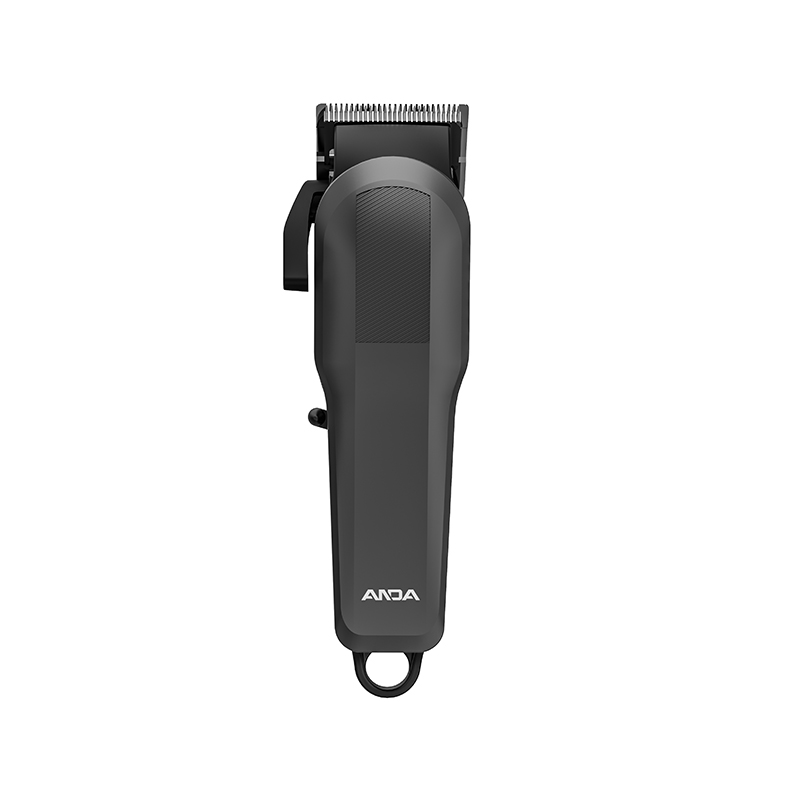
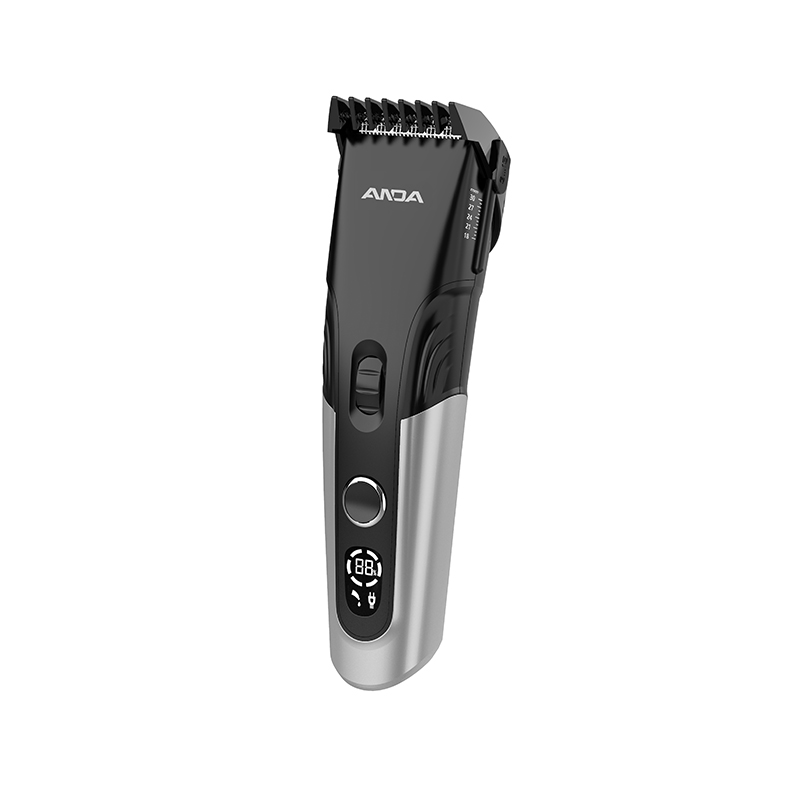
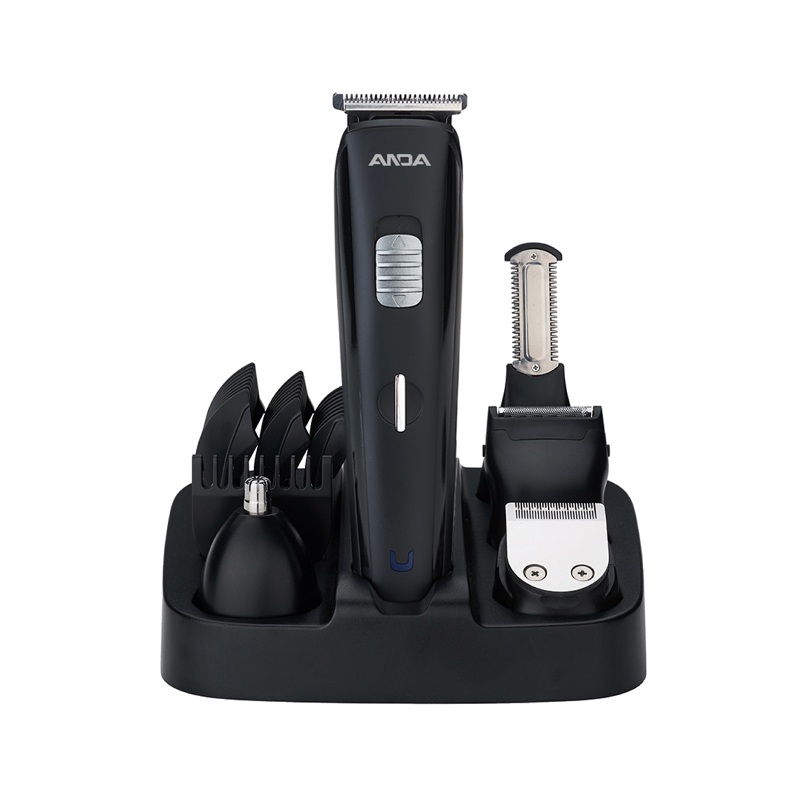
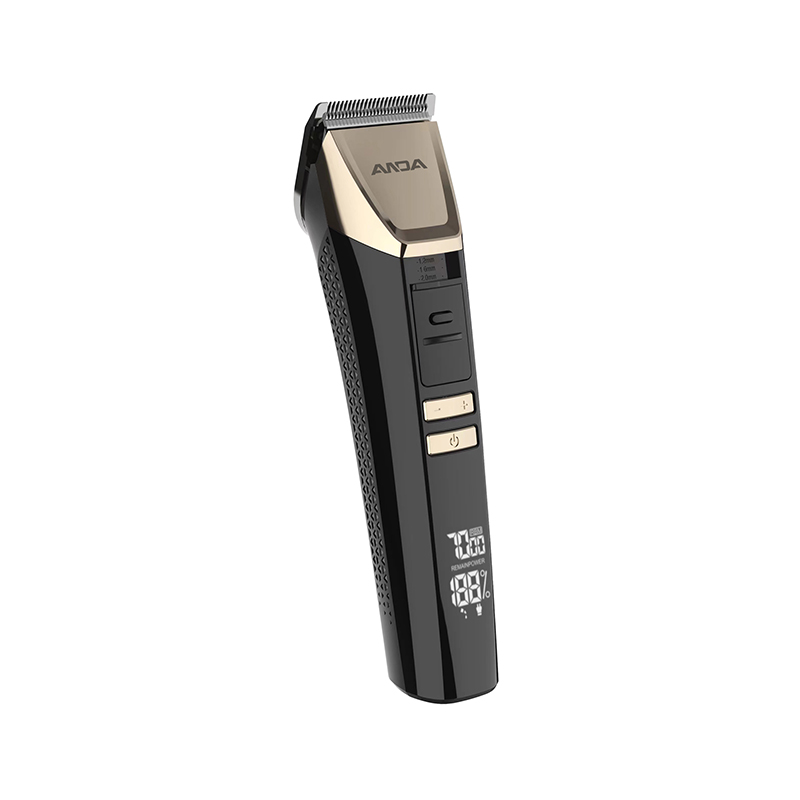
An Electric Hair Clippers Set designed for beginners usually needs to match these practical uses. Clear controls, comfortable handling, suitable attachments, and easy maintenance can reduce unnecessary difficulty during operation.
The learning process is connected with the equipment itself. A device that feels unfamiliar or difficult to control may increase hesitation during use, while a simple structure allows more attention to trimming movement and technique.
The experience with hair clippers often depends on how naturally the device can be controlled. Unlike scissors, electric clippers require continuous movement. The hand needs to follow the shape of the head while keeping a steady direction.
A common beginner problem appears when too much pressure is applied. Pressing the clipper tightly against hair does not always create a cleaner result. It may make movement slower and affect the evenness of trimming. A comfortable grip allows the hand to guide the tool with less force.
Control placement also affects daily use. When buttons and adjustment parts are easy to recognize, changing settings during trimming becomes less distracting. Beginners usually spend more time focusing on movement, so a complicated operation process can interrupt the rhythm.
Several details influence handling comfort:
A suitable handle design allows better control around curved areas such as behind the ears and near the neckline.
A balanced body structure reduces unnecessary shaking during trimming.
Simple attachment changes make it easier to keep hair length consistent.
For a person trimming hair at home for the time, the ability to make small corrections matters. Hair cutting is not always completed with one continuous movement. Checking the result, adjusting direction, and improving technique are normal parts of practice.
The structure of a clipper affects how it performs during everyday situations. A beginner may use the equipment in front of a mirror, which means visibility and hand control become closely connected.
For example, trimming the sides of the head requires movement from different angles. A handle that feels comfortable in one position may feel different when the wrist turns. A practical design allows the hand to change direction without creating too much pressure.
Attachments also influence the learning process. Different comb sizes can help maintain a more consistent distance between the cutting area and hair surface. Without suitable guidance, beginners may remove more hair than expected in certain areas.
| Design Element | Practical Effect During Use |
|---|---|
| Grip Design | Makes movement easier during self-trimming |
| Comb Attachments | Helps maintain a more even hair length |
| Button Layout | Reduces confusion during operation |
| Weight Distribution | Supports smoother hand control |
Cleaning convenience is another part of design. Hair particles can collect around attachments and cutting areas after use. Parts that are easy to remove and organize usually make maintenance less time-consuming.
For family use, design also affects sharing convenience. Different users may prefer different attachment lengths or trimming methods, so quick adjustment becomes useful in daily situations.
Safety during home trimming comes from both equipment design and personal habits. Beginners often focus on the cutting result and may overlook small actions that affect comfort.
One common mistake is moving too quickly. Fast movements can make it harder to follow the natural shape of the head, especially around curved areas. Slower and controlled movement usually provides better awareness during operation.
Attachment selection also matters. Comb attachments create space between the cutting area and skin, making them useful for beginners who are still learning pressure control.
Before starting, several checks can improve the experience:
Maintenance habits are connected with safety as well. A clean cutting area allows smoother operation, while stored attachments are easier to find and prepare for the next use.
A beginner-friendly Electric Hair Clippers Set is not only about adding functions. Practical structure, comfortable handling, and simple operation methods often have a stronger connection with daily safety.
Many home grooming tools are used regularly, so maintenance becomes part of the experience. A clipper that is difficult to clean may require extra effort after every use, which can affect how often proper care is performed.
After trimming, small hair pieces may remain around attachments or moving parts. Removing them after use keeps the equipment ready for the next session and makes inspection easier.
Simple maintenance routines usually include:
For beginners, organized storage has practical value. Missing attachments can interrupt a trimming plan, especially when different hair lengths are needed. Keeping accessories in one place makes preparation easier and reduces unnecessary searching.
A good maintenance routine does not need complicated steps. Small habits after each use can make the equipment easier to manage and help beginners become more familiar with daily operation.
A beginner usually does not need a complicated setup for home trimming. What matters more is whether the clipper feels easy to hold, simple to adjust, and comfortable during a short haircut or a quick cleanup around the sides and neckline. A person trimming hair once in a while may prefer a smaller set with clear accessories, while regular home grooming may call for something a little more organized.
Hair type also changes the choice. Short hair around the ears or neck needs different handling from a full trim, and thick hair often asks for steadier movement than lighter hair. A set that comes with easy-to-change attachments can make those small differences easier to manage.
A few points usually matter in daily use:
A grip that feels steady makes movement easier, especially during self-trimming.
Clear comb pieces help keep cutting length more consistent.
When accessories stay together, preparation becomes less troublesome.
Occasional trimming and regular use may call for different levels of convenience.
An Electric Hair Clippers Set should fit real habits rather than look impressive on paper. A beginner who only trims the sides every few weeks may value different features from someone helping family members on a routine basis.
Learning to trim hair usually starts with small tasks. Cleaning up the neck area, shortening the sides a little, or evening out a simple haircut gives beginners space to practice without trying to change too much at one time. That slow process matters because hand movement, mirror use, and cutting angle all take some getting used to.
A clipper that responds in a clear way makes learning easier. When the device moves smoothly and does not feel awkward in the hand, attention can stay on the hair rather than on the tool itself. That can reduce hesitation during the early stages of practice.
Several habits make the learning process feel less difficult:
Home grooming also becomes easier when the device does not demand much setup. A beginner usually learns faster with equipment that can be prepared quickly and cleaned without much effort.
Many early trimming problems come from rushing. Cutting too much at once can make the result uneven, especially when the sides and back are handled separately. Taking a little off, then checking the shape again, often works better than trying to finish quickly.
Attachment choice can also cause trouble. Using the wrong comb length may remove more hair than expected or leave sections looking different from one another. Clear labeling and simple attachment changes help avoid that problem.
Cleaning is another point that often gets skipped after use. Hair pieces left inside the device or around the attachments can affect the next trimming session. A quick clean after each use usually keeps the set easier to handle.
Useful habits include:
A clipper used at home becomes part of normal routine, so maintenance should also feel normal. When cleaning takes only a short time, the habit is easier to keep. When parts are stored in one place, the next use begins more smoothly.
Moisture, loose hair, and misplaced accessories are small issues, though they can make a routine feel messy if ignored. Simple care after use usually prevents those problems from building up.
Daily maintenance can stay practical:
Home grooming tools work when they match ordinary habits. A beginner usually needs clear controls, a comfortable grip, and a setup that does not take much time. That is why product structure matters so much. A tool that feels easy to manage gives more room for practice, correction, and gradual improvement.
An Electric Hair Clippers Set becomes more useful when it fits real life. Small details like handle shape, attachment order, and cleaning convenience often matter more than appearance alone. For beginners, those details can decide whether home grooming feels manageable or frustrating.
A suitable beginner clipper set is usually the one that feels easy to hold, simple to control, and practical to clean. Safety habits, clear attachments, and a comfortable grip all help reduce common problems during early use. For home trimming, simple equipment often works better than a setup that looks complete but feels hard to handle.
Recommended Products

No.377. Fourth Avenue, Binhai Park, Economic-Technological Development Zone, Wenzhou, Zhejiang, China.

+86-577-88912812

+86-577-88912822

anda1@andaelectric.com
anda6@andaelectric.com
anda7@andaelectric.com
Copyright © Zhejiang Anda Electric Co., Ltd. Rights Reserved.
Electric Hair Clipper Manufacturer



 English
 Español
 русский