Industry News
 2026.07.10
 Industry News
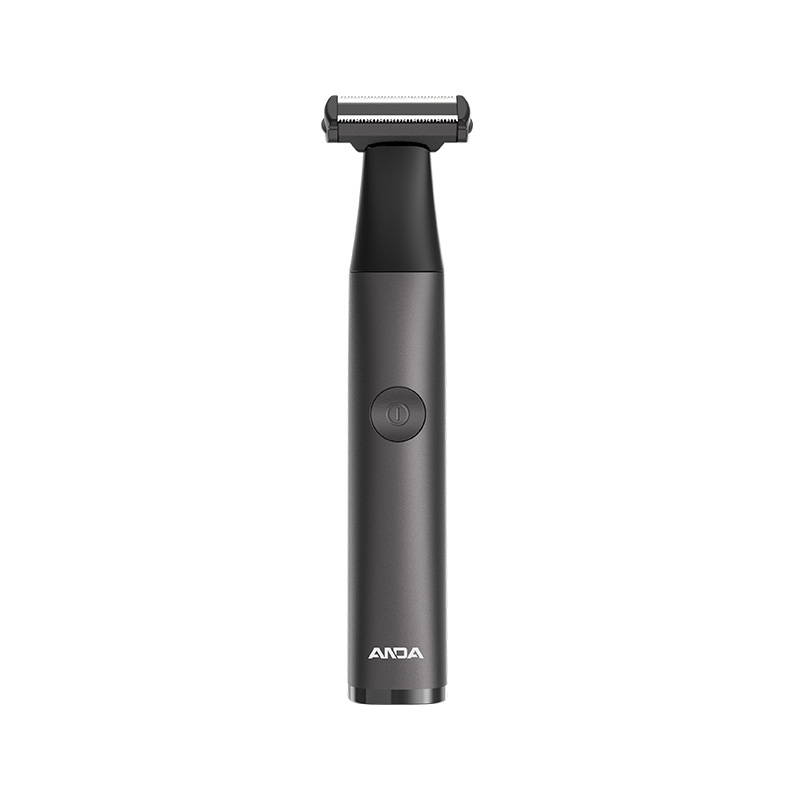
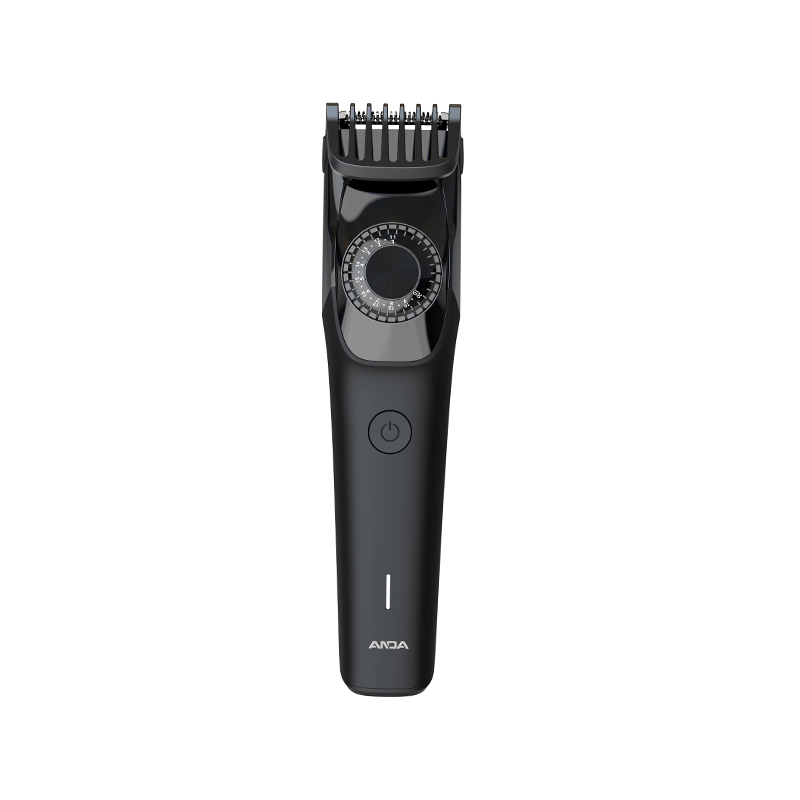
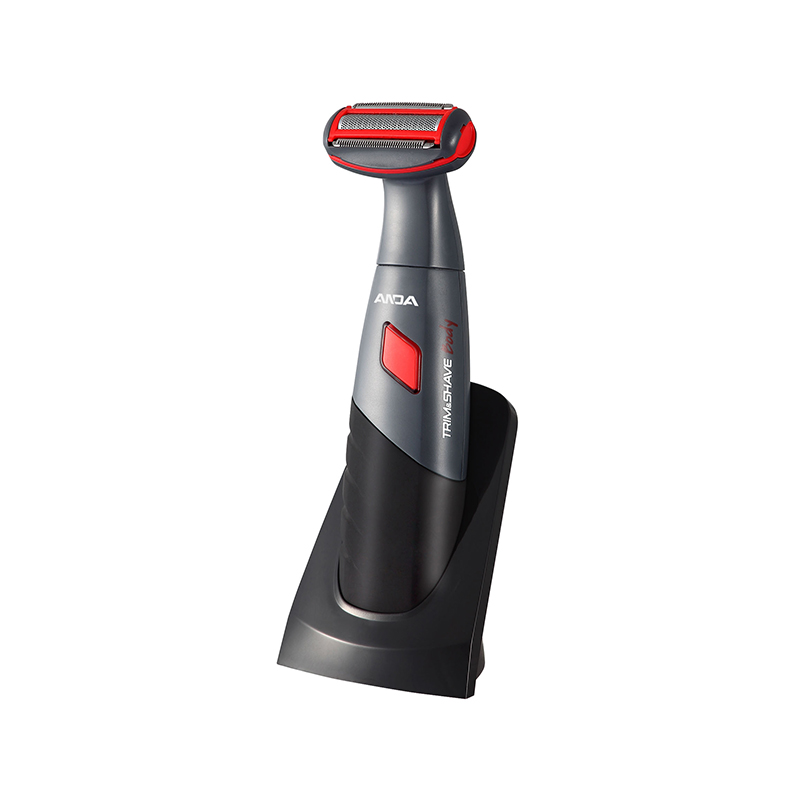
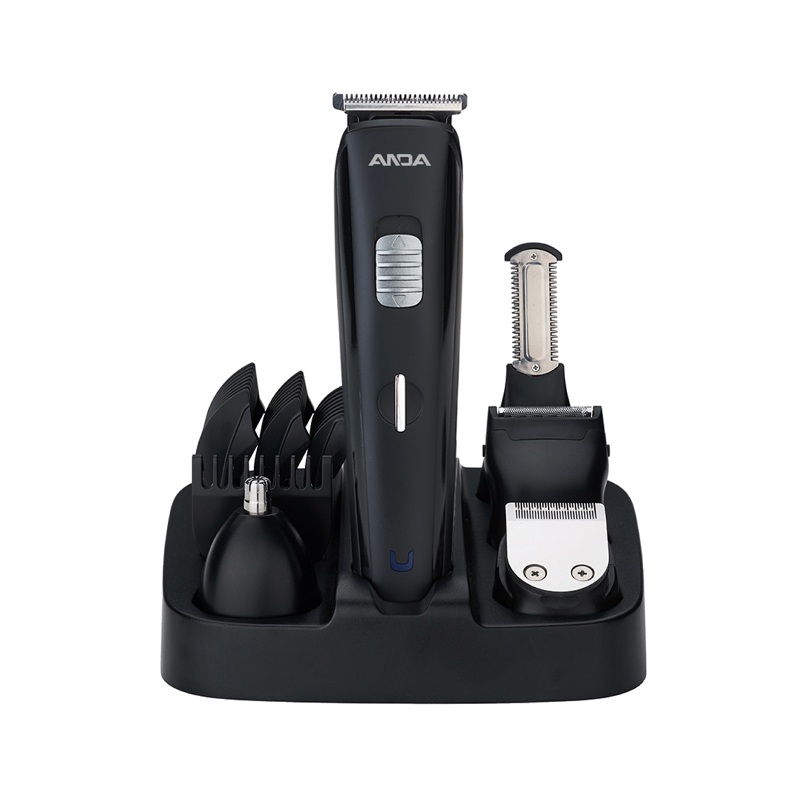
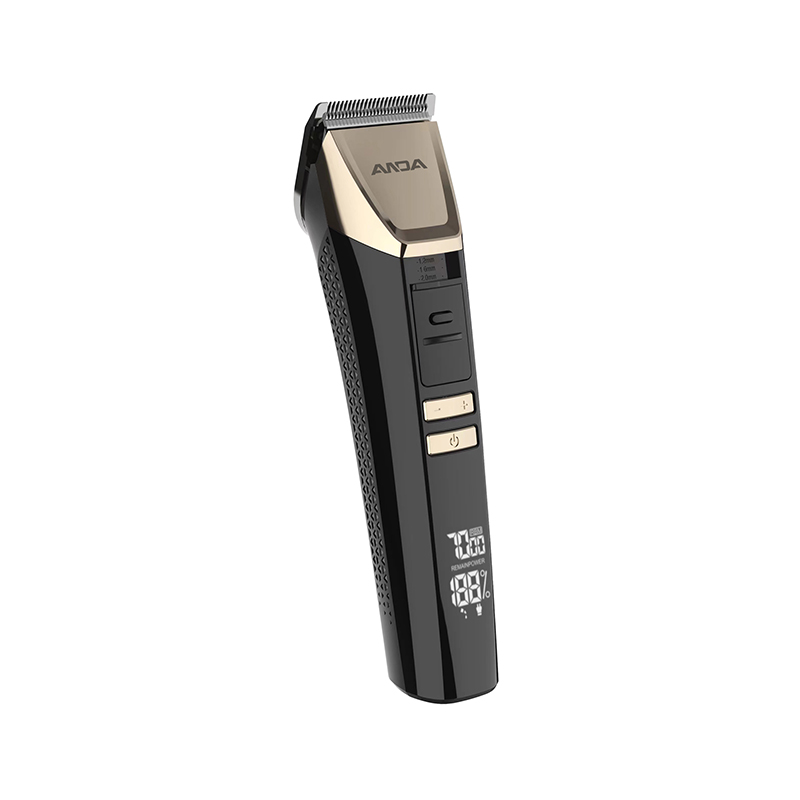
A small electric device has found a permanent place in many bathroom cabinets and bedroom drawers. Home Use Hair Clippers sit alongside toothbrushes, razors, and combs as everyday grooming tools. Their presence in households has grown steadily over recent years, and for reasons that go beyond simple convenience.
Going to a barber or salon used to be the expected way to maintain a neat appearance. People scheduled appointments, set aside time, and paid for each visit. That pattern has shifted. More individuals now pick up a pair of clippers and handle the job themselves. What drives that change? The answer involves three interconnected factors—how easy the process becomes, how much money stays in the pocket, and how often grooming actually needs to happen. Examining these elements reveals why home clippers have moved from a niche purchase to a mainstream household item.
Convenience takes many forms when it comes to grooming at home. One aspect involves timing. Salons operate during certain hours. Appointments must be made in advance. A person with an unexpected event, a sudden need for a trim, or simply a free evening cannot always get a slot at short notice. Home clippers sit ready at any hour of the day or night.
Travel time disappears from the grooming equation. Driving to a salon, finding parking, waiting for the barber, and driving back consume time that adds nothing to the quality of the haircut. Performing the same task at home removes that overhead entirely. The time spent on grooming becomes only the time actually spent cutting hair.
Grooming at home also accommodates irregular schedules. Shift workers, parents with young children, and people with demanding jobs often find it difficult to fit salon visits into their days. Home clippers offer flexibility that no salon can match. A trim can happen at six in the morning or late in the evening.
Quick touch-ups become practical without the commitment of a full appointment. A person who notices an uneven spot or a stray hair can address it immediately. There is no need to wait until the next scheduled visit or to make a special trip for a minor correction.
The financial comparison between home grooming and salon visits tells a clear story. A single trip to a barber costs a certain amount. Over the course of a year, with regular haircuts every few weeks, that amount multiplies into a significant sum. A set of home clippers represents a one-time outlay that covers many years of use.
| Time Period | Salon Visits | Home Grooming with Clippers |
|---|---|---|
| Single occasion | Fixed fee per visit | One-time purchase cost |
| Over several months | Repeated fees add up | No additional expense |
| Over a year | Cumulative total grows | Purchase cost already covered |
| Over multiple years | Ongoing payments continue | Cost remains unchanged |
The purchase price of a set of clippers typically falls somewhere between the cost of one or two salon visits. Once that purchase is made, each subsequent haircut costs nothing beyond the electricity to run the device and occasional maintenance. For households with multiple members, the savings multiply further. One set of clippers serves an entire family, while each family member would otherwise pay individually for salon services.
Value perception shifts once the upfront cost is viewed across the expected lifespan of the device. What appears as an expense initially becomes an investment that pays for itself after a few uses. For many households, that arithmetic makes the decision straightforward. The money saved on salon visits can be directed toward other priorities.
Hair does not stop growing after a salon visit. Within a week or two, the shape of a haircut begins to change. Edges soften, length increases, and the overall look becomes less defined. Maintaining a sharp appearance requires regular attention.
Some people prefer to keep their hair very short. For them, grooming needs to happen weekly or even more often. Visiting a salon every week would be impractical for people, both in terms of time and money. Home clippers allow that level of frequency without the burden of repeated appointments.
Others grow their hair longer but still need frequent maintenance around the edges. The neckline, sideburns, and areas around the ears demand attention every few days. Home clippers handle these small tasks efficiently. A few minutes with the clippers keeps the overall look tidy between full haircuts.
How often someone uses home clippers directly affects the perceived value of owning them. A person who uses clippers twice a week gets far more benefit from the purchase than someone who uses them once a month. The frequency of use creates a cycle—more frequent use increases familiarity, which makes the process faster and easier, which encourages even more frequent use.
Users with particular grooming habits benefit from having clippers readily available. Some maintain a consistent look that requires regular upkeep. Others like to experiment with different lengths and styles, which demands frequent adjustments. Having the tool at home supports both approaches without requiring external assistance.
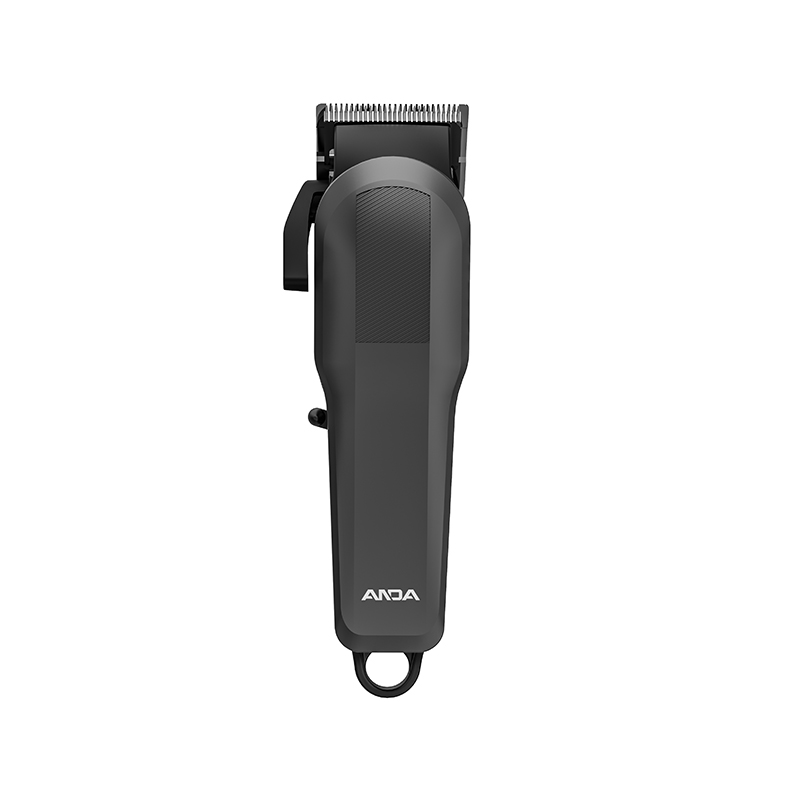
Grooming happens at different times for different people. Some attend to their hair thing in the morning. Others prefer evening sessions after work or before heading out. Home clippers accommodate either preference without forcing a schedule change.
Morning routines usually run tight. Between showering, dressing, and breakfast, not many minutes remain for grooming. Having clippers within reach means a quick pass around the edges takes only a minute or two. That brief effort keeps the hair looking fresh without disrupting the flow of the morning.
Evening grooming offers a different advantage. Without the pressure of a schedule, a person can take a little more time with the clippers. Evening sessions suit those who prefer to do a thorough job when the day's obligations are done. No rush, no waiting.
The absence of preparation and travel time makes a real difference. A salon visit requires planning—calling for an appointment, driving there, waiting, and driving back. Home grooming eliminates all of that. The clippers simply need to be picked up, turned on, and used. When finished, they go back in the drawer.
Several design features determine how practical a set of clippers feels in daily use. Operation without special training stands out. A person does not need to attend classes or study manuals. The controls are straightforward, and the basic action becomes intuitive quickly.
Cordless operation adds flexibility. Without a cord, the clippers go anywhere. The bathroom, the bedroom, even outdoors if the weather permits. No searching for outlets or stretching cords across the room.
Attachment combs provide control over length. Different combs produce different results. A shorter comb gives a close cut around the neck and ears. A longer comb leaves more length on top. Switching between combs takes seconds.
Cleaning stays simple. Many clippers come with a small brush that removes hair clippings from the blades. Regular oiling keeps the blades moving smoothly. These tasks take little time and prevent performance issues before they start.
Features that support regular use:
Confidence grows alongside skill. A person who has cut their own hair multiple times knows what to expect. They understand how the clippers respond to different pressures and directions. That knowledge reduces anxiety about mistakes.
The acceptable quality standard varies. Some aim for professional-level results. Others find that a good enough outcome meets their needs perfectly. For many, the convenience of doing it at home outweighs the pursuit of perfection.
Home clippers serve purposes beyond cutting hair on top of the head. Many users maintain beards and mustaches with the same device. Regular shaping and trimming become quick tasks.
Multiple family members often share one set of clippers. Children's hair grows quickly and needs frequent cutting. Adults have their own requirements. One set with interchangeable combs accommodates different lengths and styles.
Trimming around ears and necklines requires attention to detail. Clippers with narrow blades or precision attachments reach these areas effectively. Users can maintain clean lines between salon visits or manage their entire look from start to finish.
Hair texture and thickness vary widely. Some people have fine, straight hair that cuts easily. Others have coarse or curly hair that requires more care. Adjustable blade settings handle different hair types without needing specialized equipment.
Spare parts availability affects long-term satisfaction. Blades dull over time and need replacement. Charging cables can be lost. Knowing that replacements are easy to find gives users confidence.
Storage space matters. Clippers need a place to live between uses. Some keep them in a bathroom drawer. Others store them on a shelf or in a case. The size and shape of the clippers influence where they fit.
Durability with frequent use shapes purchasing decisions. A device used weekly must withstand regular handling. Users look for build quality that suggests reliable performance over time. The feel of the clippers in the hand often serves as an indicator.
Safety considerations come into play, especially with children. Clippers with rounded blade tips reduce the risk of accidental nicks. Guards that keep blades away from the skin add another layer of protection.
Home Use Hair Clippers have earned their place in daily grooming routines through a combination of practical advantages. Convenience tops the list—grooming at any time without appointments or travel. Cost makes financial sense over repeated salon visits. The ability to maintain a clean look with frequent touch-ups supports the grooming habits many people prefer.
Learning to use clippers well takes some practice, but the effort pays off in flexibility and independence. Once the skill develops, the process becomes quick and routine. The clippers serve multiple purposes, from full haircuts to beard maintenance.
The decision to groom at home does not mean abandoning salons entirely. Many use clippers for maintenance between professional haircuts. Others make a complete shift. Both approaches benefit from having a reliable set of clippers available.
What makes the preference understandable is the way clippers align with how people actually live. Grooming happens in small moments, between other tasks, at whatever time works. Home clippers fit those moments naturally. No setup, no travel, no waiting. That simplicity, combined with the financial and practical benefits, explains their common presence in households today.

No.377. Fourth Avenue, Binhai Park, Economic-Technological Development Zone, Wenzhou, Zhejiang, China.

+86-577-88912812

+86-577-88912822

anda1@andaelectric.com
anda6@andaelectric.com
anda7@andaelectric.com
Copyright © Zhejiang Anda Electric Co., Ltd. Rights Reserved.
Electric Hair Clipper Manufacturer



 English
 Español
 русский