Industry News
 2026.11.06
 Industry News
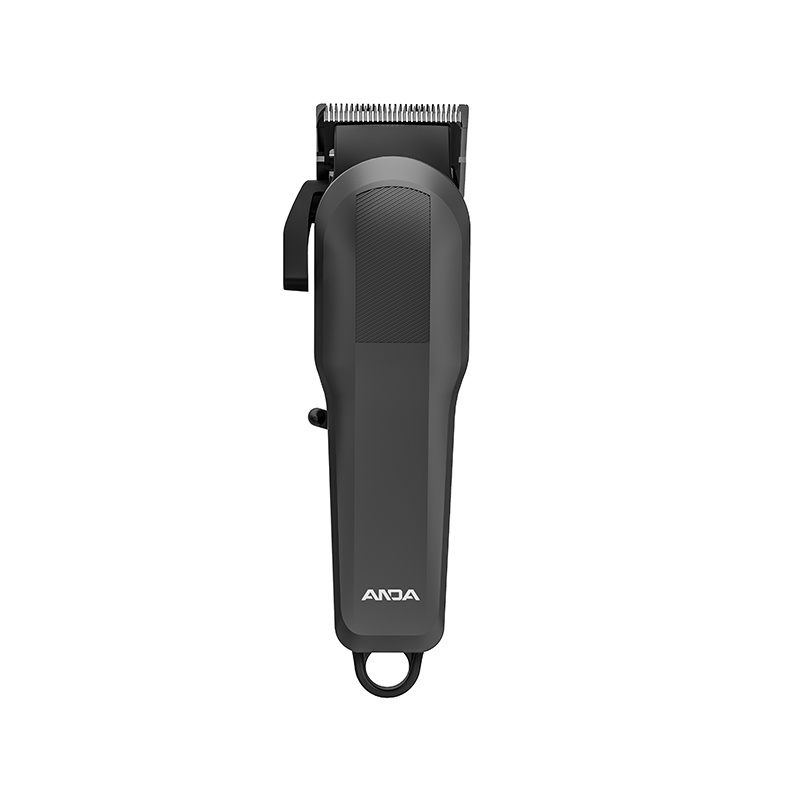
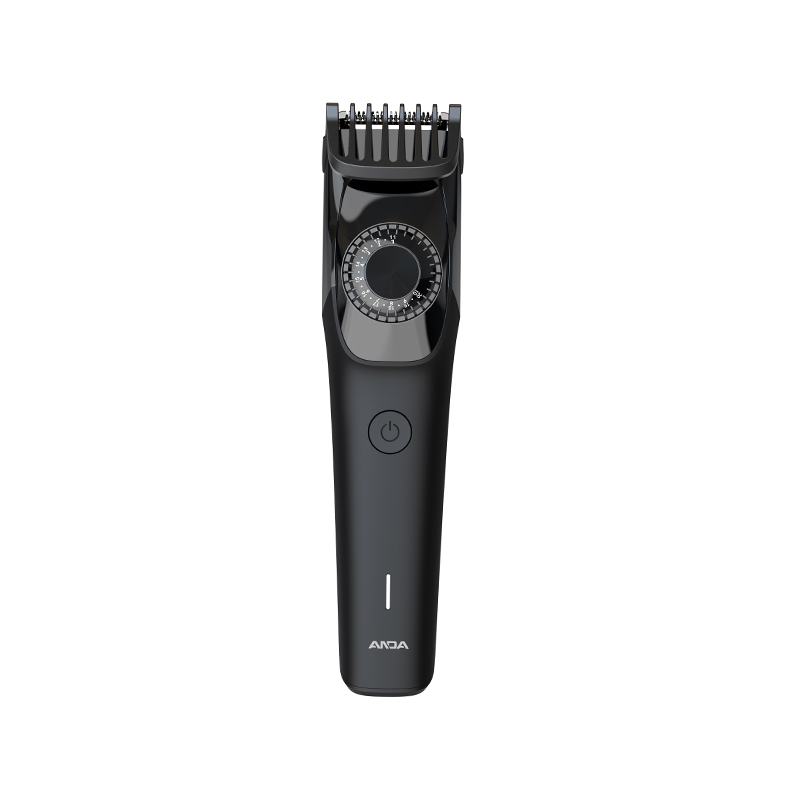
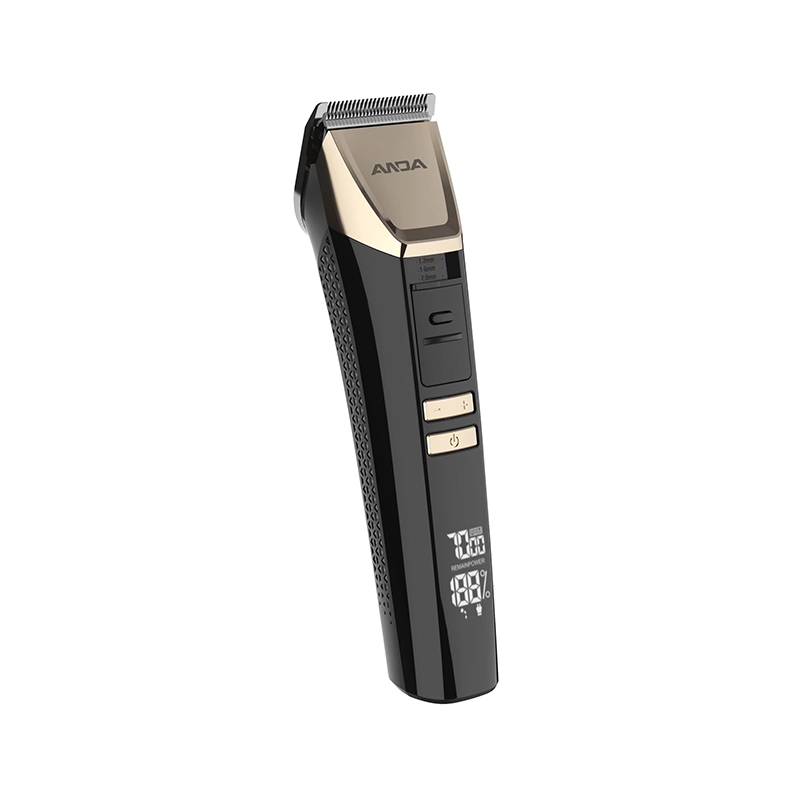
A tapered cut shortens the hair gradually around the temples, sideburns, and neckline while the upper sides keep their length. A Hair Clipper for Cutting Hair gives control over length, blending, and edge definition, which makes the shape easier to repeat at home or in a barbershop.
A taper changes length in steps. The hair is shorter near the hairline and grows longer as it moves upward, so the sides connect with the top instead of ending at an obvious line. A cut that removes the same amount everywhere cannot give this soft shape.
Texture affects the result. Straight hair shows a clean, quiet outline. Wavy hair keeps its movement while the sides stay tidy. Curly and coily hair keep their natural form, and the shaped edges reduce bulk at the temples and neck.
Taper and fade are often confused. A taper works mainly around the temples, sideburns, and neckline. A fade covers a wider area across the sides and back and can reach down to the skin.
| Feature | Taper | Fade |
|---|---|---|
| Main areas | Temples, sideburns, neckline | Sides and back |
| Length change | Gradual, in selected spots | Across a wider area |
| Appearance | Soft, understated | Stronger contrast |
| Top styling | Works with many lengths | Often highlights the contrast |
Knowing the difference helps when describing the cut to a barber or choosing a technique at home.
A clipper trims hair to controlled lengths with moving blades. Guide combs and blade adjustment let the user shorten hair in stages instead of removing too much in one pass.
Guide combs clip onto the blade and set how much hair remains. Moving from a longer comb to a shorter one in chosen areas builds the shape. They keep length even within a section, lower the chance of cutting too short, and make repeat trims simple for beginners.
An adjustment lever moves the blade position slightly. Around the temples and lower sides, a small change in length shows clearly, so the lever helps soften a visible step between two combs.
Blade design also matters. Check the material, how easily it cleans, whether replacements are sold, and whether it fits the supplied combs. A clean, well-kept blade cuts evenly and pulls less.
Someone who trims once a month needs different things from a barber who works all day. A few features suit tapering in particular.
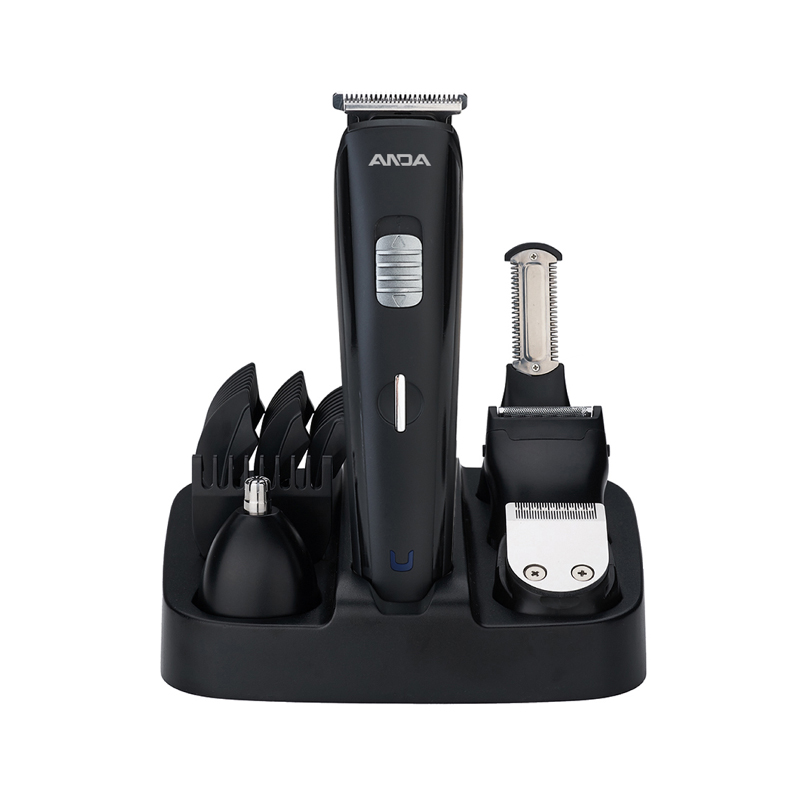
A blade lever allows small length changes without swapping attachments. Several guide combs give more choices for different styles. A detail trimmer cleans the neckline and sideburns.
| Attachment or feature | Function | Use in a taper |
|---|---|---|
| Longer comb | Keeps more length | Upper transition |
| Medium comb | Reduces length gradually | Middle section |
| Shorter comb | Closer trim | Lower sections |
| Blade lever | Small length changes | Softening visible lines |
| Detail trimmer | Defined outlines | Neckline and sideburns |
Check the maker’s specifications for the exact length each comb leaves.
Motor performance shows up on thick or dense hair. A motor that runs steadily avoids tugging and uneven results, and noise, vibration, and heat affect comfort during a long session.
Handling matters because tapering means working around the ears and the back of the head. Look for a secure grip, manageable weight, reachable controls, and a shape that moves easily around curves. Cordless models allow free movement, while corded ones supply constant power.
Patience matters more than speed. Working in small stages leaves room to check the shape before cutting further.
Start with clean, dry hair brushed in its natural direction. Check that the blade is clean, pick the combs you need, and set up mirrors so the sides and back are visible. A reference photo helps.
A low taper stays close to the lower hairline, while a higher one changes the side profile more. Consider head shape and how much length should remain on top. Start with a longer comb than you think you need, since hair cannot be put back.
Use the chosen comb to set the length in one section, then change attachments as you move toward the hairline. Cut small sections, keep the movement steady, follow the shape of the head, and check from several angles. If a boundary shows, use the blade lever for a small correction. Going over one spot again and again without checking can leave a patch that is hard to fix.
Keep sideburns balanced, follow the natural hairline around the ears, and shape the neckline to suit the cut. A detail trimmer helps with finishing where it is suitable.
Look at the sides, back, and front. A handheld mirror shows the back of the head. Fix problems with small touch-ups. Beginners can ask an experienced barber to look over the result.
A comb that is too short removes more than intended and changes the shape. Read the size marking and begin longer when unsure.
Visible lines appear when neighboring sections differ too much in length. Use gradual steps, check the blade setting, and avoid sudden movements near the transition.
Pressing hard against the scalp does not improve the cut. It makes curved areas harder to control, so keep a relaxed grip and let the blade do the work.
Skipped maintenance causes trouble too. Hair residue builds up around the blade and affects performance. Clean after each use, oil the blade as the instructions say, and watch for damage, unusual heat, or wear.
Home users usually want simple operation: clearly marked combs, an easy lever, a comfortable handle, quick cleaning, and a battery or cord that suits the space.
Barbers need steady performance through the day: a reliable motor, durable blades, quick attachment changes, comfortable handling over long sessions, available spare parts, and upkeep that fits the work routine.
| Need | Useful feature | Reason |
|---|---|---|
| Home maintenance | Simple controls | Routine trims are easier |
| Taper cuts | Adjustable lever | Gradual length changes |
| Varied lengths | Several guide combs | Flexible attachments |
| Outlining | Detail trimmer compatibility | Shapes selected areas |
| Daily professional use | Durable build | Handles regular operation |
| Travel | Cordless operation | Flexible positioning |
Compare the maker’s specifications against how you actually cut hair before buying.
Switch the clipper off after each session and clean it as the manual directs. Brush away loose hair with the supplied tool. Do not rinse electrical parts unless the manufacturer states the model is water-safe.
Blade oil reduces friction between moving parts. Apply a little, wipe away the excess, and check for loose screws, damaged teeth, or odd sounds. Replace worn parts when needed.
Store the clipper in a dry place. Keep guide combs together and free from pressure so they do not bend. A small case protects the set at home or while traveling.
A well-shaped taper comes from understanding how length, blade adjustment, and hand movement work together. A suitable Hair Clipper for Cutting Hair makes everyday trimming more controlled and gives flexibility around the temples, sides, and neckline.
Browse our hair clipper range to compare blade designs, attachments, handle shapes, and care requirements, then choose a model that matches how you cut hair.
Recommended Products

No.377. Fourth Avenue, Binhai Park, Economic-Technological Development Zone, Wenzhou, Zhejiang, China.

+86-577-88912812

+86-577-88912822

anda1@andaelectric.com
anda6@andaelectric.com
anda7@andaelectric.com
Copyright © Zhejiang Anda Electric Co., Ltd. Rights Reserved.
Electric Hair Clipper Manufacturer



 English
 Español
 русский