Industry News
 2026.08.07
 Industry News
The shift away from relying exclusively on professional salons really comes down to a few practical roots. Time constraints play a real part here — scheduling a salon visit means planning ahead, traveling there, waiting around once you arrive. For anyone juggling demanding work hours or family responsibilities, those blocks of free time just aren't always sitting there available. Home grooming offers a kind of flexibility professional services can't really compete with — a haircut can happen late at night or early in the morning, whenever the calendar actually allows it.
Cost factors in too. Professional grooming services have crept up in price over the years, and regular visits genuinely add up over time. Home equipment asks for an upfront investment, sure, but it keeps serving across many months or years of use. For plenty of households, the long‑term savings end up justifying that initial purchase pretty easily.
The quality jump in consumer‑grade grooming equipment is worth mentioning too. Devices built for home use now pack in features once reserved for professional‑only tools. Better blades, sturdier motors, more thoughtful designs — all of it has lowered the skill barrier for home grooming considerably. People who wouldn't have dreamed of cutting their own hair a decade ago now manage it with reasonable success.
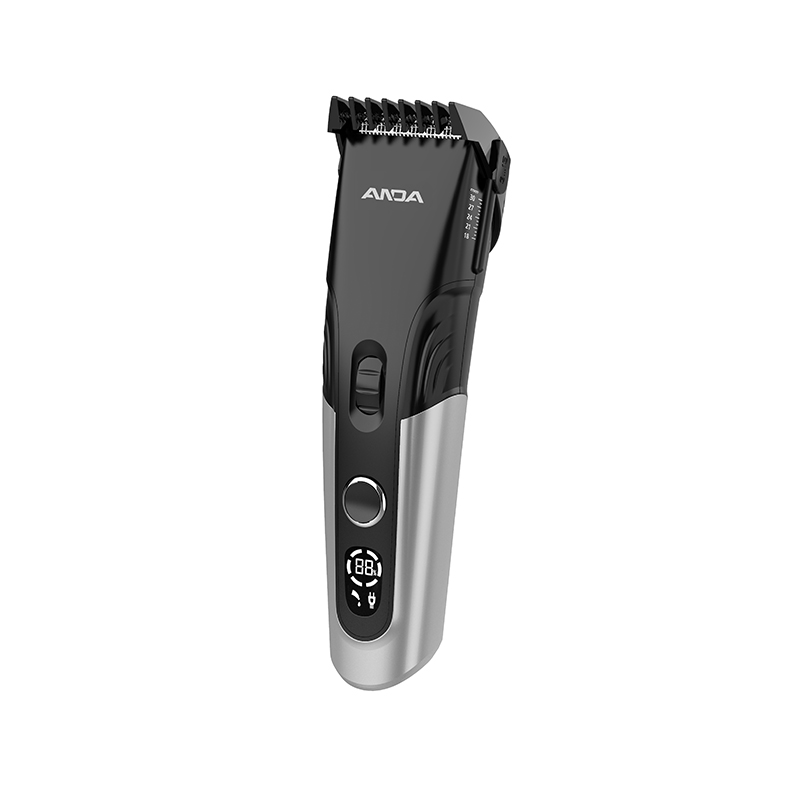
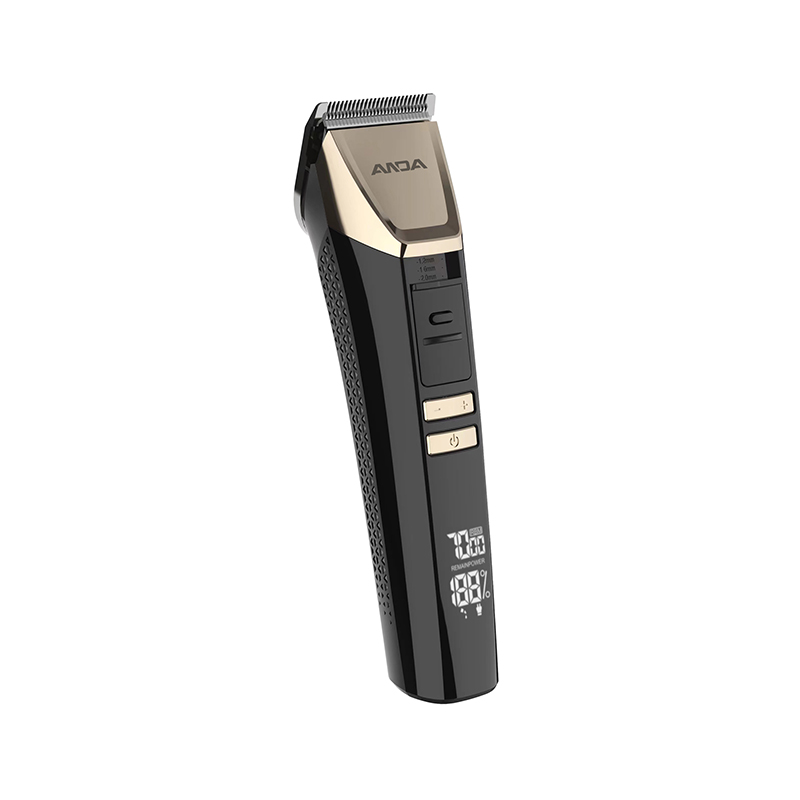
Among the grooming tools finding their way into home bathrooms, clippers with built‑in display screens have drawn particular interest. The screen shows information that genuinely matters mid‑use, and that information changes how people actually interact with the device.
Here's what a display typically shows:
These features solve genuinely common frustrations tied to traditional clippers. Anyone who's started a haircut only to have the thing die halfway through knows exactly why battery status matters. Anyone who's grabbed the wrong guard length by accident understands the value of a clear setting indicator right away.
The display makes the whole device feel more approachable for less experienced users too. People without professional training often feel genuinely uncertain about clipper operation, and seeing device status laid out clearly eases that uncertainty considerably. An LCD Hair Clipper gives feedback that builds real confidence, and that confidence tends to show up in better grooming results.
A question that comes up naturally enough: if a clipper handles head hair fine, why not just use it for everything? The answer becomes obvious pretty fast after one attempt at using a full‑sized clipper anywhere near the nose. The practical limits of a single tool trying to do every grooming job reveal themselves almost immediately.
Nose and ear hair removal demands a level of precision a standard clipper just doesn't offer. Consider what's actually required:
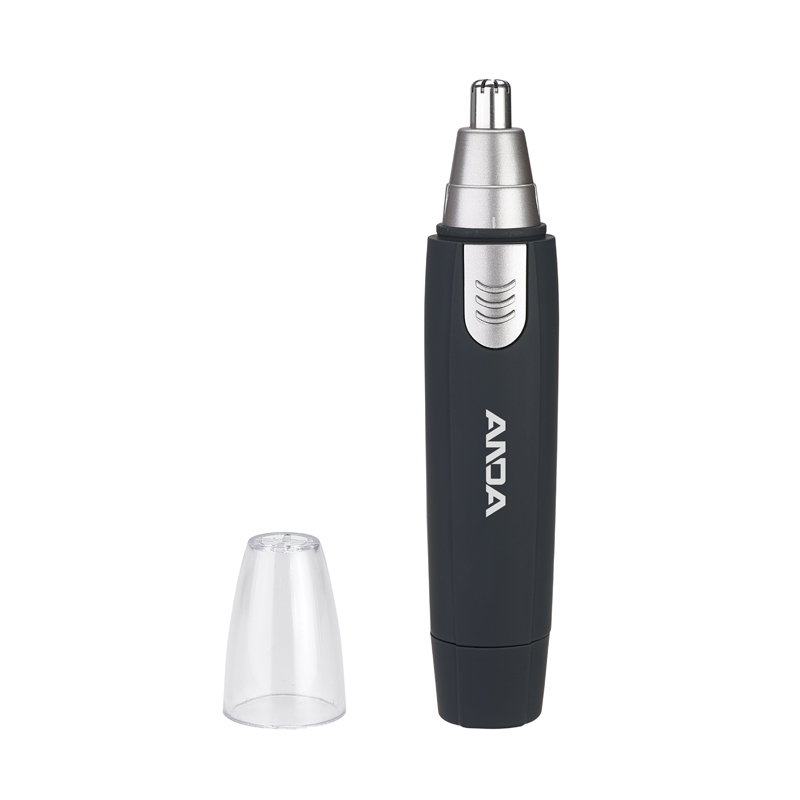
A device built specifically for nose and ear hair addresses each of these problems directly. The compact head fits into narrow spaces. Blade design cuts down the risk of pulling or snagging. Safety features keep the blade from contacting sensitive skin. A Portable Nose Trimmer offers a solution a general‑purpose clipper simply can't match here.
Anyone who's experienced discomfort from using the wrong tool tends to appreciate the difference immediately. The value of a dedicated device becomes obvious after just one use — comfort, safety, and effective removal all improve once the right tool is doing the job.
The practical relationship between a head clipper and a facial trimmer goes well beyond just owning two separate tools. They serve different schedules, occupy different storage spots, and address genuinely different grooming needs.
A few observations on how daily use tends to break down:
Storage habits tend to mirror these different use frequencies. The clipper, used less often, often ends up in a drawer or tucked under the sink. The trimmer, used far more frequently, tends to stay out on the counter or somewhere easy to grab. That separation keeps each tool ready right when it's actually needed.
The complementary nature shows up in required skill too. Using a clipper on head hair takes coordination, patience, some real technique. Using a facial trimmer takes steady hands but stays generally simpler overall. Users can spend time getting good with the clipper while leaning on the trimmer's straightforward operation for quick daily upkeep.
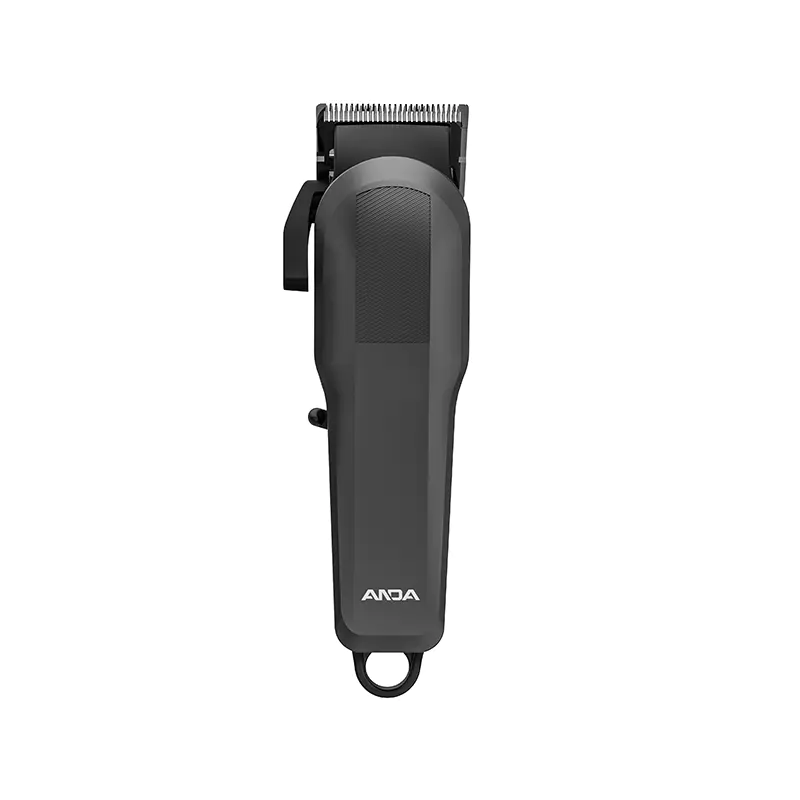
Choosing to buy two separate grooming devices instead of one general‑purpose tool involves a handful of genuinely practical considerations, and people tend to weigh several factors before committing to a purchase.
Cost obviously matters, but the comparison isn't just about sticker price. The math tends to play out like this:
Quality shapes the decision too. A reliable LCD Hair Clipper paired with a well‑designed Portable Nose Trimmer adds up to a genuinely complete solution. Users who invest in decent equipment tend to find both devices hold up through years of regular use, and the long‑term satisfaction of having the right tool for each job tends to offset that initial expense pretty comfortably.
Space plays a role too, sometimes more than people expect. Home bathrooms often have limited storage to work with. Two small devices can actually take up less total space than one larger device loaded down with replacement blades and attachments. The compact size of modern grooming tools makes this setup workable even in smaller bathrooms.
| Aspect of Use | LCD Hair Clipper | Portable Nose Trimmer |
|---|---|---|
| What it does | Removes and shapes head hair | Removes visible nose and ear hair |
| How often people use it | Every few weeks for a full haircut | Every few days for quick touch‑ups |
| Where it sits between uses | Stored away, often in a cabinet | Left accessible for frequent use |
| What users value | Display feedback and setting control | Safety and comfort in sensitive areas |
| Time spent per session | Fifteen to thirty minutes typically | One to two minutes usually |
The decision to combine these devices really reflects a practical approach to grooming overall. Users tend to recognize that no single tool handles everything equally well. By picking specialized devices for different purposes, they end up with better results and less hassle than trying to force one tool to cover every need.
Adding a display screen to a hair clipper really shifts the relationship between user and tool. Traditional clippers leave people guessing about battery life, current settings, maintenance needs — the display just answers all of that directly instead of leaving it to chance.
Knowing exactly how much charge is left makes a genuine difference. A percentage or bar on screen tells you whether to start cutting right away or plug in first. No more dead batteries halfway through a haircut, no more rushing to beat the power running out. That information just lets people plan better from the start.
Setting indicators cut out the uncertainty too. When several guard lengths are on offer, picking the right one actually matters, and the screen confirms exactly what's selected before anyone starts cutting. Fewer mistakes, less wasted time.
Maintenance reminders show up on some displays, flagging when cleaning or oiling is overdue. Plenty of home users forget about clipper maintenance entirely — a visible reminder helps keep the device in decent shape, which shows up directly in cutting quality and how long the device lasts.
That visual feedback builds real confidence, especially for anyone without professional training. Seeing device status laid out clearly makes the whole process feel more under control. An LCD Hair Clipper communicates with the user in ways basic models simply can't, and that communication makes the whole grooming experience feel more comfortable.
Nose and ear hair trimming happens in tight spaces against sensitive skin, so tool design really counts here. Small differences in shape, blade type, and safety features end up changing how the whole process feels.
Size comes first. The trimmer head needs to fit into the nostril opening without stretching anything or causing discomfort. A compact design reaches hair growing deeper inside; bulky heads just can't get there effectively.
Blade quality shapes comfort directly too. Good blades cut cleanly; poor ones pinch or pull instead. In sensitive areas, pulled hair isn't just uncomfortable in the moment — it can leave minor irritation lingering for hours afterward. Users notice that difference right away and gravitate toward trimmers that cut clean.
Safety features carry extra weight here since nick risk runs higher in these areas:
Cleaning matters too, worth noting. Nose and ear trimmers collect small clippings that need clearing out after each use. A washable design keeps hygiene simple — trimmers that are a pain to clean tend to get used less regularly, and debris buildup can drag down performance over time.
Owning several grooming tools can add some storage demands, though modern devices tend to run small. A clipper and trimmer together take up less room than plenty of other bathroom items — the real challenge isn't size, it's keeping things organized and within reach.
Different households land on different approaches:
Organization ends up mattering because it directly affects whether tools actually get used. A clipper buried somewhere hard to reach tends to see less use. A trimmer sitting in plain sight gets picked up more often. The storage setup really shapes the whole grooming routine.
Charging arrangements factor into convenience too. Cordless devices need power somewhere, and a single charging spot for multiple devices heads off scattered chargers and lost cables. Homes juggling several cordless tools often carve out one specific area just for charging.
Choosing between a display clipper and a basic one really comes down to weighing added value against cost, and different users land on different answers.
The extra features on an LCD version bring genuine practical benefits. Battery information, setting confirmation, maintenance reminders — for anyone cutting their own hair regularly, these advantages add up over time.
The feel of using a more advanced device pulls some buyers in too. A clipper that gives feedback feels more responsive, more modern — the interaction between user and tool just becomes more engaging.
People who use clippers frequently tend to get more out of the display. Regular users genuinely appreciate consistent battery info and setting confirmation, while occasional users may not notice the same payoff. Price difference tends to weigh more heavily on people who groom less often.
Long‑term satisfaction plays into it as well. Users holding onto devices for years may see the added cost as small compared to the daily benefit of having clear information at a glance. The choice really comes down to personal priorities rather than any single right answer.
Home grooming will probably never fully match a professional visit — skill level, setup, equipment all differ. Still, for plenty of people, home grooming offers advantages that outweigh what professional services bring to the table.
Convenience stands out as the biggest advantage. Professional visits demand appointments, travel, waiting around. Home grooming happens whenever the user decides — no schedule conflicts, no transportation hassle. That freedom to groom on your own timeline fits modern life pretty well.
Equipment quality keeps improving too. Good home tools produce genuinely acceptable results these days. An LCD Hair Clipper and Portable Nose Trimmer represent equipment that performs well under home conditions. Professional tools remain more advanced, sure, but that gap has narrowed considerably.
Cost tips toward home grooming as well. The ongoing expense of professional visits piles up fast. The upfront cost of equipment tends to pay for itself over time — plenty of users recoup their investment within months.
What home users give up in expertise, they generally gain back in convenience and savings. Professional services bring experienced execution and better equipment; home grooming brings scheduling freedom and lower costs. Each person ends up picking whichever approach fits their own priorities.
Some people split the difference entirely — handling basic maintenance at home while saving salon visits for bigger changes. Others never go back to salons at all. Good home equipment just makes both paths genuinely viable now.
Recommended Products

No.377. Fourth Avenue, Binhai Park, Economic-Technological Development Zone, Wenzhou, Zhejiang, China.

+86-577-88912812

+86-577-88912822

anda1@andaelectric.com
anda6@andaelectric.com
anda7@andaelectric.com
Copyright © Zhejiang Anda Electric Co., Ltd. Rights Reserved.
Electric Hair Clipper Manufacturer



 English
 Español
 русский