Industry News
 2026.08.11
 Industry News
A home hair clipper can seem simple during daily grooming, with a motor, moving blades, a power source and a housing making up the main working parts. Regular use gradually changes how each part performs. Small amounts of hair, skin oil, dust and moisture can collect around the cutting area, while repeated movement can affect blade alignment and smooth operation.
Maintenance usually becomes relevant when normal working behavior starts to change. A device that once moved through hair smoothly may begin to pull, pause or require repeated passes. Noise may become more noticeable, or the handle may feel warmer than usual. None of those signs should be viewed alone, since several different conditions can create similar symptoms.
Cleaning also plays a role in the way a home device performs. Hair fragments can remain around the blade after grooming, especially when cleaning is limited to wiping the outer surface. With continued use, residue can make movement less smooth and place additional resistance on moving parts.
For household users, early attention is often easier than waiting for a complete failure. A simple cleaning session may solve a problem caused by residue, while persistent changes can suggest that a component needs closer inspection.
Cutting behavior is one of the clearest ways to notice a change in equipment condition. Hair may no longer be cut evenly, leaving longer sections in areas that previously needed only one pass. Some users may notice pulling or slight pinching, particularly when thicker hair passes through a worn or poorly aligned cutting area.
Repeated passes are another useful sign. Needing to move over the same section several times can indicate that the blades are not moving as freely as they should. Hair may also collect between the cutting surfaces, reducing the space available for clean movement.
Several common signs can be checked during normal use:
Blade condition deserves attention when cleaning does not improve cutting behavior. A cutting edge becomes less effective through repeated contact with hair and other materials. Improper storage can also affect alignment when the blade assembly receives pressure or impact.
A worn cutting part does not automatically mean the motor has a fault. Separating blade-related problems from power-related problems can prevent unnecessary repair work. When the motor sounds normal and movement remains steady, attention can begin with the cutting assembly and its cleanliness.
For a home user, the useful question is not simply whether cutting performance has changed, but whether cleaning and correct blade positioning restore normal operation. A continued problem after basic care suggests that further inspection may be needed.
Sound provides another practical clue because moving parts normally produce a fairly consistent operating noise. A sudden change may indicate that hair or dust has entered an area where moving parts need free movement. Loose parts can also create a light rattling sound, while poor blade contact may produce a sharper rubbing noise.
Noise should be considered together with vibration and cutting behavior. A small sound change without any other symptom may come from residue around the cutting area. A new noise combined with stronger vibration deserves more attention because the cause may involve movement inside the housing or an incorrectly positioned blade.
| Sign During Use | Possible Area to Check | Initial Maintenance Step |
|---|---|---|
| Light rubbing sound | Cutting area | Remove trapped hair and clean the blade |
| Repeated rattling | Blade or housing | Check whether parts are seated correctly |
| Uneven operating sound | Moving parts | Stop and inspect before continued use |
| Louder sound with pulling | Cutting surface | Clean and check blade condition |
Listening during short periods of normal operation can help identify gradual changes. There is little need to rely on sound alone. Combining what is heard with cutting quality, heat and vibration gives a clearer picture of equipment condition.
A persistent mechanical sound should not be ignored simply because the clipper still operates. Continued use while parts rub against each other can increase wear and make later maintenance more involved.
A small amount of warmth during operation can occur as energy is converted into movement. Concern begins when heat becomes noticeably different from normal use, especially when the change appears together with slower movement, unusual sound or stronger vibration.
Vibration can develop from several simple causes. Hair trapped around moving parts may disturb smooth movement, while an improperly seated blade can create uneven contact. Loose components may also move slightly during operation.
Holding the device during use gives a practical way to notice such changes. A new buzzing sensation through the handle, repeated shaking around the cutting head or an unusual increase in warmth can all justify stopping for inspection.
Basic checks can start with the external parts:
Heat that remains after cleaning deserves closer attention. Continued operation under abnormal conditions can place extra strain on internal parts. At that stage, home cleaning may no longer be enough, and repair may be more appropriate.
Power behavior often gives a different set of clues. A clipper that becomes difficult to start, stops during use or works only when the power connection is positioned in a certain way may have an issue unrelated to the cutting blades.
For rechargeable models, noticeable changes in operating time can suggest battery wear or charging problems. A device that starts normally yet stops soon after use may require attention to the power system rather than the blade assembly.
Wired models have their own warning signs. An unstable connection, damaged cable or inconsistent switch response can interrupt normal operation. Continued use of a damaged power connection is not advisable because electrical problems require a different level of inspection from routine cleaning.
Power symptoms can sometimes appear alongside cutting problems. A motor receiving inconsistent power may slow down, making the blades appear dull even when the cutting surfaces are in reasonable condition. Checking the power behavior before replacing cutting parts can therefore avoid an incorrect diagnosis.
For Home Use Hair Clippers, maintenance is closely tied to observing small changes during ordinary grooming. Cutting quality, sound, vibration, heat and power behavior each provide useful information, while no single symptom should automatically be treated as proof of a specific fault. For equipment makers and a Hair Clippers Factory, such everyday user experiences also provide useful direction when considering access for cleaning, removable parts and routine service needs.
Regular cleaning has a direct connection with cutting quality and smooth operation. Hair fragments tend to settle around the blade after grooming, while skin oil can remain on surfaces that come into frequent contact with hair. Dust may also enter small gaps around moving parts during storage or use.
A quick wipe of the outer housing does not always remove material from the cutting area. More careful cleaning around the blade can help keep movement free and reduce resistance during operation. Loose hair can usually be brushed away after the device has been switched off, with removable parts handled according to the care instructions supplied with the equipment.
Lubrication also has a place in routine care. Moving cutting surfaces need suitable lubrication to reduce friction during operation. Too little can make movement feel rough, while applying an excessive amount may allow residue to collect more easily.
A simple maintenance routine can include:
Cleaning should not involve soaking electrical parts or using unsuitable liquids around the power section. Moisture entering the housing can create problems that are unrelated to normal blade wear.
When cutting performance returns after cleaning, repair may not be necessary. A problem that remains after proper care deserves closer inspection, particularly when unusual noise, heat or vibration is also present.
Cutting surfaces gradually change through repeated contact with hair. A worn blade may leave hair behind, pull during use or require several passes across the same area. Such symptoms can resemble motor problems, so checking the cutting assembly before examining internal parts can save unnecessary work.
Blade replacement is worth considering when cleaning and correct positioning no longer restore normal cutting. Physical damage also requires attention. A bent or chipped cutting surface may not move correctly even when the motor continues to operate.
The condition of the blade can be judged through ordinary use rather than relying only on visual inspection. Pulling, uneven trimming and repeated passes are useful signs. A blade that looks clean can still perform poorly when its cutting edge has become worn.
Repair and replacement are not always the same decision. A removable cutting part may be easier to replace, while a fault inside the motor or power section may require technical service. Home users should avoid opening sealed electrical sections without suitable knowledge, since routine maintenance and internal repair involve different levels of risk.
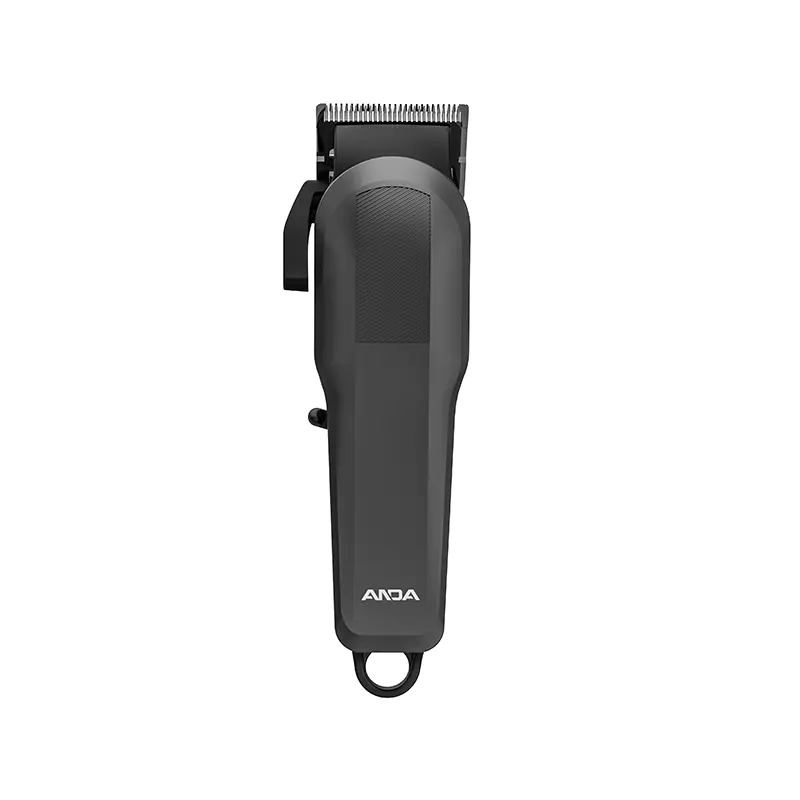
A short inspection before sending a clipper for repair can provide useful information about the problem. Knowing when the symptom appears and what happens immediately before it can make diagnosis easier.
Start with the parts that can be checked without opening the housing. Look at the blade assembly, power connection, switch and visible surfaces. Remove loose hair and check whether removable parts are correctly positioned.
A useful check can follow a simple order:
Recording the actual symptom also helps. “Not working well” gives little information, while “starts normally but begins pulling after several passes” provides a clearer starting point. Similar detail can be useful when the device produces an unusual sound only during cutting rather than while running without contact.
A repair decision should also consider whether the problem is repeatable. A single interruption may have a different cause from a fault that appears during every use. Repeated symptoms are easier to connect with a particular component or maintenance condition.
Maintenance needs change with use habits. A clipper used occasionally may require little attention beyond cleaning and suitable storage, while frequent household grooming creates more opportunities for hair and residue to build around moving parts.
Storage has an influence as well. Leaving a device in a damp area can affect surfaces and electrical components over time. Keeping the cutting area protected from unnecessary contact can reduce accidental damage when the device is not being used.
Routine checks do not need to become complicated. A user can pay attention to how the device sounds, feels and cuts during ordinary grooming. Changes become easier to notice when normal behavior is familiar.
Different symptoms can also appear at different stages of wear. Cutting problems may emerge before power problems, while loose parts can produce sound or vibration before cutting quality changes. For that reason, maintenance is better viewed as an ongoing process rather than a response to a complete breakdown.
A practical approach is to act when a noticeable change appears:
Maintenance also affects how household grooming equipment is designed and used. Easy access to removable cutting parts can make routine cleaning more manageable, while clear assembly instructions can reduce mistakes during reinstallation.
For a Hair Clippers Factory, user maintenance can provide useful information about product structure. Parts that regularly collect hair need practical access for cleaning. Cutting assemblies need stable positioning so routine removal and installation do not easily create alignment problems. Power sections need suitable protection from moisture and accidental contact.
Design decisions can influence the type of maintenance a household user performs. A device that allows simple cleaning may receive regular care, while difficult access can encourage users to postpone maintenance until cutting quality has already declined.
Manufacturing considerations therefore extend beyond how a clipper operates when new. Long-term use brings attention to cleaning access, part replacement, assembly stability and protection of internal components. Such factors also shape the instructions provided with household grooming equipment.
For users, the practical lesson comes from observing changes rather than waiting for complete failure. Pulling, uneven cutting, unusual noise, stronger vibration, increased heat and unstable power can each signal a need for attention. Cleaning may resolve problems caused by buildup, while persistent symptoms can point toward worn parts or internal faults that require repair.
Regular care does not need to be complicated. Keeping the cutting area clean, checking removable parts and responding to changes in normal operation can help prevent small maintenance issues from developing into larger equipment problems. A clear distinction between routine care and electrical or internal repair also makes household use safer and more manageable.
Recommended Products

No.377. Fourth Avenue, Binhai Park, Economic-Technological Development Zone, Wenzhou, Zhejiang, China.

+86-577-88912812

+86-577-88912822

anda1@andaelectric.com
anda6@andaelectric.com
anda7@andaelectric.com
Copyright © Zhejiang Anda Electric Co., Ltd. Rights Reserved.
Electric Hair Clipper Manufacturer



 English
 Español
 русский