Industry News
 2026.09.15
 Industry News
Shaving and waxing rely on completely different physical actions, which is part of why they feel so different in practice.
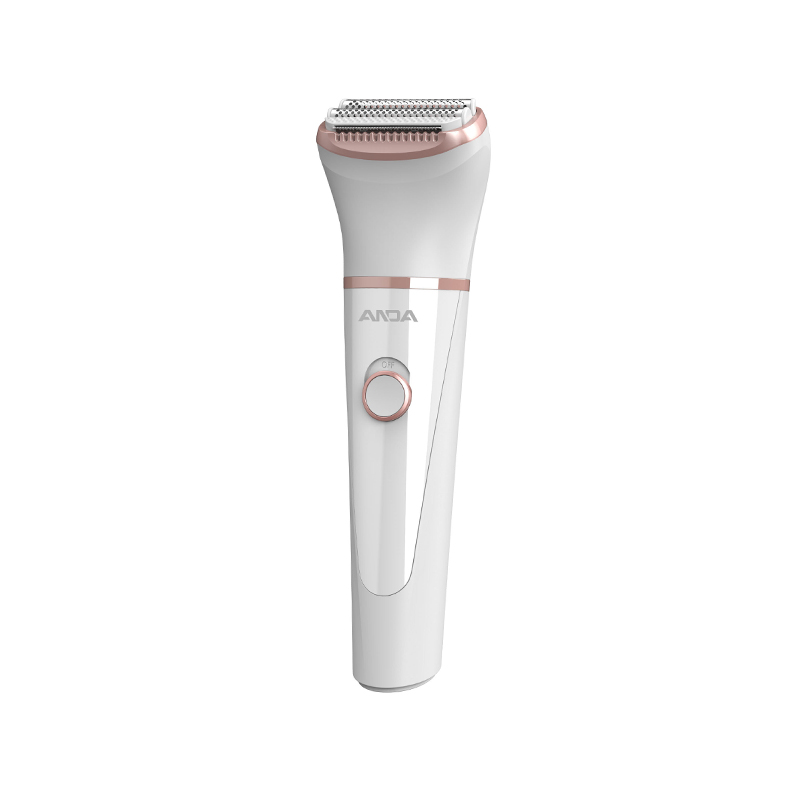
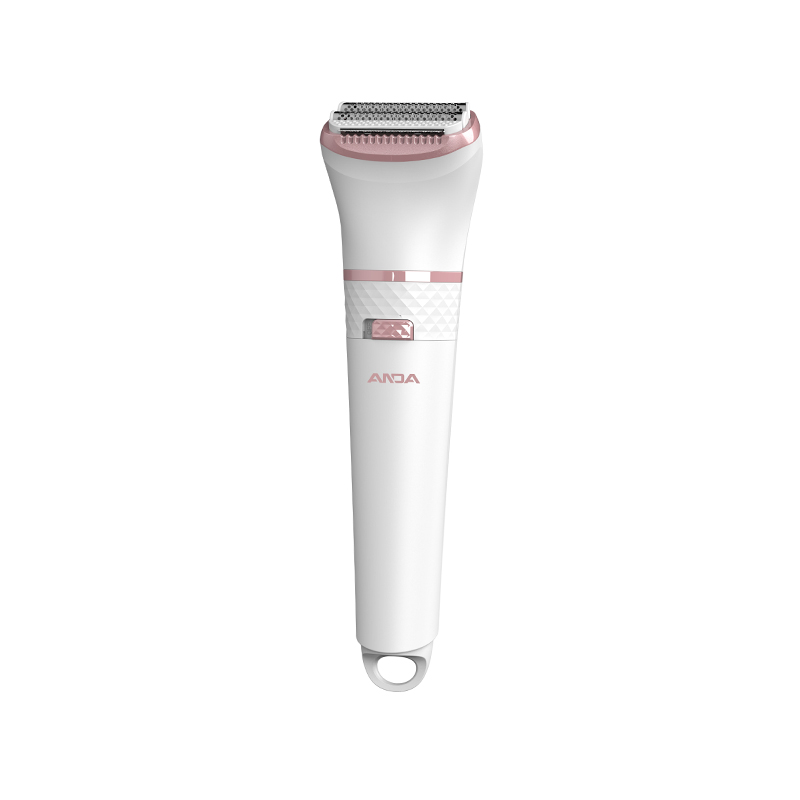
An electric lady shaver works by cutting hair close to the surface. A powered head moves within a protective guard, trimming hair without pulling it out. The hair root stays in place under the skin, so regrowth becomes noticeable fairly quickly since the hair is still there, just shorter.
Waxing works by adhesion. Wax is spread over the hair, allowed to set, then pulled away in one motion. Because the hair comes away closer to its base, regrowth timing looks different — though the pulling action itself creates a very different sensation on the skin compared to a blade passing over it.
Neither approach is simply a smaller or bigger version of the other. They interact with hair and skin in separate ways, and that's really the starting point for comparing them.
Handling and Movement
Pressing hard against the skin doesn't make the shaver work faster — it usually just increases friction. A light touch, letting the head glide along the skin's shape, tends to work better than pressing down. Curved areas like knees, ankles, or underarms benefit from a smaller head that can follow those contours without needing extra pressure to compensate.
Repeated passes over the same spot can feel tempting when a few hairs are missed, but going over already-treated skin repeatedly mostly adds friction without much additional benefit. A slower, more deliberate pass usually covers the area more evenly than rushing back and forth.
The USB Charging Factor
Charging through a USB cable instead of swapping batteries changes how the device fits into daily life. It can sit on a nightstand, get plugged in overnight, or travel in a bag without needing spare batteries tucked away somewhere. For people who use their shaver a few times a week rather than daily, this kind of convenience tends to matter more than it initially seems.
Some models are built for dry use only, while others handle water exposure during a shower routine. Checking this before use avoids a fairly common mistake — using a dry-only device in the shower can damage it or create a less reliable result.
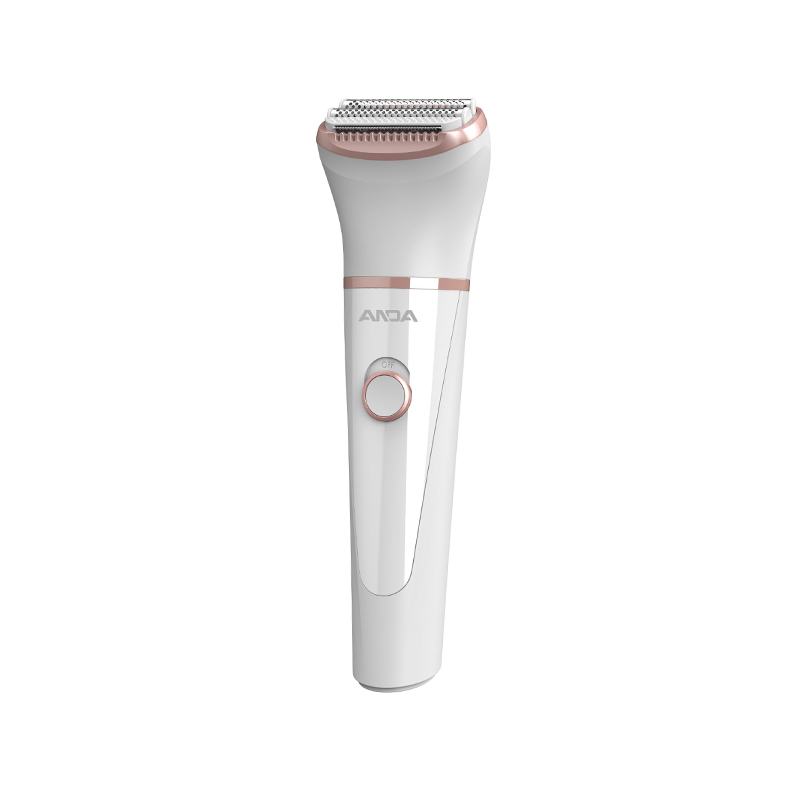
Waxing has a different rhythm entirely, built around preparation, application, and a quick pull.
Getting the Skin and Hair Ready
Hair needs to be a workable length — too short and the wax can't grip it properly, too long and the pulling motion becomes more uncomfortable than it needs to be. Skin also needs to be clean and free of lotions or oils that might stop the wax from adhering the way it should.
This preparation step is where waxing takes noticeably more time compared to shaving. There's no quick five-minute version of waxing the way there is with a shaver — the process has a sequence that's hard to skip.
Skin afterward often feels warm or slightly tender for a short period. Avoiding tight clothing, strongly scented lotions, or unnecessary rubbing right after waxing tends to help the skin settle faster.
| Aspect | USB Lady Shaver | Waxing |
|---|---|---|
| Main action | Cuts hair at the surface | Pulls hair from the base |
| Skin contact | Repeated gentle passes | Brief adhesion, then a quick pull |
| Prep time | Minimal — pick up and go | Requires clean, dry skin and correct hair length |
| Sensation | Mild friction, manageable pressure | Sharper, momentary pulling |
| Skin aftermath | Possible mild irritation from friction | Possible redness or tenderness |
| Charging/upkeep | USB rechargeable, low maintenance | Wax material needs to be replenished each use |
Looking at this alongside actual weekly habits makes the choice a bit clearer. Someone who wants a five-minute touch-up before heading out the door will likely lean toward a shaver simply because it fits into a rushed morning. Someone who has a set grooming day each week or two, with time set aside, might find waxing's longer process less disruptive since it's already built into their schedule.
Skin sensitivity plays a real role here too. Skin that reacts easily to friction — getting red or irritated from repeated contact — might respond better to shaving's lighter touch rather than waxing's pulling motion. On the other hand, skin that tolerates the sharp, brief sensation of waxing without much lingering redness might make waxing feel like less of an ordeal than it sounds.
Hair thickness and growth pattern matter as well. Finer hair often responds well to either method without much difference in comfort. Coarser or thicker hair can make waxing's pulling sensation more noticeable, while a shaver might need a few more careful passes to catch everything evenly.
The area being treated also shifts the calculation. Larger, flatter areas like legs or arms are relatively straightforward with either method. Smaller or more sensitive areas — underarms, for example — tend to highlight the differences between the two methods more sharply, since friction and pulling both feel more concentrated in a tighter space.
There isn't one method that fits every situation identically. Matching the choice to personal skin response, the time available in a given week, and the specific area being treated tends to produce a more comfortable outcome than picking one method and assuming it'll work the same way everywhere on the body.
When Shaving Makes Sense
A powered shaver works well for someone catching ten minutes before heading out the door. There's no wax to warm up, no waiting period for adhesion, no cleanup beyond rinsing the cutting head. If unwanted hair on the legs becomes noticeable the morning of an event, reaching for a shaver solves the immediate problem without much planning involved.
This makes shaving a reasonable fit for grooming that happens in small, frequent bursts rather than as a scheduled event. Someone who touches up their legs twice a week, in between other morning tasks, will likely find that rhythm easier to maintain with a shaver than with wax.
When Waxing Fits Better
Waxing asks for a different kind of time commitment. Skin needs prepping, wax needs applying evenly, and removal needs a steady hand. None of this works well when rushing — trying to wax in five minutes before running out the door usually ends with uneven results or unnecessary discomfort.
People who already treat grooming as a periodic ritual — a Sunday evening routine, for instance — tend to find waxing's slower pace less disruptive. The time investment fits naturally into a slot that already exists.
Where Body Area Changes the Calculation
Legs and arms are relatively forgiving for either method since there's more flat surface to work with. Underarms and areas near joints ask for more care regardless of which method is chosen — a shaver needs a smaller head to navigate the curve, while wax needs more precise application to avoid pulling skin along with the hair.
| Factor | Electric Shaving | Waxing |
|---|---|---|
| Setup before use | Check cutting head is clean | Prepare skin, warm or ready wax |
| During use | Direct, controlled passes | Apply, wait briefly, pull |
| Cleanup after | Rinse or brush cutting head | Remove leftover wax residue from skin |
| Storage needs | Compact, easy to tuck in a drawer | Requires space for wax and application tools |
| Travel practicality | Small device, simple to pack | Full setup less practical to carry |
The USB Charging Angle
A rechargeable shaver with USB charging solves a specific everyday annoyance — running out of battery mid-use or forgetting to buy replacements. As long as a compatible charging source is available, the device can sit ready in a drawer or travel bag without much thought. This matters more than it sounds for people who don't use their shaver daily but want it functional whenever they do reach for it.
Waxing doesn't have quite the same "grab and go" quality. Even a compact waxing kit involves more moving parts, and materials sometimes need to be at a workable temperature or consistency before application, which limits how spontaneously it can be used.
Skin doesn't always respond predictably, and the same method can feel completely different from one person to the next.
Preparing Skin for Waxing
Skin that's already irritated, freshly sunburned, or unusually reactive isn't in a great position to tolerate a pulling motion. Waiting until the skin settles before attempting waxing avoids compounding one irritation with another.
Afterward, a bit of restraint helps — skipping tight clothing over the treated area for a while, avoiding strongly scented lotions right away, and generally giving the skin a short window before it faces more friction or pressure.
A Few Habits Worth Keeping Regardless of Method
There's no single answer that applies evenly across people — the practical fit depends on how someone actually lives day to day, not just which method sounds more effective on paper.
A few questions tend to clarify things quickly:
A USB lady shaver tends to suit people who want grooming folded into small pockets of time, with minimal setup and easy portability. Waxing tends to suit people who don't mind a longer process every so often, particularly when the aftercare and preparation don't feel like a burden.
Neither method needs to be treated as a permanent decision. Skin condition changes with seasons, hair growth patterns shift, and daily schedules rarely stay the same for long stretches. What actually matters is whether the chosen method can be handled comfortably, with enough attention paid to how the skin responds, rather than sticking with one approach simply out of habit.
Recommended Products

No.377. Fourth Avenue, Binhai Park, Economic-Technological Development Zone, Wenzhou, Zhejiang, China.

+86-577-88912812

+86-577-88912822

anda1@andaelectric.com
anda6@andaelectric.com
anda7@andaelectric.com
Copyright © Zhejiang Anda Electric Co., Ltd. Rights Reserved.
Electric Hair Clipper Manufacturer



 English
 Español
 русский