Industry News
 2026.09.11
 Industry News
Body hair removal is closely related to skin condition. A shaving method that feels comfortable on one type of skin may need some adjustment on another. Dryness, oiliness, temporary irritation, and natural sensitivity can all influence how the skin responds during grooming.
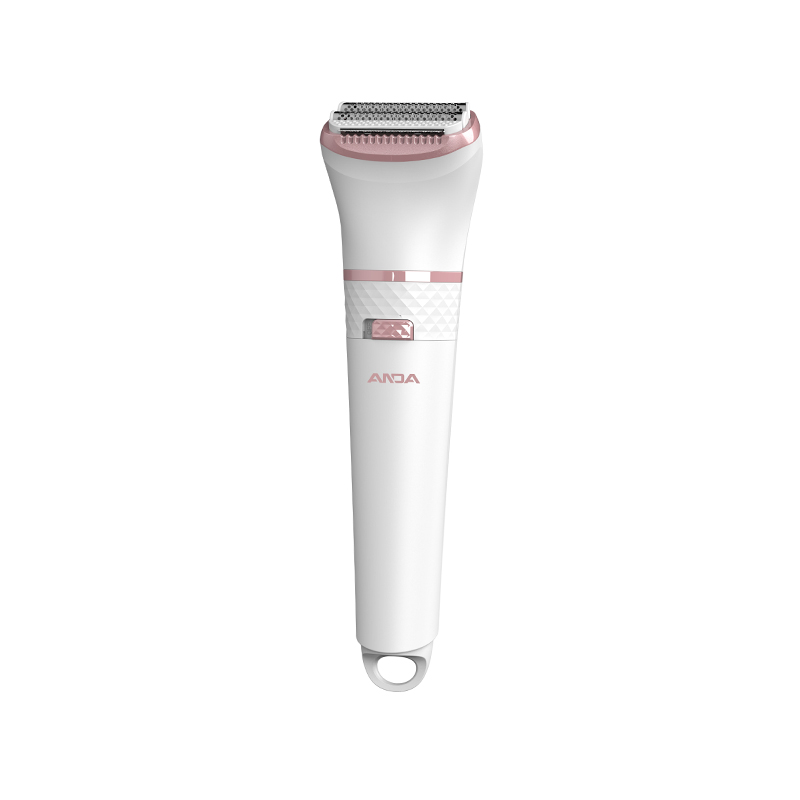
A USB Lady Shaver can be used as part of body hair care for different skin types, although the way it is handled may need to change. Clean skin, suitable pressure, steady movement, and the right shaving condition can make the process easier to manage. Paying attention to the current state of the skin is often more useful than relying only on a general skin-type label.
Normal skin usually presents fewer concerns during routine hair removal, yet basic preparation still matters. A clean surface allows the shaving head to move without unnecessary residue from sweat, lotion, body oil, or other skincare products.
Dry shaving may be convenient when the skin feels calm and comfortable. The device can be moved slowly across the body while keeping contact light. Strong pressure is rarely necessary, especially on broad areas such as the legs and arms.
Body shape should also be considered. Knees, ankles, and other curved areas can require smaller movements because the skin does not remain flat. Moving steadily rather than repeatedly correcting the same area can help reduce friction.
A simple routine is often enough:
Normal skin therefore does not require complicated preparation. Consistent handling is generally more useful than adding unnecessary steps.
Dry skin can be shaved, although surface condition deserves closer attention. Skin that feels tight, rough, or flaky may become uncomfortable when exposed to repeated contact.
There is also a difference between naturally dry skin and skin that has temporarily lost comfort because of frequent washing, hot water, environmental conditions, or personal-care routines. A person with normally comfortable skin may still experience dryness before a particular shaving session.
Checking the skin before grooming is a useful habit. Areas that already show irritation or feel unusually uncomfortable may need time to settle. Shaving over an unsettled surface can add friction without solving the underlying problem.
During grooming, lighter pressure can be helpful. Repeated passes should also be limited because returning to the same area several times may increase discomfort. Longer hair can sometimes require more movement, so keeping the hair at a manageable length may make the process easier.
After shaving, dry skin may benefit from a suitable moisturizer. The purpose is to maintain a comfortable skin surface rather than compensate for aggressive shaving.
Sensitive skin calls for more careful handling rather than an automatic decision to avoid electric shaving. Skin sensitivity can also vary between body areas. The legs may feel comfortable while the underarms or bikini area may react more easily to friction.
Before shaving, check for visible redness, small cuts, irritation, or an unusual burning sensation. When the skin is already uncomfortable, postponing grooming can be more appropriate than repeatedly passing a shaving head over the affected area.
Movement should remain slow and controlled, with only enough pressure to maintain contact. Curved areas deserve particular attention because pressing harder can increase friction when trying to follow the shape of the body.
Sensitive skin may also respond differently depending on hair direction. Following natural growth can feel different from moving against it, so a gentle approach allows the response of the skin to guide the technique.
Product instructions remain important for sensitive areas. A body shaver should not automatically be used on every part of the body simply because it is designed for personal grooming. Permitted areas and suitable attachments should be checked before use.
Oily skin creates a different type of concern. Natural oil, sweat, and skincare residue can remain on the surface and influence how the shaving head moves.
The presence of oil does not make shaving unsuitable by itself. A greater concern is a surface covered with lotion, body oil, or other residue that may interfere with consistent contact. Washing the area before grooming can provide a cleaner surface.
The shaving head also needs attention. Hair, skin residue, and oil can collect around its working parts during repeated use. Cleaning the components according to the product instructions helps maintain a suitable surface for later grooming.
Oily skin can vary across the body as well. One area may remain relatively dry while another retains more moisture or oil. Adjusting preparation according to the condition of each area can therefore be more practical than following one routine for the entire body.
Wet and dry shaving create different conditions for the skin and hair. Dry use may be suitable when the skin is comfortable and the device is designed for that method. It can also fit situations where grooming needs to be done without water.
Wet shaving may feel different because water changes the condition of both the hair and skin surface. Some people with dry or sensitive skin may prefer this approach, while others may find dry grooming easier to control.
One point should not be overlooked: USB charging does not indicate water resistance. A rechargeable device should only be used with water when the manufacturer's instructions specifically permit wet use. The same principle applies to washing or rinsing the device after grooming.
Skin type can help guide the choice, yet the current condition matters just as much. Normal skin may tolerate either method comfortably, while dry or sensitive skin may require more attention to friction and preparation. Oily skin may benefit from careful cleansing before either approach.
The practical question is therefore not simply whether one shaving method suits a particular skin type. It is whether the skin is currently comfortable, whether the device permits the chosen method, and whether the shaving process can be carried out without unnecessary pressure or repeated contact.
| Skin Condition | Possible Concern | Preparation | Shaving Approach |
| Normal | Minor friction | Clean skin | Steady movement |
| Dry | Tight or rough feeling | Keep the surface comfortable | Light pressure |
| Sensitive | Increased discomfort | Check for irritation | Slow, controlled strokes |
| Oily | Surface residue | Clean before use | Maintain a clean shaving head |
Skin type gives a general idea of how the skin may respond to grooming, yet the condition of the skin on a particular day can matter just as much. Even skin that is usually comfortable may become unsuitable for shaving after friction, excessive washing, or another grooming routine.
A quick check before use can prevent unnecessary irritation. Redness, small cuts, rough patches, swelling, or a burning feeling are signs that the surface may need more time before hair removal. Areas affected by recent exfoliation or other treatments may also feel more delicate than usual.
Cleanliness is another simple consideration. Sweat, cosmetic residue, and body-care products can remain on the skin and change the way the shaving head moves. Washing the area and preparing it according to the selected shaving method gives the device a cleaner surface to work across.
The condition of the shaving head deserves attention as well. Hair and residue can collect around the cutting area, especially when the device is used regularly. A quick inspection before grooming can reveal whether the head needs cleaning.
Rather than following the same routine every time, it can be useful to ask a few simple questions:
Those checks take little effort, yet they can change whether shaving feels comfortable on a particular day.

Skin condition is only part of the shaving process. Hair length also affects how much contact and movement may be required.
Short, fine hair can often be handled with steady strokes. Longer hair may require more passes or a different preparation step, which can increase contact with the skin. For dry or sensitive skin, unnecessary contact can be particularly uncomfortable.
Trimming longer hair before shaving may therefore be useful when the product instructions allow it. Reducing the amount of hair that needs to be handled at once can make movement easier and help avoid repeatedly returning to the same area.
Hair direction also deserves some attention. Body hair does not always grow in one consistent direction. Underarms and the bikini area, for example, can have changes in growth direction across a relatively small surface. Moving without paying attention to those changes may help to repeated passes when trying to remove remaining hair.
A better approach is to work gradually. Start with a controlled movement and observe the result rather than immediately increasing pressure. When hair remains, changing the direction of movement may be more useful than pressing the device harder.
For dry skin, the aim is to keep contact comfortable. With sensitive skin, avoiding repeated friction becomes even more important. Oily skin may require additional cleaning before and after grooming, while normal skin may need fewer adjustments.
Hair length and skin type therefore work together. Neither factor needs to be considered in isolation.
A consistent shaving habit does not have to mean using exactly the same technique on every person or every body area. Small changes can make the process more suitable for different skin conditions.
Normal skin can generally be handled with a straightforward routine. Clean the area, keep the device under light control, and move across the skin without unnecessary repetition.
Dry skin may benefit from fewer passes and careful attention to friction. Preparing the skin in a way that maintains comfort can be helpful, while post-shaving moisturization may support a less tight feeling.
Sensitive skin needs closer observation. Gentle pressure and slower movement give more control, especially around areas where the skin is thinner or naturally exposed to friction. Shaving should stop when irritation begins rather than continuing in an attempt to remove every remaining hair.
Oily skin benefits from a clean surface. Removing excess oil, sweat, and skincare residue before grooming can make movement more consistent. Cleaning the shaving head afterward is equally important.
Combination skin may require different treatment across different areas. There is no need to assume that the legs, underarms, and bikini area will have identical conditions. The routine can be adjusted according to what each area actually feels like.
Such differences are relatively small, yet they can have a noticeable effect on comfort. The aim is not to create a complicated grooming process. It is simply to avoid treating every skin condition as though it behaves in exactly the same way.
The suitability of a shaving device depends on more than its charging method or general product category. Features that affect skin contact, movement, cleaning, and permitted areas are more relevant when considering different skin conditions.
A shaving head should allow controlled contact with the skin. Protective elements around the cutting area can also influence how the device feels during use. For sensitive skin, the way the head meets the surface may be particularly important because unnecessary friction can quickly become uncomfortable.
Wet and dry compatibility is another point to check. Someone with dry or sensitive skin may prefer one method over another, while oily skin may call for careful cleansing before either approach. The device should only be used in the conditions stated by its manufacturer.
Easy cleaning also has practical value. Residue from hair, skin, oil, or grooming products can accumulate over time. Keeping the shaving components clean supports a more hygienic routine and helps prevent old residue from affecting the next use.
USB charging mainly describes how the device receives power. It does not by itself indicate whether a shaver is suitable for a certain skin type, whether it can be used in the shower, or whether it can be rinsed under water. Those characteristics need to be considered separately.
For this reason, choosing a suitable device is less about finding a model for one fixed skin category and more about checking whether its design matches the intended body areas, shaving conditions, and handling habits.
A single shaving routine may work reasonably well for some people, yet it cannot account for every skin condition or every body area. Skin can change with daily activities, personal-care routines, weather, and recent grooming, while hair can also vary in length and direction.
Someone with normally comfortable skin may experience dryness after bathing. A person with oily skin may have a cleaner, drier surface after washing. Sensitive areas can also behave differently from less exposed parts of the body. Such changes make rigid rules less useful.
A practical approach is to treat skin type as a starting point rather than a final answer. The current condition of the surface, hair length, shaving method, and body area can all guide the way the device is handled.
A USB Lady Shaver may therefore work across different skin types when the device is appropriate for the intended use and the shaving routine is adjusted to the condition of the skin. Normal skin may require little modification, while dry, oily, or sensitive skin can benefit from more attention to preparation and contact.
Good shaving habits come from observing the skin rather than forcing every situation into the same routine. Clean preparation, controlled movement, suitable wet or dry use, and timely cleaning of the device form a practical foundation for comfortable body grooming.

No.377. Fourth Avenue, Binhai Park, Economic-Technological Development Zone, Wenzhou, Zhejiang, China.

+86-577-88912812

+86-577-88912822

anda1@andaelectric.com
anda6@andaelectric.com
anda7@andaelectric.com
Copyright © Zhejiang Anda Electric Co., Ltd. Rights Reserved.
Electric Hair Clipper Manufacturer



 English
 Español
 русский