Industry News
 2026.09.04
 Industry News
A hair clipper may appear to work in the same way for a long period, although the condition of its blade can gradually change with regular use. Cutting edges come into contact with hair, skin oils, loose hair, cleaning products, and moisture, so the surface does not remain unchanged during repeated grooming.
For Home Use Hair Clippers, blade condition affects how smoothly hair passes through the cutting area. A blade in good working condition can move through hair with steady contact, while a worn edge may require several passes over the same section. Pulling or catching can become noticeable as well, especially when hair is thicker or longer.
Blade replacement should not be confused with routine cleaning. Hair and residue can collect around the moving parts and create resistance, making a clipper feel less comfortable even when the blade itself is still usable. Cleaning may solve such a problem without requiring a replacement.
Physical wear presents a different situation. Once the cutting edge has changed noticeably, cleaning alone cannot restore its original condition. Checking the blade from time to time helps separate a maintenance issue from a genuine replacement need.
There is no single replacement schedule that suits every household. A clipper used occasionally will naturally experience a different amount of blade contact from one used frequently by several people.
Hair characteristics can influence wear as well. Coarse or dense hair creates more contact with the cutting surfaces during each grooming session. Softer or finer hair may place a different level of demand on the blade.
Care habits matter throughout the period of use. Hair left around the cutting area can interfere with movement, while moisture that remains on the blade may affect its surface over time. Storage can influence the condition too, particularly when a clipper is put away before it has been cleaned and dried.
Handling also plays a part. Pressing a clipper heavily against the head does not necessarily improve cutting. Unnecessary pressure can increase contact between the blade and the skin while placing additional strain on the moving parts.
Several conditions can therefore affect replacement timing:
Looking at actual blade condition is generally more useful than relying on a fixed calendar routine.
Changes in cutting behavior often provide an early indication that a blade needs attention. Hair that used to pass through smoothly may begin to catch or pull, causing the user to slow down or repeat the same movement.
Uneven cutting can provide another clue. A section may require several passes even though the clipper appears to be running normally. Such a change does not automatically mean the blade needs replacing, since accumulated hair or poor cleaning can produce similar symptoms.
Sound and movement may change as well. A clipper that suddenly feels rough during operation may need cleaning before any part is replaced. Checking the blade after cleaning can help narrow down the cause.
Visible condition should not be ignored. Scratches, damaged edges, unusual gaps, or signs of physical wear deserve attention, particularly when cutting results have changed at the same time.
| Sign During Use | Possible Cause | What To Check |
|---|---|---|
| Hair catches or pulls | Blade wear or residue | Clean and inspect the cutting area |
| Cutting feels uneven | Blade condition or buildup | Check the edge and remove loose hair |
| Movement feels rough | Dirt or insufficient care | Clean the moving section |
| Blade looks damaged | Physical wear | Consider replacing the damaged part |
| More passes are needed | Reduced cutting efficiency | Compare with normal past use |
Cleaning is a simple part of clipper care, although it is often overlooked after a quick grooming session. Small pieces of hair can remain between the cutting surfaces, around the edges, or near moving sections. As buildup increases, blade movement may become less smooth.
Removing loose hair after use keeps the cutting area easier to inspect. A suitable cleaning brush can help clear narrow spaces without applying unnecessary force. Washing should only be done when the clipper design allows it, since moisture can affect parts that are not intended to get wet.
Drying matters as well. A clean blade that remains damp during storage may develop surface problems over time. Allowing moisture to leave the cutting area before putting the clipper away is a simple habit that supports routine maintenance.
Cleaning cannot correct physical wear. When the cutting edge has become damaged or noticeably changed, repeated cleaning will not return it to its earlier condition. At that stage, continued use may create an uncomfortable grooming experience.
Blade movement depends partly on how smoothly the cutting surfaces work against each other. Without suitable lubrication, friction can increase, making movement feel less fluid during use.
A small amount of appropriate blade oil can help maintain smoother movement during regular grooming. Too much oil, however, can attract loose hair and create residue around the cutting area, so excess should be removed rather than left sitting on the surface.
Lubrication should normally follow cleaning rather than replace it. Dirt trapped beneath an oily surface can remain in place and continue affecting blade movement.
For Home Use Hair Clippers, a simple care sequence is easier to maintain:
Regular care can slow the buildup of residue and make changes in blade condition easier to notice, giving users a clearer basis for deciding when replacement is actually needed.
How often a clipper is used has a direct connection with blade wear, although frequency alone does not determine when a replacement is needed. A person who trims hair occasionally may keep the same blade for a longer period, while regular grooming creates more contact between the cutting surfaces.
Shared household use can change the situation again. Several people may use one clipper for different hair types, and each session adds another period of blade movement. Hair that is dense or difficult to cut may require slower movement and repeated passes, creating more contact during use.
Storage habits can influence the condition between grooming sessions as well. A clipper left with hair around the blade or moisture on its surface may develop problems even during periods when it is not being used.
For Home Use Hair Clippers, checking the blade after use can be more practical than replacing it according to a fixed schedule. Signs such as pulling, uneven cutting, or visible damage provide useful information about its actual condition.
A worn blade may continue to operate, so replacement can sometimes be delayed without an obvious breakdown. Cutting quality may gradually change instead, with hair becoming harder to pass through smoothly.
Pulling is one of the changes that can make grooming uncomfortable. Rather than cutting hair cleanly as it moves through the cutting area, a worn edge may catch individual strands. Users may respond by pressing harder or moving the clipper repeatedly across the same area, which can make the process less comfortable.
Uneven results can appear as well. One section may look shorter than another even though the same movement has been used. Repeated passes can sometimes improve the appearance, although spending more time on the same area does not address a damaged cutting edge.
A worn blade may affect other parts of the clipper through continued use. Extra resistance can place more demand on the moving mechanism, while excessive pressure during grooming can create additional strain.
Once a blade shows clear physical damage or continues to cause pulling after proper cleaning and care, replacing the affected part becomes a practical option.
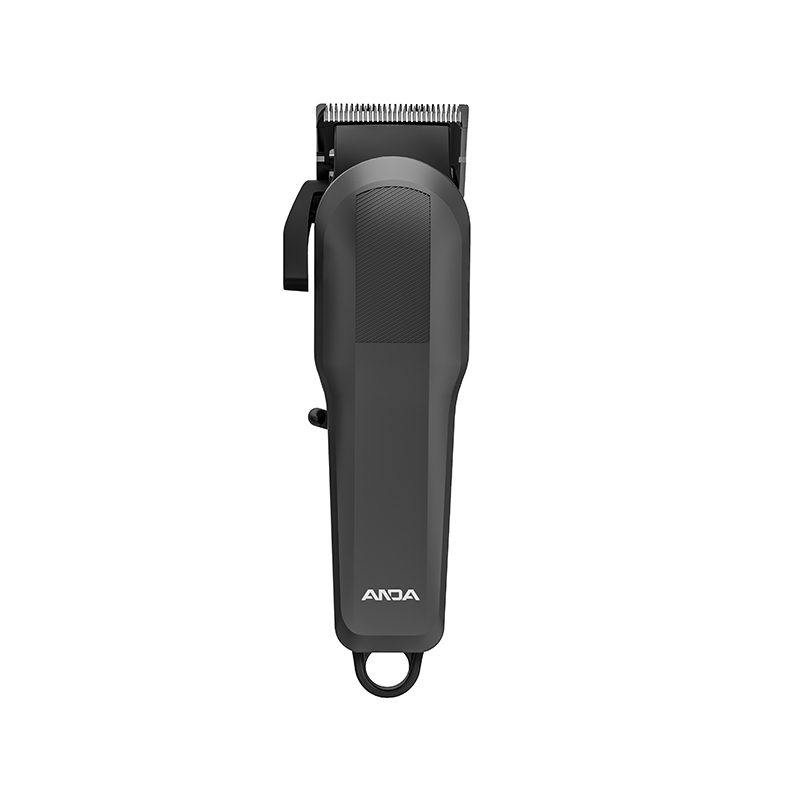
A replacement blade needs to match the clipper rather than simply fit into a similar‑looking housing. Size, attachment points, blade shape, and the way moving sections connect can differ between clipper designs.
Checking compatibility before purchasing helps avoid a replacement that cannot be installed correctly. Information supplied with the original clipper can be useful when identifying the appropriate part.
The intended grooming task deserves attention too. A blade designed for general hair trimming may have different characteristics from one intended for a different type of grooming work. Choosing according to the actual use makes routine operation easier to manage.
Material and construction details can provide additional information, although practical compatibility remains important. A blade that does not sit correctly can affect cutting movement even when its surface appears suitable.
Before replacing a blade, it is useful to check:
A replacement should restore normal operation without requiring changes that the clipper was not designed to support.
A Hair Trimmer Supplier needs to consider how a blade will be handled during ordinary home grooming rather than focusing only on cutting action. Users may clean the blade after different intervals, store the clipper in different conditions, and work with different hair textures.
Ease of maintenance can therefore influence everyday use. A cutting area that can be cleaned without complicated steps makes it easier to remove loose hair and inspect the blade regularly.
Compatibility matters throughout production as well. Blade dimensions and attachment points need to correspond with the clipper structure so that replacement parts can be installed without unnecessary adjustment.
Clear care information can help users maintain the blade properly. Instructions covering cleaning, drying, lubrication, storage, and replacement signs give households a practical reference when the clipper begins to behave differently.
A useful blade design also needs to account for repeated movement. Stable contact between the cutting sections can help maintain consistent operation during normal grooming, while the surrounding structure needs to remain suitable for cleaning and routine handling.
Rather than treating blade replacement as an isolated issue, suppliers can consider how the blade fits into the complete life of a home clipper.
Blade care begins with simple habits that fit naturally into a grooming routine. Removing loose hair after use keeps the cutting area clearer, making it easier to see whether any unusual wear has appeared.
A dry storage location can help protect the blade between uses. Moisture left around the cutting surfaces should be removed before storage, especially when the clipper has been cleaned.
Pressure during clipping deserves attention as well. Pushing harder does not necessarily compensate for a blade that needs cleaning or replacement. Light, controlled movement allows users to notice changes in cutting behavior without placing unnecessary force on the clipper.
Regular inspection can prevent small problems from being overlooked. A quick check may reveal hair buildup, loose parts, surface damage, or changes in the cutting edge before the next grooming session.
For Home Use Hair Clippers, blade replacement is therefore better viewed as part of ordinary maintenance rather than as a task tied to a fixed date. Cleaning, drying, proper storage, suitable lubrication, and careful handling can help users make better decisions about when a blade actually needs to be changed.
When cutting remains smooth and the blade shows no clear signs of damage, replacement may not be necessary simply because the clipper has been used for a certain period. Once cleaning and routine care no longer resolve pulling, uneven cutting, or visible wear, a compatible replacement blade can provide a more suitable way to restore normal use.

No.377. Fourth Avenue, Binhai Park, Economic-Technological Development Zone, Wenzhou, Zhejiang, China.

+86-577-88912812

+86-577-88912822

anda1@andaelectric.com
anda6@andaelectric.com
anda7@andaelectric.com
Copyright © Zhejiang Anda Electric Co., Ltd. Rights Reserved.
Electric Hair Clipper Manufacturer



 English
 Español
 русский