Industry News
 2026.09.08
 Industry News
A pet clipper may look like a simple grooming tool, yet its cutting result depends greatly on how the blade assembly works with the coat. A Rechargeable Pet Clipper normally uses a pair of closely fitted blades, with one section remaining steady while another moves across it. Fur enters between the teeth, and the repeated movement separates it as the clipper passes through the coat.
Blade shape, tooth spacing, cutting length, and contact between the two sections can all change how fur moves through the cutting area. A narrow tooth arrangement may handle fine hair differently from a wider arrangement designed to allow thicker strands to enter more easily.
Coat condition also has a strong influence. Clean, dry, brushed fur usually moves through a blade more smoothly than damp or tangled hair. Long fur may need to be loosened before clipping so that knots do not collect around the teeth.
Selection therefore starts with the coat rather than the appearance of a clipper. Useful points include:
An Electric Pet Grooming Clipper follows a similar basic cutting principle, even though different models may use different blade arrangements. Cordless operation changes how the tool is moved around an animal, while blade design continues to determine how fur enters and leaves the cutting area.
Inside a clipper head, two rows of teeth work closely together. One row remains in position while another moves back and forth across it. As fur passes between the teeth, moving edges meet the steady cutting surface and separate the strands.
To work smoothly, both parts need to remain properly aligned. Excessive movement between the blade sections can make cutting less even, while a blade that does not move freely may pull at the coat rather than passing through it cleanly.
Tooth spacing also affects how fur enters the cutting area. Fine fur can pass through narrow spaces relatively easily, while thick or dense coats may need more room around the teeth. Long strands can also gather in front of the blade when a coat has not been brushed beforehand.
Cutting performance is therefore linked to several small details working together. Blade movement, tooth shape, spacing, surface condition, and coat preparation all influence the way fur is handled.
A clipper head also needs to remain clean during use. Fur particles can gather between teeth and gradually restrict movement. Brushing away loose hair during grooming can help keep the cutting area open and make later cleaning easier.
Short, fine fur usually lies relatively close to the skin, so blade contact needs to remain controlled. A blade with closely arranged teeth can allow fine strands to enter the cutting area without leaving large gaps between individual teeth.
Skin contact requires care around sensitive areas. Face, ears, paws, and other smaller regions often provide less room for broad movements, making a compact cutting head easier to control. Gentle handling matters as much as blade selection because loose skin can move toward the cutting area.
Fine fur may also contain dust, oil, or small particles that collect close to the skin. Cleaning the coat before grooming can reduce the amount of material entering the blade assembly.
Short coats generally call for attention to:
A Rechargeable Pet Clipper can be convenient for such work because movement is not restricted by a power cable. Even with cordless operation, careful positioning remains necessary around delicate areas.
Long or thick fur creates a different challenge because more hair reaches the cutting head at once. Dense sections may press against the teeth and slow the movement of fur through the blade.
A wider tooth arrangement can provide more room for thick strands to enter. Blade width alone, however, does not determine whether a cutting head will handle a long coat comfortably. Fur condition, length, density, and preparation all have an effect.
Brushing before clipping can make a noticeable difference. Knots and compacted sections can block the blade, causing fur to gather around the teeth instead of moving through them. Working through a coat gradually can also make it easier to maintain steady contact.
Long coats may benefit from a preparation routine such as:
An Electric Pet Grooming Clipper may be used with different blade arrangements depending on its construction. Matching the cutting head to coat condition remains more useful than choosing according to the tool's appearance alone.
Spacing between blade teeth affects how fur enters the cutting area. Narrow gaps can suit fine strands, while wider openings may allow thicker hair to pass into the moving section with less resistance.
A gap that is too small for a dense coat may allow fur to collect near the blade instead of moving through it smoothly. A wider arrangement may handle thicker hair differently, although cutting length and coat preparation still need to be considered.
Tooth spacing also affects how much fur reaches the cutting edge during each movement. For grooming around smaller areas, a finer arrangement may offer more control. Larger sections of dense coat may call for a blade that allows hair to enter without excessive buildup.
Blade selection can therefore be viewed as a balance between coat characteristics and grooming purpose rather than a simple choice based on tooth size.
| Coat Condition | Blade Consideration | Grooming Focus |
|---|---|---|
| Short Fine Fur | Closer tooth arrangement | Controlled contact |
| Long Loose Fur | Suitable spacing for longer strands | Smooth hair entry |
| Thick Dense Fur | More room between teeth may help | Prevent hair buildup |
| Tangled Fur | Prepare coat before clipping | Reduce pulling |
| Small Grooming Area | Compact cutting area | Careful movement |
A blade works as part of a complete grooming process. Coat preparation, cutting direction, blade cleanliness, and movement all contribute to how comfortably fur passes through the cutting head. Choosing a suitable blade therefore begins with observing the coat and the area being groomed rather than focusing on one blade feature alone.
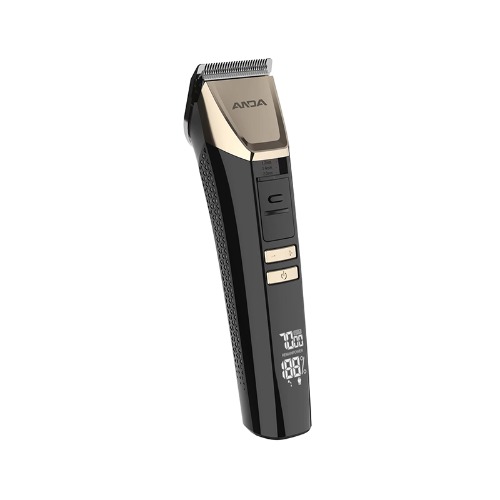
Blade shape is only one part of fur cutting. Coat condition can change how easily hair enters the cutting area, even when the same blade is used. Clean, dry, brushed fur usually moves more freely than hair carrying dirt, oil, moisture, or knots.
Long hair can gather around the teeth when loose strands are not separated beforehand. A tangled section may resist the blade and create pulling during movement. Brushing the coat before clipping helps separate the strands and makes the cutting path easier to control.
Moisture can also change the feel of a coat. Damp hair tends to gather together, which may make it harder for individual strands to pass through the teeth. Allowing the coat to dry naturally before grooming can make the cutting process easier when the grooming routine allows it.
Different areas of the body may also have different coat conditions. Hair around the legs, ears, tail, and belly can vary in length and density, so one blade setting may not suit every area equally well.
Before clipping, attention can be given to:
A clean blade still needs suitable fur preparation. Likewise, a suitable blade cannot fully compensate for heavily tangled or poorly prepared hair.
Cordless operation allows a clipper to move around the animal without a power cable following behind. Such freedom can be useful when grooming requires changes in position, especially around legs, tails, body contours, and smaller areas.
Different grooming areas call for different movements. A broad body section may allow longer passes, while an area near an ear or paw requires shorter and more controlled movements. Blade size can influence how easily the cutting head fits into each space.
Weight and grip also matter during longer grooming sessions. A tool that is easy to reposition can reduce the need to twist the wrist or repeatedly change hand position. Comfortable handling becomes more noticeable when several areas need attention in one session.
An Electric Pet Grooming Clipper can offer similar cutting functions, although corded and rechargeable designs create different movement conditions. Blade choice remains connected to fur type rather than the power source alone.
A practical grooming arrangement may consider:
A rechargeable design can make movement around a fixed grooming position simpler, while blade construction continues to determine how hair is actually cut.
Different blade designs can be used with some Electric Pet Grooming Clipper constructions. A replaceable cutting head allows grooming equipment to be adjusted according to coat length, hair condition, or the area being trimmed.
Compatibility needs attention before changing a blade. Cutting heads are not necessarily interchangeable across different structures, and an unsuitable connection may affect alignment or movement.
After a blade has been attached, a basic inspection can help confirm that both sections sit correctly and move without unusual resistance. Loose installation may affect cutting and can also cause unnecessary wear.
Blade replacement can be useful when grooming needs change. A shorter cutting arrangement may suit one task, while a different tooth spacing may be more appropriate for longer or denser fur.
Regardless of blade type, regular cleaning remains necessary. Hair caught between moving parts can restrict movement and make the cutting process less comfortable.
Blade selection becomes easier when the coat and grooming area are considered together. Fur length gives an initial indication of the cutting range, while thickness and density provide more information about how easily hair can enter the teeth.
Desired hair length also matters. A blade intended for close trimming will not necessarily provide the same result as one designed to leave more coat in place.
Before selecting a blade, several points can be checked:
Blade condition should also be part of the decision. A worn or damaged cutting edge may not behave like a blade in good condition, even when both have the same basic design.
For a Rechargeable Pet Clipper, blade selection and battery condition are separate concerns. Cordless operation affects how the tool moves, while blade design affects how fur passes through the cutting head. Both areas deserve individual checks before grooming begins.
Hair tends to collect around blade teeth after grooming, particularly when working with long or dense coats. Removing loose fur soon after use makes later cleaning easier and helps keep the cutting area clear.
A small brush can be used to remove hair from accessible spaces. Remaining particles around narrow gaps may require closer attention, although forceful scraping can damage a blade surface.
Moisture should also be kept away from areas that are not designed for water exposure. After cleaning, blade parts need to be dried according to their construction before storage.
Regular inspection can reveal changes that are difficult to notice during grooming. Bent teeth, rough edges, unusual movement, or loose connections may indicate that a blade needs attention rather than continued use.
Simple care can follow a natural routine:
A Rechargeable Pet Clipper can work with different grooming conditions when blade choice is based on fur length, density, texture, and grooming area. A suitable blade does not depend on one feature alone. Coat preparation, careful handling, blade cleanliness, and regular condition checks all contribute to a smoother grooming routine.
Recommended Products

No.377. Fourth Avenue, Binhai Park, Economic-Technological Development Zone, Wenzhou, Zhejiang, China.

+86-577-88912812

+86-577-88912822

anda1@andaelectric.com
anda6@andaelectric.com
anda7@andaelectric.com
Copyright © Zhejiang Anda Electric Co., Ltd. Rights Reserved.
Electric Hair Clipper Manufacturer



 English
 Español
 русский