Industry News
 2026.09.01
 Industry News
Pet grooming tools have changed as grooming routines have become more varied. A manual comb remains useful for removing loose hair, separating small tangles, and keeping a coat in order. Powered equipment serves a different purpose, especially when fur needs trimming rather than simple combing.
A price difference between the two types of tools can seem surprising when viewed only from the outside. A comb has a simple structure, while a powered grooming device contains several working parts that need to operate together. Power storage, moving cutting components, switches, housing, and charging parts all add to the construction process.
Pet behavior adds another part to the discussion. Grooming is not only about removing or shortening fur. Sound, movement, pressure, and handling can affect how an animal responds. Some pets remain calm around a powered tool, while others feel more comfortable with a quiet manual option.
For that reason, choosing grooming equipment involves more than comparing purchase prices. Grooming needs, pet behavior, daily handling, and maintenance all influence whether a particular tool fits a household routine.
A manual comb depends entirely on hand movement. Teeth pass through the coat, helping separate hair and remove loose strands. Grooming speed and pressure come directly from the person holding it, so the process can be adjusted from one area of the coat to another.
Powered equipment works differently. A small motor moves the cutting parts, allowing the user to trim hair through repeated mechanical movement. Such a design requires more components and closer coordination between them.
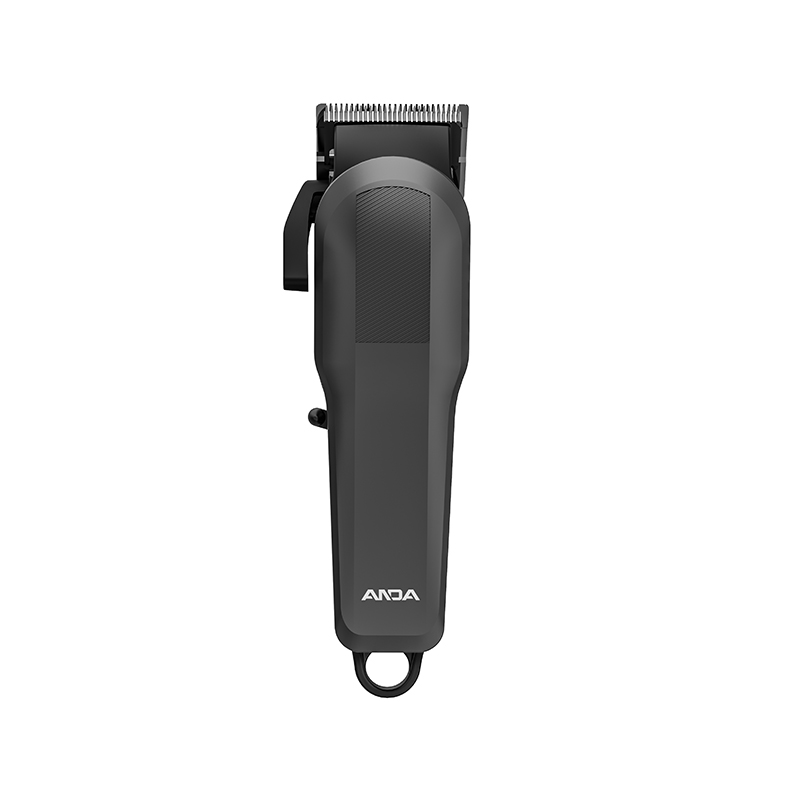
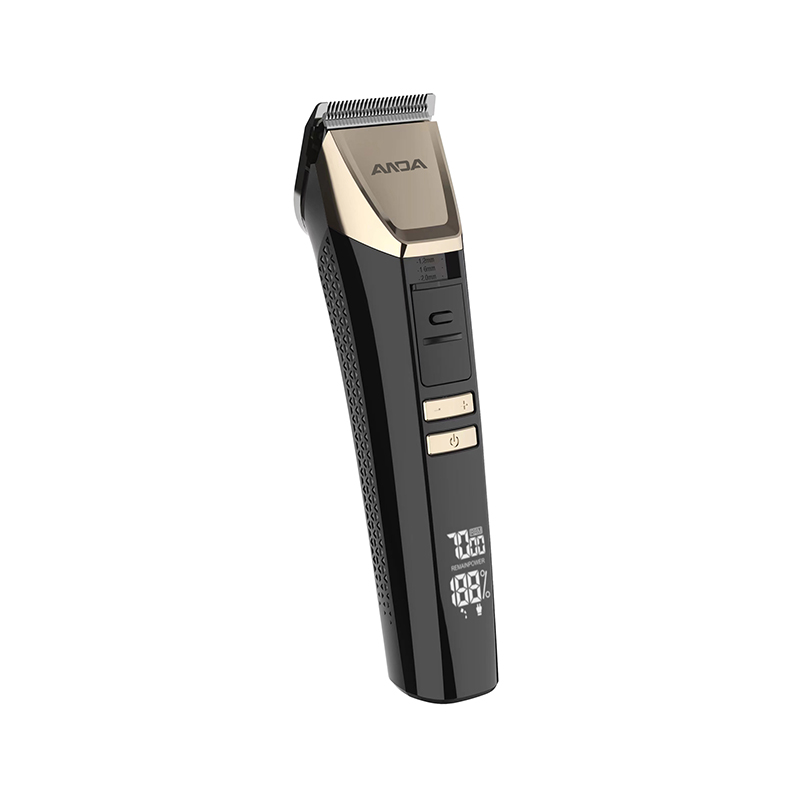
An Electric Pet Grooming Clipper may include:
A manual comb does not need comparable electrical or moving systems. Its basic function comes from the shape and spacing of the teeth, along with the user's movement.
Each tool also serves a different grooming purpose. Combing can help prepare a coat before trimming, while powered cutting equipment is intended for shortening hair. Using one in place of the other may not produce the same result, especially when a coat has knots or when loose hair needs to be separated before trimming.
Manufacturing complexity is one reason for the price difference. A manual comb can be produced from a small number of basic parts. A powered device requires several components, each of which needs to fit and work correctly within a compact housing.
Battery‑powered equipment adds another layer. A rechargeable battery needs a suitable position inside the housing, along with a charging system and connections that allow power to reach the motor. Moving cutting parts also require proper alignment so that trimming remains controlled during normal use.
Assembly can therefore involve more stages than production of a simple comb. Each additional part creates another point that needs inspection. Poor alignment, loose connections, or damaged components can influence how the equipment operates.
Material use also varies. A comb mainly requires a body and teeth, while powered equipment needs a housing strong enough to protect internal parts during ordinary handling. The cutting section also needs to maintain its position while the motor is running.
Price should therefore be viewed in relation to construction rather than appearance alone. A compact powered tool may look simple from the outside, yet its internal structure can be considerably more involved.
Cordless operation can change how grooming takes place. A Rechargeable Pet Clipper allows the user to move around the animal without keeping the tool connected to a power outlet during use. Such freedom can be useful when a pet moves between different positions or when grooming takes place in a location away from a fixed power source.
Charging becomes part of the routine, though. Battery‑powered equipment needs to be stored properly and charged when required. A user who forgets to charge the tool may find that it is unavailable when grooming is needed.
Battery condition can also influence daily use. Storage in a dry place, avoiding unnecessary damage, and following the care instructions supplied with the equipment can help maintain normal operation.
Cordless grooming may also make handling easier for some owners because one hand can remain focused on guiding the animal while the other operates the tool. Pet movement still needs attention, especially around sensitive areas such as the face, ears, paws, and tail.
A rechargeable design does not automatically suit every grooming situation. For occasional combing, a manual tool may be all that is needed. For repeated trimming where movement around the pet matters, powered equipment can offer a different form of convenience.
A pet's reaction to grooming often depends on more than the cutting method. Sound, hand movement, contact, and previous experience can all shape how an animal responds during a grooming session.
Scissors move through the coat with each hand movement, while a powered clipper produces repeated motion as long as it remains switched on. Some pets may find the steady movement easier to tolerate, especially when the tool is handled slowly and kept away from sensitive areas. Others may react to the operating sound or vibration and prefer a quieter approach.
Previous grooming experiences can also affect behavior. A pet that has become familiar with regular handling may remain calmer when a new tool is introduced. An animal with little grooming experience may need more time to accept unfamiliar sounds and movements.
Temperament matters as well. Some animals remain relaxed when their coat is touched, while others become restless when someone works around their paws, ears, or face. A tool cannot remove those differences, so handling technique remains an important part of grooming.
A gradual introduction can make a new grooming tool less unfamiliar. Rather than starting with trimming immediately, an owner can allow the pet to see and smell the equipment while it is switched off.
Once the animal appears comfortable, the operating sound can be introduced for a short period at a safe distance. Calm behavior can be followed by a pause, giving the pet time to settle before another attempt.
During actual grooming, slower movements are generally easier to manage than sudden changes in direction. Short sessions can also be more practical for an animal that becomes restless after prolonged handling.
A simple approach can include:
Comfort also depends on the condition of the coat. Severe tangles can pull against the skin during grooming, making the experience unpleasant regardless of which tool is used. Gentle preparation and regular coat care can reduce unnecessary pulling.
Choosing between a manual comb and powered equipment depends largely on the task. A comb works well for separating hair and removing loose strands, while a clipper is intended for trimming. In many grooming routines, both tools can have a place rather than one completely replacing the other.
| Consideration | Manual Comb | Powered Clipper |
|---|---|---|
| Main use | Combing and detangling | Trimming coat length |
| Operation | Hand movement | Motor‑assisted movement |
| Power | Not required | Battery or external power |
| Sound | Little operating noise | Motor sound during use |
| Mobility | Simple to move | Cordless use may allow easier movement |
| Care | Basic cleaning | Cleaning and charging may be needed |
Coat condition should be considered alongside pet behavior. A long or tangled coat may require careful combing before trimming, while a short coat may need less extensive grooming.
Pet tolerance is another practical factor. Animals that react strongly to sound may need gradual exposure before a powered tool is used. A calm pet may accept either method with suitable handling.
For owners who move around the animal during grooming, a Rechargeable Pet Clipper can reduce dependence on a nearby outlet. Charging requirements still need to be included in routine care.
Regular cleaning helps keep grooming equipment in usable condition. Hair can collect around moving parts after repeated trimming, while dirt and residue may affect smooth movement.
Cutting components should be checked regularly for signs of wear or damage. A change in movement, unusual noise, or increased resistance can indicate that cleaning or further inspection is needed.
Rechargeable equipment also needs suitable storage. Keeping it in a dry location and protecting it from drops or impact can reduce avoidable damage. Charging components should be inspected as well, particularly when signs of wear appear.
Maintenance can influence the grooming experience for the pet. A tool that runs unevenly or produces unusual noise may make an animal more uneasy, while a clean and properly maintained tool can provide more predictable handling.
A powered clipper can be considered when regular trimming forms part of a pet's grooming routine, especially when moving around the animal is useful. Cordless operation may also suit grooming areas where access to a power outlet is inconvenient.
Manual combs remain useful for detangling, separating loose hair, preparing the coat, and handling areas where controlled hand movement is preferred. A powered tool does not remove the need for careful combing or gentle handling.
For pet owners, the decision can be based on a few practical questions:
An Electric Pet Grooming Clipper may suit trimming tasks that require repeated cutting movement, while a manual comb remains useful for simpler coat care. Pet acceptance, grooming purpose, handling style, and maintenance needs all have a place in the decision.
Rather than choosing equipment according to price alone, matching the tool with the actual grooming task can make everyday care easier to manage. A rechargeable option adds mobility, while a manual comb keeps grooming simple where trimming is not required.
A pet can react quite differently to grooming tools, even when both are used for the same area of fur. Scissors rely on repeated hand movements, so the animal may notice each approach toward its coat. A powered clipper moves continuously once it is running, creating a different feeling against the fur.
Sound and vibration also form part of the experience. Some pets settle after hearing a steady motor sound for a while, whereas sudden hand movements from scissors may make them move away. Another animal may have the opposite reaction and become uneasy as soon as a motor starts.
Past grooming experiences can shape such behavior. A pet accustomed to being touched around its paws, ears, face, and body may have fewer concerns when a new tool is introduced. Animals with little grooming experience often need more time to become comfortable with unfamiliar sounds and sensations.
Temperament matters as well. Some pets remain still during coat care, while others keep changing position. For a restless animal, the way a person holds and moves the tool can have as much influence as the tool itself.
Introducing grooming equipment gradually can make the process less stressful. An owner can place a new tool nearby while it is switched off, allowing the pet to look at it and become familiar with its presence before any trimming begins.
Once the animal appears relaxed, the tool can be turned on briefly at some distance. There is no need to start cutting immediately. A few quiet moments with the sound can help the pet become familiar with what is happening.
During trimming, slow and steady movements are easier to control. Sensitive areas such as the face, ears, paws, and tail deserve extra care because pets often react more strongly when someone works near them.
A practical grooming routine may include:
Coat condition can affect comfort too. Knots and compacted hair may pull against the skin when a grooming tool passes through them. Careful combing before trimming can make the cutting process easier and reduce unnecessary pulling.
A manual comb and a powered clipper do not perform exactly the same job, so choosing between them starts with the grooming task. Combs are useful for separating hair, removing loose strands, and dealing with small tangles. Powered equipment is intended for shortening the coat.
| Grooming Factor | Manual Comb | Powered Clipper |
|---|---|---|
| Main task | Combing and detangling | Coat trimming |
| Movement | Controlled by hand | Assisted by a motor |
| Power source | Not needed | Battery or external power |
| Operating sound | Very little | Motor sound |
| Mobility | Easy to move | Cordless use offers greater freedom |
| Routine care | Cleaning | Cleaning and charging |
Coat length and condition can also change the choice. A tangled coat may need patient combing before any trimming takes place. A pet with a coat that needs regular shortening may require a different approach.
Pet behavior deserves equal attention. A dog or cat that reacts strongly to motor noise may need gradual exposure, while an animal that dislikes repeated scissor movements may settle more easily with a steady trimming motion.
For grooming that involves moving around the animal, a Rechargeable Pet Clipper can make positioning more flexible because a nearby outlet is not required during use. Charging still becomes part of normal preparation, so the convenience of cordless operation needs to be considered alongside battery care.
Hair tends to collect around grooming equipment after use, especially near moving sections. Leaving the residue in place for long periods can make cleaning more difficult and may affect how smoothly the equipment operates.
A quick inspection after grooming can reveal useful signs. Loose parts, unusual resistance, changes in sound, or visible damage should not be ignored. Cutting components also need suitable care because worn or poorly maintained parts can change the feel of trimming.
Rechargeable equipment requires a little extra attention. Keeping it dry, avoiding unnecessary drops, and storing the charging accessories properly can help prevent avoidable problems. Charging should follow the care instructions supplied with the equipment rather than being treated as an afterthought.
Pet comfort is closely connected with equipment condition. An uneven sound or rough movement can make an already nervous animal more unsettled. Clean, properly maintained equipment tends to make handling more predictable.
A powered tool can make sense when regular coat trimming forms part of everyday pet care. Cordless operation can also help when grooming takes place in different positions or locations, especially when keeping a pet still requires frequent changes in hand position.
Manual combs still have an important role. Detangling, removing loose hair, preparing the coat, and working around sensitive areas may be easier with a simple hand tool. For some grooming routines, using a comb before or after trimming may be more practical than relying on one tool for every task.
A few questions can help narrow the choice:
An Electric Pet Grooming Clipper can be useful for trimming tasks that require repeated cutting movement, while a manual comb remains suitable for basic coat care. Pet temperament, coat condition, grooming habits, and equipment maintenance all affect how comfortable the routine becomes.
Price is only one part of the decision. A simple comb may be enough for a pet that mainly needs detangling, while rechargeable equipment may make sense where regular trimming and greater freedom of movement are part of the routine.
Recommended Products

No.377. Fourth Avenue, Binhai Park, Economic-Technological Development Zone, Wenzhou, Zhejiang, China.

+86-577-88912812

+86-577-88912822

anda1@andaelectric.com
anda6@andaelectric.com
anda7@andaelectric.com
Copyright © Zhejiang Anda Electric Co., Ltd. Rights Reserved.
Electric Hair Clipper Manufacturer



 English
 Español
 русский