Industry News
 Home / News / Industry News / How to Choose Between Barber Hair Clippers Kit and Home Use Hair Clippers
  2026.08.18
 Industry News
Hair clippers may look similar across different settings, yet daily use can vary quite a lot between a barber shop and a family bathroom. A professional may move from one haircut to another, adjust cutting length several times, clean the equipment between users, and keep working through a busy routine. Home grooming tends to involve fewer users, simpler styles, and longer gaps between cutting sessions.
Choice therefore needs to start with the way a clipper will actually be used. Weight, grip, cutting adjustments, attachments, cleaning, storage, and working comfort can all affect the experience. A larger accessory set is not automatically useful for someone who only trims short hair at home, while a simple household setup may feel limiting during repeated professional work.
Looking at the daily routine makes comparison easier. Rather than judging a clipper by its appearance or number of accessories, buyers can consider how often hair is cut, how many people use the equipment, how much adjustment is needed, and how much maintenance can reasonably be handled.
Professional hair cutting involves a different rhythm from occasional home grooming. A barber may work with several people in succession, move between different hair lengths, and change hand positions repeatedly while shaping the sides, back, or neckline.
Home grooming usually follows a quieter pattern. One person may trim their own hair or help a family member, with the same basic style used across several sessions. Fewer adjustments may be needed, and equipment can spend more time stored between uses.
Working conditions also influence physical comfort. Holding a clipper for a short home session is different from using it repeatedly during a working day. Grip shape, balance, vibration, and access to controls can become noticeable when the same movement is performed many times.
Professional use may also involve a broader range of tasks, such as:
A household user may only need a few of those functions. Matching the equipment to the actual routine can prevent unnecessary complexity.
Frequency changes how a clipper is experienced over time. Occasional grooming places more attention on easy storage, simple cleaning, and convenient operation. Repeated work shifts attention toward handling comfort, maintenance, and consistent operation during longer sessions.
A clipper used regularly also needs a clear maintenance routine. Hair can collect around the cutting area, while residue from repeated handling may build up on surfaces. Regular cleaning helps keep the equipment ready for the next use and makes inspection easier.
Heat can also become noticeable during longer sessions. A device that feels comfortable during a brief trim may feel different after repeated use. Users who cut hair frequently may therefore pay closer attention to airflow, housing temperature, grip, and general handling.
For home users, a more practical approach may involve asking:
Professional users face similar questions, with greater emphasis on repeated operation and quick preparation between appointments.
Frequency should not be viewed separately from workload. Someone cutting hair for several family members on a regular basis may have different needs from someone trimming their own hair occasionally, even though both use the equipment at home.
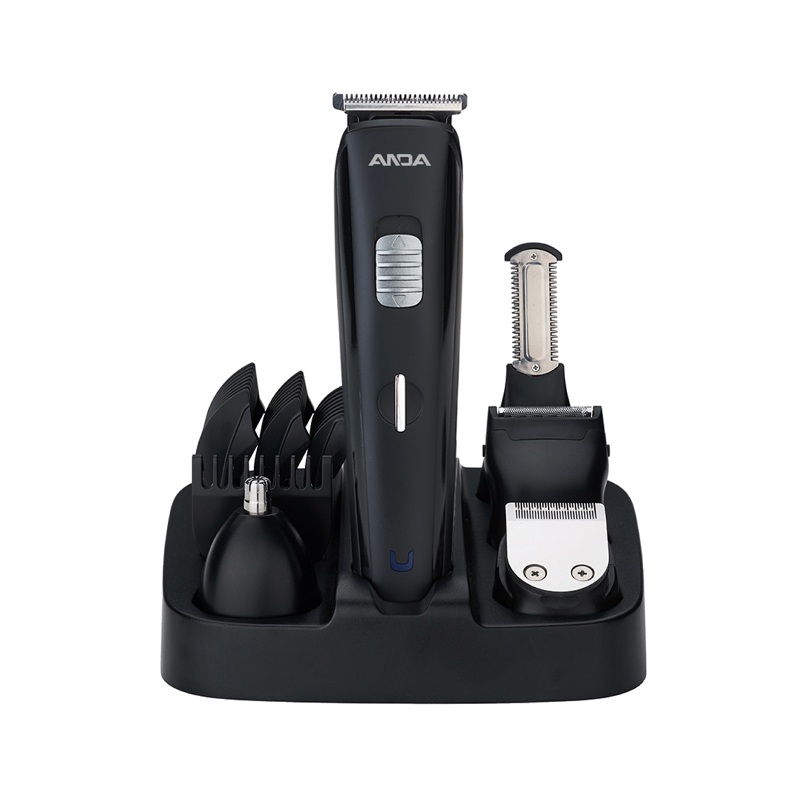
A Barber Hair Clippers Kit can be useful in settings where different cutting tasks need to be handled during regular work. Attachments and adjustment options can provide flexibility when a barber moves from one style to another.
Cutting length is one practical consideration. Different areas of a hairstyle may require different settings, so convenient adjustment can reduce interruptions during a haircut. Attachments can also help maintain a more consistent approach when working across larger areas.
Accessory selection needs some thought. A large kit may contain items that rarely leave the storage case, while a smaller collection may leave gaps during certain tasks. Useful accessories are those that match the work actually performed.
Professional users may consider:
A kit should support the working routine rather than add unnecessary steps. Someone who mainly performs one style of short haircut may need a different setup from a barber handling varied requests.
Noise can also influence the working environment. Repeated exposure to operating sound can become more noticeable in a professional setting, especially when equipment is used around several people throughout the day. Quiet operation may therefore be a practical comfort factor, although it should be considered alongside cutting performance and maintenance needs.
Home grooming usually benefits from straightforward handling. A device that can be picked up, adjusted, cleaned, and stored without much preparation may fit naturally into a household routine.
Weight is worth considering because self‑cutting requires the user to control the device from different angles. Reaching the back of the head can already be awkward, so unnecessary bulk may make the task less comfortable.
Grip also matters. Wet or recently washed hair can leave the hands slightly damp, while hair fragments may collect around the working area. A secure grip and accessible controls can make basic trimming easier.
Storage is another practical concern. Household equipment may spend weeks between uses, so a clean and dry storage location helps prevent dust and accidental damage. Keeping attachments together also avoids searching for small pieces when another haircut is needed.
Home users can focus on a few simple questions:
Home Use Hair Clippers do not need to replicate every feature found in professional equipment. A household user may gain little from accessories designed for tasks that never occur at home.
At the same time, a family with several users may need greater flexibility than a person who only performs an occasional trim. Personal routines remain more useful than broad labels when making a choice.
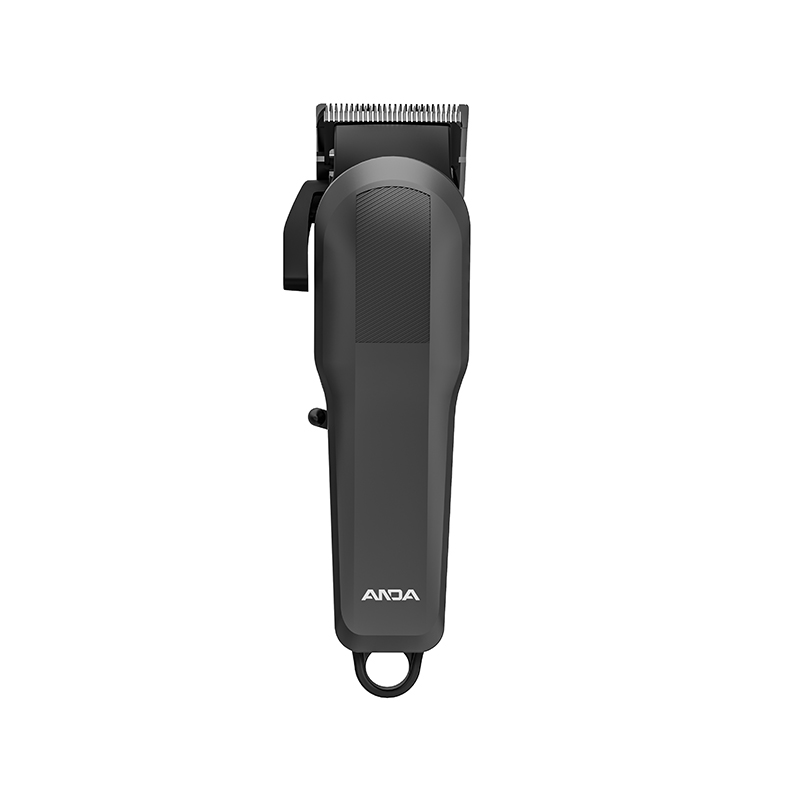
Attachments can change how a clipper handles different hair lengths and cutting areas. A comb guide can help maintain a particular length, while cleaning tools can make routine maintenance easier. Protective parts can also help keep accessories organized between uses.
For professional work, having several useful attachments within one kit can reduce the need to search for separate pieces during a haircut. Quick access becomes more relevant when different cutting tasks occur within the same session.
At home, accessory selection should remain practical. Extra pieces that rarely get used can make storage less convenient and increase the number of items that need to be cleaned or kept together.
A useful way to judge accessories is to connect each item with a real task:
Such a simple distinction can make equipment selection clearer. The value of an accessory comes from its role in the user's routine, rather than from simply being included in a package.
Maintenance tends to change with the amount of hair cutting performed. A clipper used regularly in a barber shop collects hair and residue more often, so cleaning becomes part of the working routine rather than an occasional task. Home users may clean equipment less frequently because cutting sessions are separated by longer periods.
Cleaning the cutting area is useful after use, especially when loose hair remains around moving parts. A small brush can help remove visible fragments from places that are difficult to reach by hand. Any lubrication or blade care should follow the instructions supplied with the equipment.
Storage also plays a role. Leaving a clipper in a damp bathroom can expose metal parts to moisture, while placing it loosely in a drawer can cause attachments to become separated or damaged. A dry storage area with enough space for the device and its accessories can make later use easier.
Professional users may benefit from a fixed maintenance routine because equipment returns to service frequently. A simple sequence can include:
Home users can apply the same basic habits without creating a complicated maintenance schedule. Equipment that receives occasional use still needs attention before being put away, especially when hair remains around the cutting area.
Daily routines provide a useful way to compare equipment without relying on broad product labels. A person who cuts hair for several clients has different requirements from someone who trims a family member at home, even when both need similar cutting lengths.
| Usage Pattern | Key Consideration |
|---|---|
| Frequent Haircuts | Working Comfort |
| Several Users | Cleaning and Storage |
| Occasional Trimming | Simple Operation |
| Different Hair Lengths | Cutting Adjustment |
| Travel Grooming | Compact Storage |
| Regular Barber Work | Useful Accessories |
Frequent work puts more attention on handling comfort and maintenance. Several users increase the need for cleaning between sessions. Occasional home grooming places greater value on simple controls and convenient storage.
Travel can create another set of requirements. A person who carries equipment between locations may care about case size, attachment organization, charging arrangements, and protection from accidental impact. A larger kit may become inconvenient when only a few accessories are needed.
Family use sits somewhere between personal grooming and professional work. Several people may have different hair lengths or preferences, so adjustment options can become more useful than they would be for one regular user.
Rather than asking which type of clipper is generally preferable, it is more useful to ask which equipment fits the routine without adding unnecessary handling or maintenance.
A Barber Hair Clippers Kit can make sense when cutting tasks vary and several accessories are used during regular work. Barbers often need to move between different sections of a haircut, so having relevant attachments and adjustment options within reach can make the workflow easier to manage.
Repeated work also changes the importance of physical handling. A comfortable grip, accessible controls, and manageable weight can influence how tiring a device feels during longer periods of use.
A kit may be suitable for people who:
A complete kit does not automatically fit every barber. Someone whose work involves a narrow range of haircuts may use only a small portion of the available accessories. Storage space can also become an issue when unused attachments accumulate.
For professional users, the practical question is whether included components support actual cutting tasks. A compact setup with frequently used accessories can be easier to manage than a larger collection that rarely leaves its storage case.
Home Use Hair Clippers can suit households where grooming happens occasionally or follows a fairly consistent routine. A family may use the same device for simple trims without needing a large selection of attachments.
Ease of handling often matters more in such situations. A person cutting their own hair needs to control the clipper from several angles, while someone helping another family member may need to make small adjustments without interrupting the process.
Simple storage can also make a difference. Home equipment may remain unused for a while, so keeping the device dry, clean, and protected from accidental impact helps maintain its condition between sessions.
Home users may place more attention on:
A household does not need to copy the working habits of a barber shop. Different needs can be handled with different equipment choices, and a simpler setup may be easier to maintain when cutting happens only from time to time.
Families with several users can still require more adjustment options. Hair length, preferred style, and cutting habits may vary between people, so household use does not always mean choosing the simplest configuration available.
Choosing between professional and household equipment becomes easier when the decision starts with actual use rather than product category. A few practical questions can narrow the options.
Start with frequency.
Consider how often cutting will take place and whether sessions involve one person or several.
Consider cutting tasks.
Simple trimming requires a different setup from work involving several hair lengths and repeated adjustments.
Check handling comfort.
Grip, weight, balance, and control placement become more noticeable during longer sessions.
Review the accessories.
Choose attachments that correspond to real grooming tasks. Unused parts add storage requirements without changing the way equipment is used.
Consider maintenance.
Hair clippers need cleaning and care regardless of where they are used. Equipment that fits the user's maintenance habits is easier to keep ready.
Think about storage.
A household drawer, bathroom cabinet, barber station, or travel bag creates different storage needs.
A useful comparison can therefore be based on the working pattern:
No single configuration fits every grooming routine. Even two users who cut hair with similar frequency may prefer different equipment because their hairstyles, handling habits, and storage conditions are not the same.
A good equipment choice should remain connected to real work. A barber who handles varied cuts throughout the day needs a setup that can keep pace with repeated adjustments and cleaning. A household user who trims hair occasionally may have little reason to manage a larger accessory collection.
Maintenance should also be considered before purchase. A device that requires regular cleaning is easier to manage when the user already has a suitable place and routine for care. Storage matters in the same way, especially for equipment that remains unused for long periods.
The comparison can be kept practical:
A Barber Hair Clippers Kit may fit professional routines where varied cutting tasks and regular accessory use are part of everyday work. Home Use Hair Clippers may fit household grooming where straightforward operation and convenient maintenance matter more.
Looking at the complete routine gives a clearer basis for selection than comparing isolated features. Frequency, cutting habits, handling, accessories, cleaning, and storage all shape how suitable a clipper will feel after it becomes part of everyday grooming.

No.377. Fourth Avenue, Binhai Park, Economic-Technological Development Zone, Wenzhou, Zhejiang, China.

+86-577-88912812

+86-577-88912822

anda1@andaelectric.com
anda6@andaelectric.com
anda7@andaelectric.com
Copyright © Zhejiang Anda Electric Co., Ltd. Rights Reserved.
Electric Hair Clipper Manufacturer



 English
 Español
 русский