Industry News
 2026.08.21
 Industry News
Hair clipping looks straightforward enough during ordinary grooming, though small changes in handling can shift comfort and skin safety quite a bit. Pulling, pinching, sudden stops, or unwanted contact around sensitive areas usually trace back to how a clipper meets the hair rather than the cutting task itself.
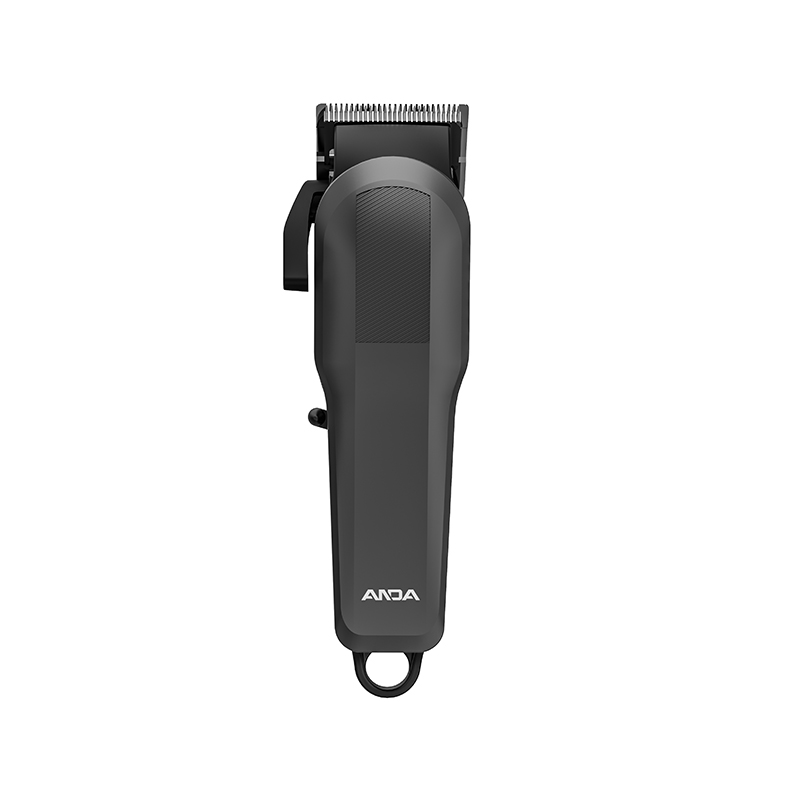
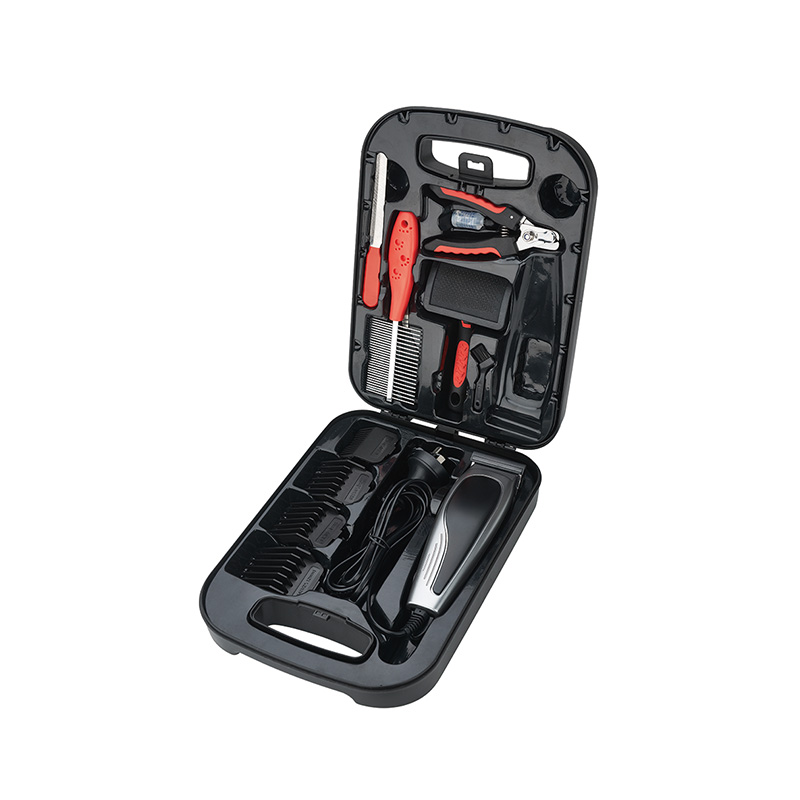
A barber hair clippers kit sees action across different hair lengths, head shapes, and trimming areas, so one fixed movement rarely suits every situation. Hair condition, blade cleanliness, attachment position, grip, and movement speed all play a role in keeping things safe.
Scalp protection deserves real attention here too. Skin around the ears, neckline, hairline, and natural folds can be harder to see while cutting, especially when working from an awkward angle. A controlled approach gives better awareness and cuts down on the need to push through resistance.
Safe use really starts before cutting ever begins. Checking the equipment, prepping the hair, and choosing an appropriate attachment can head off several problems before they have a chance to show up.
Hair catches when strands enter the cutting area in an uneven or tangled state. Long or thick sections put more resistance on moving parts, especially when someone pushes the clipper quickly through a dense patch.
Pulling can also crop up when hair builds up around the cutting edge. A clipper that hasn't been cleaned since its last use may have loose hair sitting near the moving parts, which makes smooth movement harder to achieve.
Sudden changes in direction create their own uncomfortable moment. Moving forward, stopping abruptly, then pushing back through the same section can fold hair toward the cutting area instead of letting it pass through evenly.
A more controlled approach involves:
Pressure never really solves resistance. Pushing harder just increases contact between the cutting area and hair or skin, while stopping to check the cause gives a chance to fix the actual problem instead.
Hair texture changes how a clipper feels during use as well. Curly, coarse, fine, or tangled hair responds differently to the same movement, so adjusting technique based on how hair passes through the cutting area works better than sticking to one speed for an entire haircut.
Scalp protection depends partly on controlling contact between the cutting surface and skin. A clipper shouldn't get pushed forcefully against the head just to remove hair faster — gentle contact and steady movement give far better control around uneven areas.
Skin condition is worth checking before cutting starts. Scratches, irritated patches, raised spots, or open wounds react differently to contact with a moving cutting surface, so avoiding direct contact with damaged skin is just a sensible precaution.
Natural skin folds need extra care since they shift position as the head moves. Around the back of the neck or behind an ear, loose skin can end up closer to the cutting edge than expected.
A careful routine can include:
Holding the head in a stable, comfortable position makes movement easier too. When cutting someone else's hair, simple communication helps a lot — asking them to stay still while working around the ears or neckline cuts down on sudden movement.
Personal hygiene factors in as well. Clean cutting surfaces and clean attachments reduce the transfer of hair and residue between users. Cleaning should follow the equipment's own instructions rather than relying on random liquids or overly aggressive methods.
Hand movement directly shapes how smoothly hair enters the cutting area. A relaxed grip allows small adjustments along the way, while excessive force makes it much harder to respond once resistance shows up.
A steady pace pays off, especially around dense sections. Rapid movement leaves less time to notice changes in hair resistance or skin position before something goes wrong.
Direction matters too. Hair lies differently across the scalp, so a movement that feels comfortable on one section can feel completely wrong on another. Gradual adjustments work better than repeatedly forcing the same path through resistant hair.
Areas that deserve extra attention include:
Visibility gets limited when trimming the back of the head without help from another person. A mirror improves awareness somewhat, though relying on sight alone isn't wise when the cutting surface sits close to sensitive skin.
When hair starts pulling, pausing beats pushing harder every time. Clearing loose hair from the cutting area or shifting the movement pattern often fixes the immediate cause. Repeated pulling tends to signal that cleaning, blade condition, attachment position, or a broader equipment check needs attention.
Different sections of the head bring different shapes and working angles into play. Flat areas like parts of the side or back tend to be easier to control, while curved areas need more gradual movement to manage well.
At the top of the head, hair direction can vary quite a bit across sections. A clipper works better following a controlled path rather than getting pushed quickly through areas where strands lie in mixed directions.
Around the sides, the shape of the head becomes more noticeable underhand. Short movements make it easier to follow the contour without pressing the device heavily against the scalp.
Behind the ears, available space shrinks considerably. The ear needs to stay clear of the cutting path, and movement should slow down enough to respond to any unexpected shift.
The neckline needs similar attention because skin folds or shifts as the head changes position. Keeping the head stable and working with small, controlled movements makes contact much easier to manage safely.
Hairline work calls for the same kind of care. A clipper shouldn't get forced into a narrow area just to catch a few stray hairs — repositioning the device usually offers a clearer approach instead.
Different hair textures shift technique too. Dense or tangled hair often needs preparation before close clipping, while fine hair calls for lighter pressure simply because there's less resistance to work against.
A quick inspection before cutting can prevent several problems during use. Equipment that looks clean at a glance may still have loose hair around the cutting area, a poorly fitted attachment, or a damaged component.
Start with the cutting section. Hair fragments should be removed, and visible parts should sit in their intended positions. An attachment that feels loose should not be used until its fit has been checked.
Power and battery condition also deserve attention. Unstable operation, unusual noise, or repeated stopping can make hair pulling more likely because movement through the hair becomes inconsistent.
A practical pre‑use check can cover:
A Barber Hair Clippers Kit should not be used on the scalp when a visible defect creates uncertainty about safe operation. Continuing to work through an equipment problem can turn a small issue into a more difficult one.
Checking the tool does not need to take long. A short inspection before each use can become part of the normal preparation routine, especially when several people share the same equipment.
Hair clippers work more smoothly when loose hair and residue are removed from areas that are designed to move. Accumulation around the cutting section can interfere with normal movement and may contribute to pulling during later use.
Cleaning also matters when equipment is shared. Hair and skin residue can remain on surfaces after trimming, so cleaning between users supports basic hygiene and keeps the cutting area easier to inspect.
Care should follow the instructions supplied with the equipment. Not every component can be treated in the same way, and unsuitable liquids may affect electrical parts, protective surfaces, or other components.
A simple routine can include:
Storage can affect condition as well. Leaving a clipper in a damp area may encourage corrosion on exposed metal parts, while loose storage can cause attachments to become separated or damaged.
Maintenance should not be limited to cleaning. Visible wear, unusual sound, repeated pulling, or changes in cutting behavior can indicate a need for inspection. Users should avoid attempting repairs that require technical knowledge unless they are suitably qualified.
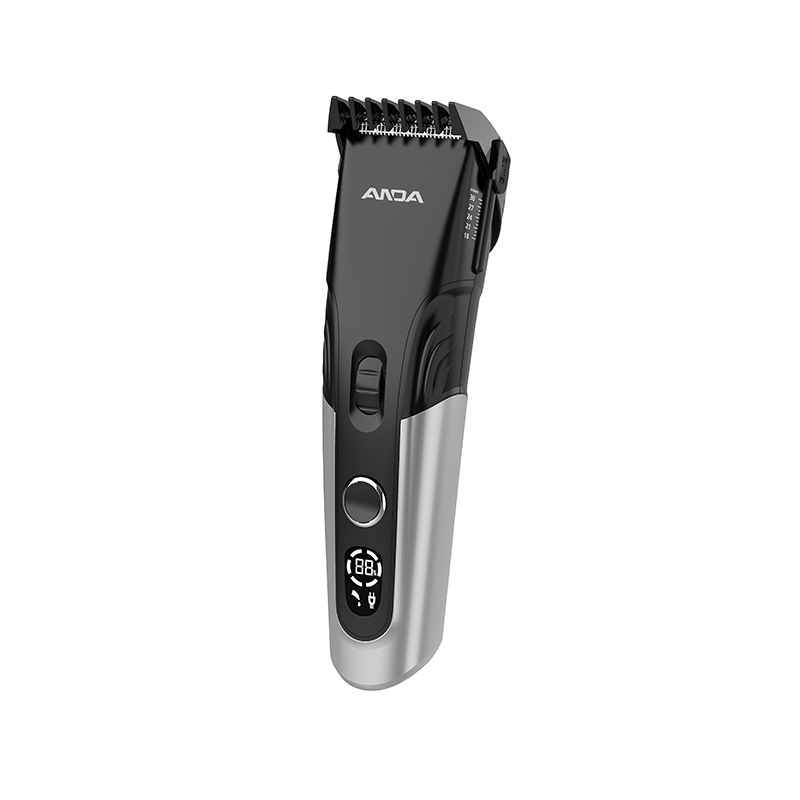
Production choices can influence how safely a clipper is handled during everyday grooming. A Hair Clippers Factory needs to consider not only cutting performance, but also how users interact with the equipment during preparation, trimming, cleaning, and storage.
Clear operating information can help users avoid common mistakes. Instructions should describe suitable use, attachment installation, cleaning, charging or power requirements, and conditions that call for stopping operation.
Physical design also affects handling. A comfortable grip can make controlled movement easier, while clearly positioned controls reduce unnecessary hand movement during a haircut. Secure attachment fitting is another practical concern because loose components can affect cutting stability.
Safety‑related production considerations can include:
Product information should also make limitations clear. Users need to know which parts can be cleaned with water, which areas should remain dry, and how attachments should be removed or installed.
For manufacturers, user feedback about pulling, skin contact, difficult cleaning, or attachment movement can provide useful information for later production improvements. Safe operation is influenced by both product design and user behavior, so clear communication between production and end users has practical value.
Certain parts of the head require slower and more deliberate handling because visibility and available space are limited.
| Sensitive Area | Main Handling Concern |
|---|---|
| Around the Ears | Avoid Direct Pressure |
| Neckline | Keep Movements Controlled |
| Skin Folds | Check the Skin Position |
| Hairline | Use Gentle Short Movements |
| Damaged Skin | Avoid Direct Contact |
Around the ears, keeping the cutting path away from direct contact with the ear itself is important. Small movements allow the user to reposition the tool rather than trying to cover a narrow area with one large pass.
At the neckline, skin may move as the head changes position. Asking the person receiving the haircut to hold a comfortable, steady posture can make the area easier to manage.
Skin folds deserve similar attention. Pressing a clipper into a fold can bring skin closer to moving parts, so users should avoid forcing the tool into narrow spaces.
The hairline can be handled with short, controlled movements. A small remaining section of hair does not require extra pressure. Repositioning the hand can often provide a clearer angle.
Damaged or irritated skin should generally be avoided during ordinary clipping. A haircut can be adjusted around an affected area rather than placing the cutting surface directly over it.
Unexpected pulling should be treated as a signal to pause. Continuing forward with greater force may increase discomfort and does not necessarily solve the cause.
After stopping, the user can check whether hair has gathered around the cutting section or whether an attachment has shifted. A change in hair direction may also explain why one area feels different from another.
Repeated pulling deserves closer attention. Possible causes include accumulated hair, equipment wear, an incorrectly fitted attachment, or a technique that does not match the hair condition.
Skin discomfort should receive similar attention. A person receiving the haircut should be able to report heat, scratching, pinching, or other unusual sensations without feeling pressure to continue.
A practical response is:
Unusual noise, visible damage, or repeated operating problems are reasons to stop using the equipment and arrange suitable inspection. Users should not attempt to bypass a damaged safety feature or continue operating a tool that no longer behaves normally.
Safe clipping does not need a complicated routine. Small habits before, during, and after use can reduce avoidable problems while making the haircut easier to control.
Before cutting, check the equipment and prepare the hair. During trimming, use a steady grip, moderate pressure, and controlled movements, paying closer attention around narrow or sensitive areas.
Afterward, remove loose hair and follow the recommended cleaning procedure. Keeping attachments organized also makes the next session easier to prepare.
A useful routine can be remembered in three stages:
Such habits apply whether equipment is used in a barber setting or for personal grooming at home. Different users may have different cutting techniques, although the basic principles remain similar: avoid forcing the clipper through resistant hair, protect the scalp from unnecessary pressure, and stop when equipment behavior becomes unusual.
A Barber Hair Clippers Kit is part of a larger grooming process rather than a tool that can replace careful handling. Hair condition, skin condition, equipment maintenance, and user technique all affect how comfortable and controlled a haircut feels.
For manufacturers and users alike, attention to small operating details can make daily grooming more manageable. Clear instructions, suitable equipment condition, careful movement, and regular cleaning form a practical foundation for safer clipping without adding unnecessary complexity.

No.377. Fourth Avenue, Binhai Park, Economic-Technological Development Zone, Wenzhou, Zhejiang, China.

+86-577-88912812

+86-577-88912822

anda1@andaelectric.com
anda6@andaelectric.com
anda7@andaelectric.com
Copyright © Zhejiang Anda Electric Co., Ltd. Rights Reserved.
Electric Hair Clipper Manufacturer



 English
 Español
 русский