Industry News
 2026.08.14
 Industry News
A grooming blade moves through hair by keeping two cutting surfaces in close contact. Repeated movement creates friction, and friction gradually changes how smoothly those surfaces travel against one another. Power from a battery can keep a grooming device running, yet electrical power does not remove mechanical contact inside the blade assembly.
For that reason, regular oiling forms part of routine blade care. A thin layer of suitable oil helps the moving surfaces slide with less resistance, allowing the cutting unit to move more freely during grooming. Without enough lubrication, dry contact can make movement feel rough, produce a different operating sound, or cause hair to pass through less smoothly.
Blade oil also has a role in managing heat created by repeated movement. When surfaces rub against one another without enough lubrication, warmth can build around the cutting area. A properly maintained blade can move with less mechanical resistance, which may help limit unnecessary heat during normal use.
Regular oiling should not be viewed as a repair method. It is closer to cleaning a pair of scissors or caring for another moving household tool. Small amounts applied at suitable points can support routine operation, while excessive oil can create another set of problems.
Friction usually develops gradually, so changes may appear during grooming rather than immediately after storage. A blade that once moved quietly may begin producing a harsher sound. Hair may also feel as though it is being caught rather than passing cleanly between moving surfaces.
Several signs deserve attention:
Such signs do not automatically mean a blade needs oil. Hair buildup, damage, loose parts, or worn cutting surfaces can create similar symptoms. Cleaning should therefore come before adding more lubricant.
A small brush can remove loose hair from areas around the blade. Once debris has been cleared, movement can be checked again. When cutting remains rough after cleaning and the blade appears dry, lubrication may be appropriate according to care instructions supplied with the device.
Ignoring friction for too long can make ordinary grooming less comfortable for both the handler and the pet. A blade that moves unevenly may require repeated passes over the same area, which can make grooming take longer and may cause unnecessary irritation.
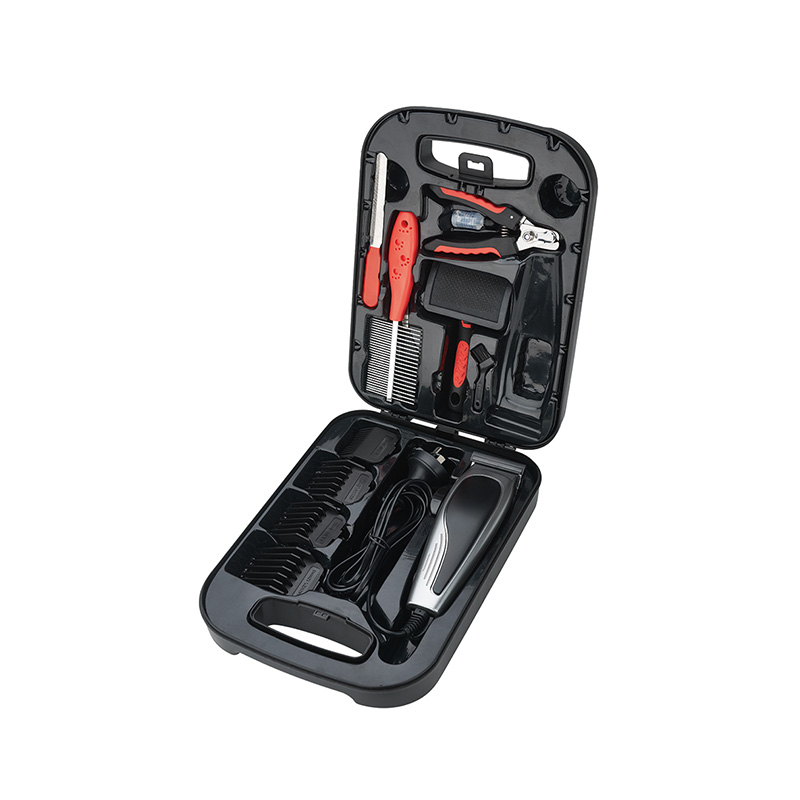
Oil creates a thin layer between moving surfaces, reducing direct contact during movement. Rather than allowing dry metal surfaces to rub against one another continuously, lubrication helps them move with less resistance.
A useful way to picture the process is to compare a dry door hinge with a properly maintained hinge. Both can move, although one may produce more noise and require more effort. A blade works through much smaller movements, so keeping contact surfaces lightly lubricated can have a noticeable effect on movement.
Oil can support several parts of routine blade care:
| Blade Condition | Possible Effect During Use | Suitable Care |
|---|---|---|
| Clean and lightly lubricated | Smooth movement | Continue normal maintenance |
| Dry with little residue | Increased friction may appear | Apply suitable blade oil |
| Covered with hair | Movement may become restricted | Clean before oiling |
| Heavy oil buildup | Sticky residue may collect | Remove excess and clean |
| Damaged or loose | Uneven movement may continue | Inspect before further use |
Only a light amount is needed. Pouring or spreading a large quantity across the blade does not create better lubrication. Excess oil can collect dust and loose hair, leaving a sticky layer around moving parts. During grooming, residue may also transfer onto the pet's coat.
A better routine involves cleaning away loose material, placing a small amount of suitable oil where moving blade surfaces meet, then allowing movement to distribute the lubricant. Any visible excess should be removed before grooming begins.
Cleaning and oiling serve different purposes. Cleaning removes hair, dust, and old residue, while lubrication supports smooth movement between blade surfaces. Completing only one part of the process can leave maintenance incomplete.
After grooming, hair can remain around small spaces near the cutting unit. Moisture may also remain after cleaning, especially when a damp cloth or cleaning method has been used. Blade surfaces should be dry before oil is introduced.
A practical care sequence is straightforward:
Storage matters as well. Leaving a cleaned blade damp can create problems unrelated to lubrication. Keeping the cutting area clean and dry helps maintain a suitable surface between grooming sessions.
Regular care does not mean adding oil after every short use without checking blade condition. Grooming frequency, coat type, cleaning habits, and the construction of a particular device can all affect maintenance needs. Manufacturer care instructions should remain the reference point when a specific blade requires a different procedure.
Blade oil works through a thin coating, so adding a large amount does not make maintenance more effective. Excess lubricant can remain around the cutting area, collect loose hair, and create a sticky surface that attracts dust during storage.
A small application is easier to control. After cleaning, place a little suitable oil along the areas where the moving blade meets the fixed blade. Gentle movement can help distribute the oil across the contact surface. Any visible excess should be wiped away with a clean cloth.
Amount also depends on the condition of the blade. A dry surface may need fresh lubrication, while a blade that already has an oily film does not need another heavy layer. Looking at the surface before applying more can prevent unnecessary buildup.
Grooming habits also influence maintenance. A device used for longer grooming sessions may need attention sooner than one used briefly, while dense or dirty coats can leave more material around the cutting area. Rather than following one rigid routine, checking the blade after cleaning gives a clearer indication of its condition.
Oil should remain on the cutting assembly rather than spreading across the entire device. Keeping lubricant away from electrical sections and internal openings is important, especially with a cordless grooming tool.
A change in blade behavior can provide a useful reminder that maintenance is needed. No single sign proves that oil is missing, so several conditions should be considered together.
Hair pulling is one noticeable change. A properly maintained cutting unit should move through hair without repeatedly catching and tugging. When hair starts to catch, cleaning should be checked before adding oil.
Sound can also offer a clue. A dry blade may produce a sharper or rougher sound than usual as the moving parts create more resistance. Sound alone is not enough to diagnose the problem, since loose parts or damaged cutting edges can create similar changes.
Warmth around the blade deserves attention as well. Repeated movement naturally creates some warmth, while unusual heat may indicate increased friction, blocked movement, or another mechanical issue. Stopping the device and allowing the cutting area to cool is sensible when warmth becomes noticeable.
Visible residue provides another simple check. Hair packed between blade sections can prevent smooth movement even when enough oil is present. Cleaning the area before applying lubricant helps avoid covering debris with another layer.
Oil has a limited role in blade maintenance. Lubrication can support smoother movement when friction comes from a dry contact surface, yet it cannot restore a damaged cutting edge or correct a blade that has become loose or misaligned.
A blade may still cut poorly after cleaning and oiling because of physical wear. Small changes in the cutting surfaces can affect how hair enters the blade, while a loose assembly may create uneven movement.
A useful maintenance sequence is:
Trying to solve every cutting problem with more oil can make matters worse. Heavy residue may collect around the moving sections, while an existing mechanical fault remains unresolved.
Replacement or professional inspection may be appropriate when a blade has visible damage or continues to behave irregularly after routine care. Care instructions supplied with the device should guide any removal or adjustment of blade parts.
Simple maintenance can go wrong when cleaning and lubrication are treated as separate tasks. Applying oil over trapped hair, for example, may hold debris against the blade instead of improving movement.
Common mistakes include:
Oil intended for grooming equipment should be used according to the device instructions. Household oils may have properties that are unsuitable for close-moving cutting surfaces, and residue can behave differently during operation.
Another mistake is assuming a quiet blade needs no maintenance. A blade may continue to operate while friction gradually increases. Routine cleaning and condition checks can catch changes before cutting becomes noticeably uncomfortable.
For a rechargeable device, battery care and blade care are separate concerns. Keeping the battery charged does not compensate for a dry or dirty cutting assembly. Mechanical parts still need their own maintenance routine.
Blade condition has a direct connection with the way a grooming device handles hair. A clean, lightly lubricated cutting unit can move more freely, while debris and dry contact may increase resistance.
During regular grooming, several factors work together. Coat condition affects how much hair reaches the blade. Grooming technique affects how long the cutting area remains in contact with the coat. Cleaning habits determine how much material remains around moving parts afterward.
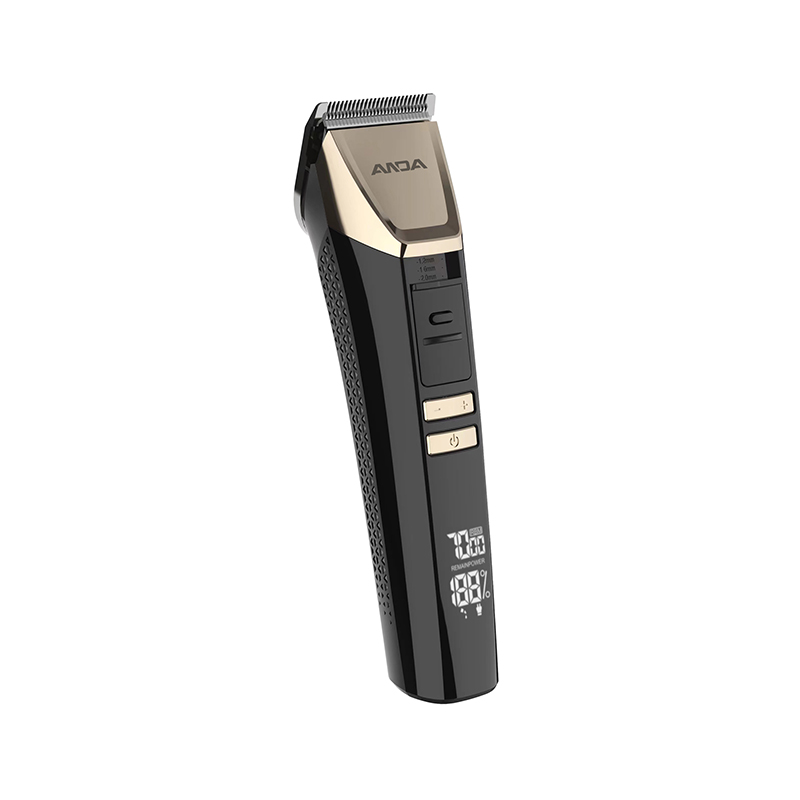
An Electric Pet Grooming Clipper therefore needs attention beyond charging and surface cleaning. Battery power keeps the motor running, while blade maintenance helps the cutting assembly move as intended.
Good care does not require complicated handling. Removing hair after use, keeping the blade dry, checking for visible problems, and applying a small amount of suitable oil when needed can become part of an ordinary grooming routine.
A quick inspection before grooming can prevent avoidable problems. The blade should be clean, dry, and free from loose hair. Visible oil should not remain in large amounts on the cutting surface.
A short check can include:
Any unusual sound or movement should be treated as a reason to pause rather than something to work through. A short inspection is easier than trying to correct a problem after grooming has already started.
Blade care becomes easier when cleaning, drying, oiling, and storage are treated as connected steps. After grooming, loose hair can be removed before it becomes packed around the cutting area. Cleaning can then be followed by drying and a light application of suitable lubricant when the blade needs it.
A simple routine may look like this:
After grooming → Remove hair → Clean → Dry → Check → Oil when needed → Store
Such a routine keeps maintenance tied to the actual condition of the blade rather than relying only on a fixed schedule. A dry surface calls for different attention from a blade covered in residue, while visible damage requires inspection rather than additional lubricant.
Small maintenance habits can also make changes easier to notice. When a blade is cleaned regularly, unusual sound, resistance, heat, or cutting behavior becomes easier to recognize because normal operation is familiar.
For Rechargeable Pet Clipper, oil is only one part of blade care. Clean surfaces, dry storage, suitable handling, and timely inspection all contribute to steady operation. Keeping each step simple makes routine maintenance easier to follow without turning ordinary grooming into a complicated task.
Recommended Products

No.377. Fourth Avenue, Binhai Park, Economic-Technological Development Zone, Wenzhou, Zhejiang, China.

+86-577-88912812

+86-577-88912822

anda1@andaelectric.com
anda6@andaelectric.com
anda7@andaelectric.com
Copyright © Zhejiang Anda Electric Co., Ltd. Rights Reserved.
Electric Hair Clipper Manufacturer



 English
 Español
 русский