Industry News
 2026.08.28
 Industry News
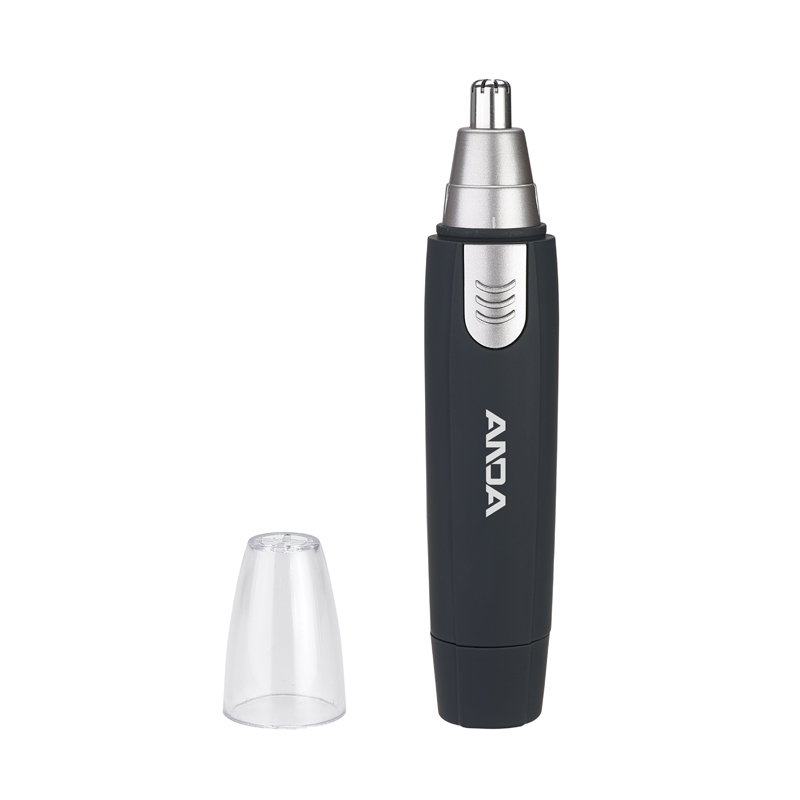
Nose hair trimming looks like a small part of personal grooming, yet hand position can make a noticeable difference in comfort and control. A Portable Nose Trimmer is designed to work around a sensitive area, so careless movement or excessive pressure can cause irritation.
Good handling starts before the cutting head reaches the nostril. A stable body position, clear lighting, a comfortable grip, and a relaxed wrist make it easier to guide the device with care. Trimming should focus on excess hair near the nostril opening rather than trying to remove hair from deeper areas.
Nasal hair also has a natural role. It helps catch dust and other particles before they move farther into the nasal passage, so complete removal is neither necessary nor desirable for ordinary grooming. A sensible approach keeps the process limited to unwanted visible growth while leaving the deeper hair undisturbed.
Compact size makes a trimmer convenient for travel, although portability does not change the need for careful handling. A small device can still move unexpectedly when held too tightly or used from an awkward angle.
Hand control becomes important when a grooming device is used close to delicate skin. A loose or awkward grip may allow the trimming head to shift suddenly, while excessive force can make small movements harder to manage.
A comfortable grip gives the wrist enough freedom to make slow adjustments. Fingers should remain around the main body rather than near moving parts, keeping the hand away from areas intended for cutting.
Position also affects visibility. Looking directly into a mirror while keeping the head reasonably still can make it easier to see the nostril entrance. Trying to trim while turning the head repeatedly or working in poor lighting can make positioning less predictable.
A controlled setup usually includes:
Such preparation may seem simple, yet it removes several avoidable sources of sudden movement.
A Portable Nose Trimmer should feel secure without requiring a tight grip. Holding the main body between the fingers and thumb allows the wrist to guide the cutting head with small movements.
Keeping the wrist relaxed is useful because a stiff hand can make delicate positioning more difficult. A gentle grip also allows quick repositioning when the angle does not feel comfortable.
Before starting, check the cutting head and surrounding area. A damaged or loose part should not be used for grooming.
Once positioned near the nostril, the device should remain easy to move away. No part of the process should require forceful pushing.
A simple handling sequence can help:
Small movements are generally easier to control than rapid back‑and‑forth motion. A calm pace also gives time to check the position between passes.
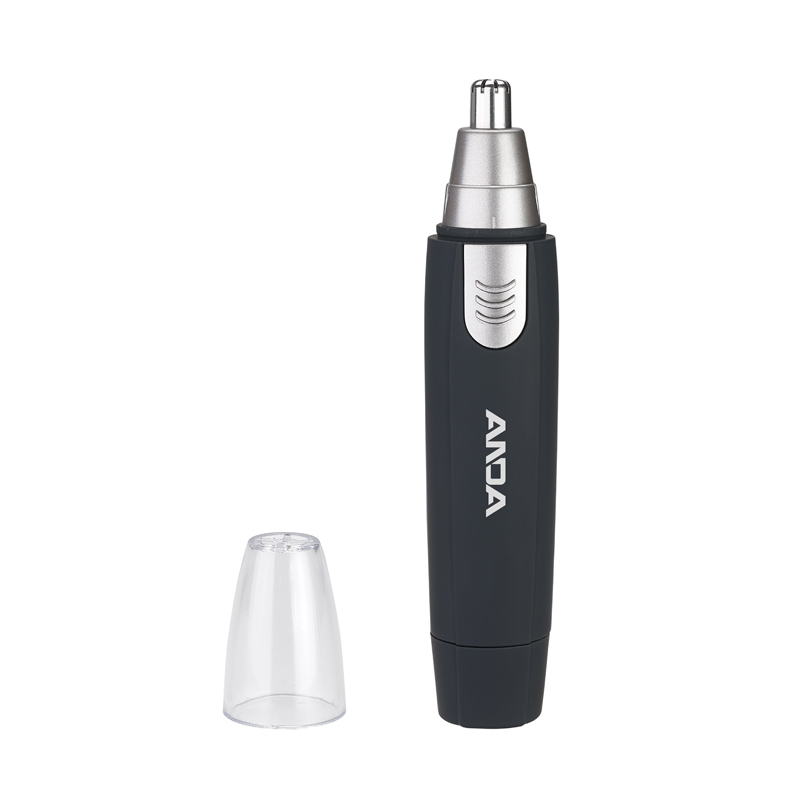
Deep insertion is unnecessary for ordinary nose hair grooming. A trimmer should work around the accessible area near the nostril opening, where unwanted hair can be reached without pushing the device farther inside.
Trying to reach every hair can encourage deeper insertion and repeated contact with sensitive tissue. Such an approach offers little practical benefit while increasing the chance of irritation.
Nasal hair serves a useful filtering function, so trimming does not need to mean complete removal. A neat appearance can usually be achieved by focusing on hair that extends beyond the nostril or is clearly visible around the entrance.
Manufacturer instructions should always take priority regarding the intended insertion position of a particular device. Different designs may have different protective structures or operating methods.
A useful rule for everyday grooming is simple: trim what is accessible, avoid forcing the device inward, and stop when discomfort appears.
Body position has a direct effect on hand stability. Sitting in a stable chair or standing with both feet comfortably positioned can reduce unnecessary movement during grooming.
A mirror should be placed where the nostril area can be seen without repeatedly bending or turning the head. Good lighting helps reveal small hairs around the entrance, reducing the need to move the device around simply to locate them.
Travel situations deserve additional care. A compact trimmer may be convenient in a hotel room, bathroom, or other unfamiliar setting, although grooming should not take place while walking, riding in a vehicle, or standing somewhere unstable.
A quiet and steady environment makes the task easier to control.
Visibility can sometimes be improved by gently lifting the nose or changing the angle of the head. Movement should remain mild, since pulling the skin too firmly can create discomfort and make the area feel more sensitive.
Rather than aiming directly toward deeper parts of the nasal passage, the cutting head can be kept around the entrance and guided along accessible areas.
Working on one side at a time can also make the process easier to manage. After completing one side, the device can be removed and the result checked in the mirror before moving to the other side.
A few simple habits can improve control:
Slow, controlled movement is easier to manage than fast strokes. A trimming head only needs light contact with accessible hair, so pressing firmly against the nostril wall is unnecessary.
Short movements can help maintain awareness of the cutting position. Repeated passes over the same area may cause irritation, especially when little hair remains to be trimmed.
Pain, stinging, or unusual sensitivity should be treated as a reason to stop. Continuing with greater pressure does not solve the underlying problem.
| Handling Habit | More Suitable Approach | Reason |
|---|---|---|
| Grip | Relaxed and Secure | Easier Hand Control |
| Movement | Slow and Small | Helps Maintain Position |
| Pressure | Light | Reduces Unnecessary Contact |
| Insertion | Near the Nostril Entrance | Avoids Deep Placement |
| Visibility | Mirror and Good Lighting | Supports Better Positioning |
| Repeated Passes | Limited | Helps Reduce Irritation |
Safe grooming depends less on force and more on control. A device that remains easy to guide can be repositioned whenever the angle feels wrong, while unnecessary pressure can make the opposite happen.
Several problems come from trying to finish the task too quickly. Pushing the cutting head farther inside may seem like a way to reach more hair, although deeper insertion is not needed for ordinary trimming.
Holding the body too close to the cutting area can also reduce control. Fingers need enough room to hold the device naturally without interfering with its moving parts.
Poor lighting creates another avoidable problem. When hair is difficult to see, repeated repositioning may help to unnecessary contact with the skin.
Other habits worth avoiding include:
A slower approach usually makes it easier to notice changes in comfort and position during use.
A compact grooming device can be useful during travel, although unfamiliar surroundings may change how comfortably it can be handled. Hotel bathrooms, shared spaces, and temporary accommodation may have different lighting and mirror positions, so a suitable place should be chosen before trimming begins.
A stable surface and clear view of the face can make hand movement easier to control. Grooming while walking, sitting in a moving vehicle, or standing in a cramped space creates unnecessary movement around a sensitive area.
Before packing a Portable Nose Trimmer, checking its condition can also prevent problems during use. A loose cutting head, damaged cover, or accumulated hair should be dealt with before the device is placed in a travel bag.
Simple storage habits can help keep the device ready for use:
Portability is mainly about convenience. Safe handling still depends on a steady position, clear visibility, and gentle movement.
Skin around the nostril opening can become sensitive for many everyday reasons. Dry air, frequent nose wiping, minor cuts, or temporary irritation may make grooming uncomfortable.
A sensitive area should not be treated as a place where greater pressure is needed. Waiting until discomfort has settled is a sensible choice, particularly when the skin is already sore or damaged.
During normal use, a slight change in sensation can provide useful feedback. Pain, burning, fresh bleeding, or strong irritation means trimming should stop rather than continue with a different angle or greater pressure.
Care also matters after grooming. Rubbing the area repeatedly or using unnecessary products around freshly trimmed skin can add irritation.
A simple check before use can include:
Such checks take little time and can prevent an ordinary grooming task from becoming uncomfortable.
Cleaning is an important part of maintaining any grooming device that comes close to the nose. Loose hair can remain around the cutting head after use, while moisture or residue may collect in areas that are difficult to see.
Cleaning should follow the instructions supplied with the particular device because washing methods can differ between designs. Parts intended for water exposure should not be assumed to be suitable for soaking, while dry‑cleaning methods may be required for other components.
After cleaning, allowing suitable parts to dry before storage can help prevent moisture from remaining around the device.
Useful maintenance habits include:
A clean cutting head can also make inspection easier. Hair buildup may hide damage or changes in the cutting area, so regular cleaning provides an opportunity to notice problems before the next use.
Knowing when to stop is just as important as knowing how to hold a Portable Nose Trimmer. Nose hair does not need to be removed completely, and repeated passes can provide little additional benefit once visible excess hair has been trimmed.
A grooming session can end when the unwanted hair around the nostril entrance has been reduced to the desired level. There is no practical reason to keep working deeper into the nasal passage simply because a few hairs remain out of sight.
Discomfort provides another clear signal. Pain, bleeding, strong irritation, or an unusual sensation should help to an immediate pause.
A device that suddenly sounds, vibrates, or operates differently from normal should also be removed from the nostril and checked. Continuing to use a device that appears damaged may create avoidable problems.
Persistent bleeding or significant irritation deserves appropriate medical attention rather than further grooming.
Product design has a close relationship with user control. A compact body needs to remain easy to hold, while the trimming head needs suitable protection around a sensitive area.
Grip shape can influence how naturally the fingers sit around the body. A surface that is difficult to hold may encourage excessive squeezing, while a comfortable shape can make small movements easier.
A clear separation between the handle and trimming area can also help keep fingers away from moving parts. Protective structures around the cutting area may limit direct contact between moving components and surrounding skin.
For portable grooming equipment, useful design considerations include:
No design can replace careful handling. Product construction and user technique need to work together, particularly around sensitive areas.
Manufacturers can approach safety through both physical design and clear instructions. A device intended for nose grooming should make the correct holding position reasonably easy to understand.
Insertion guidance deserves particular attention. Instructions should make clear which part of the nostril is intended for trimming and discourage unnecessary deep placement.
Grip design can also be evaluated through ordinary handling. A body that remains stable between the fingers may reduce sudden movement during small adjustments.
Cleaning guidance should match the actual construction of the device. Confusing instructions can help to unsuitable washing or storage, especially during travel.
Design reviews can therefore consider several areas:
Clear information is especially useful for compact grooming products because portability often means the device is used in different environments. Simple instructions can help maintain consistent handling from one location to another.
Gentle handling remains a practical approach for regular nose grooming. A Portable Nose Trimmer can be positioned near the nostril opening, guided slowly, and removed once accessible excess hair has been trimmed.
There is little value in treating nose grooming like a task that requires deep reach or repeated pressure. Natural nasal hair has a useful filtering function, so trimming should generally focus on visible or unwanted growth near the entrance.
A calm routine can be easier to maintain:
Good handling comes from combining several small habits rather than relying on force. A stable grip, clear visibility, limited insertion, and attention to discomfort can make routine grooming more controlled and comfortable.
Recommended Products

No.377. Fourth Avenue, Binhai Park, Economic-Technological Development Zone, Wenzhou, Zhejiang, China.

+86-577-88912812

+86-577-88912822

anda1@andaelectric.com
anda6@andaelectric.com
anda7@andaelectric.com
Copyright © Zhejiang Anda Electric Co., Ltd. Rights Reserved.
Electric Hair Clipper Manufacturer



 English
 Español
 русский