Industry News
 2026.08.25
 Industry News
Electric hair clippers have gradually moved beyond professional haircut settings and become part of everyday grooming. A compact grooming tool can be useful at home, during travel, in a barbershop, or while caring for a child, although each setting creates a different set of practical requirements.
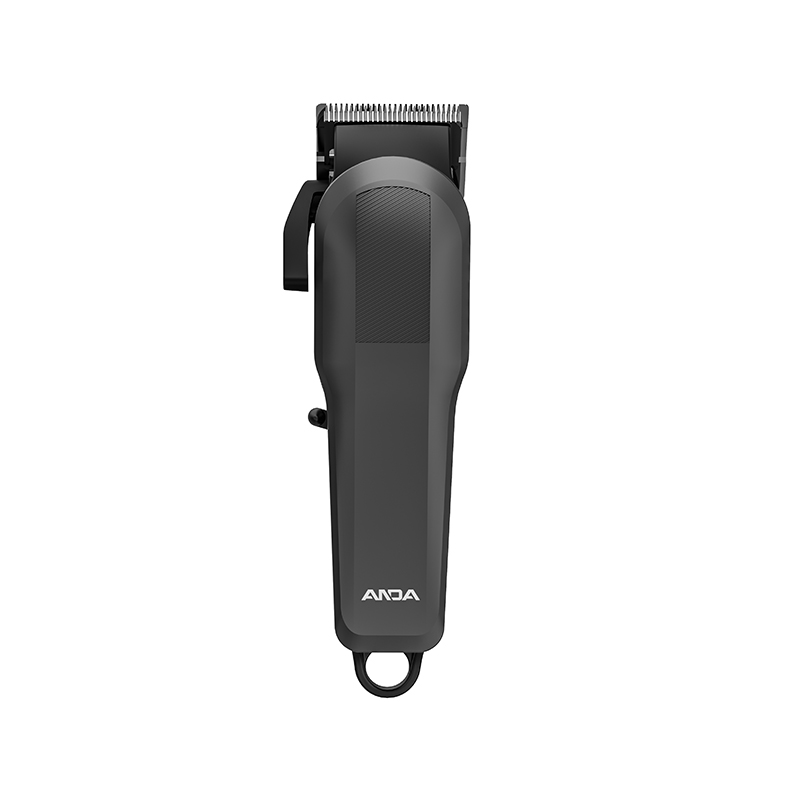
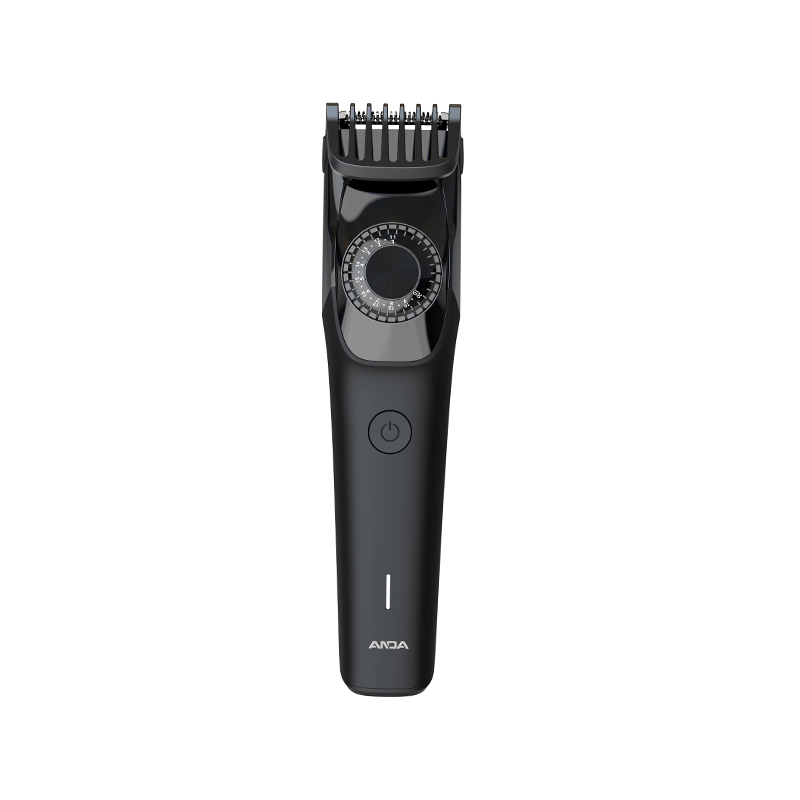
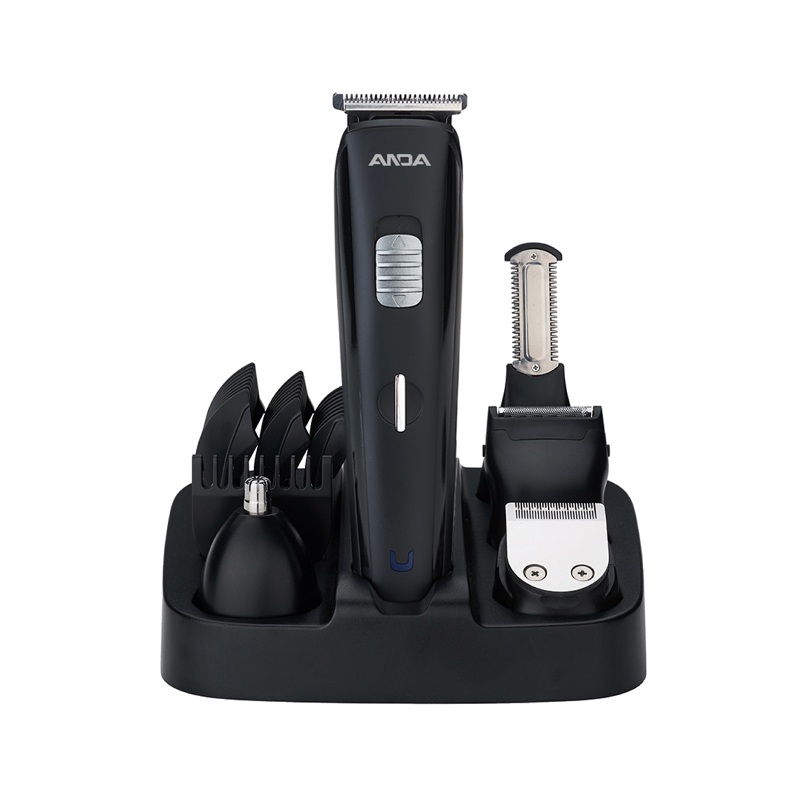
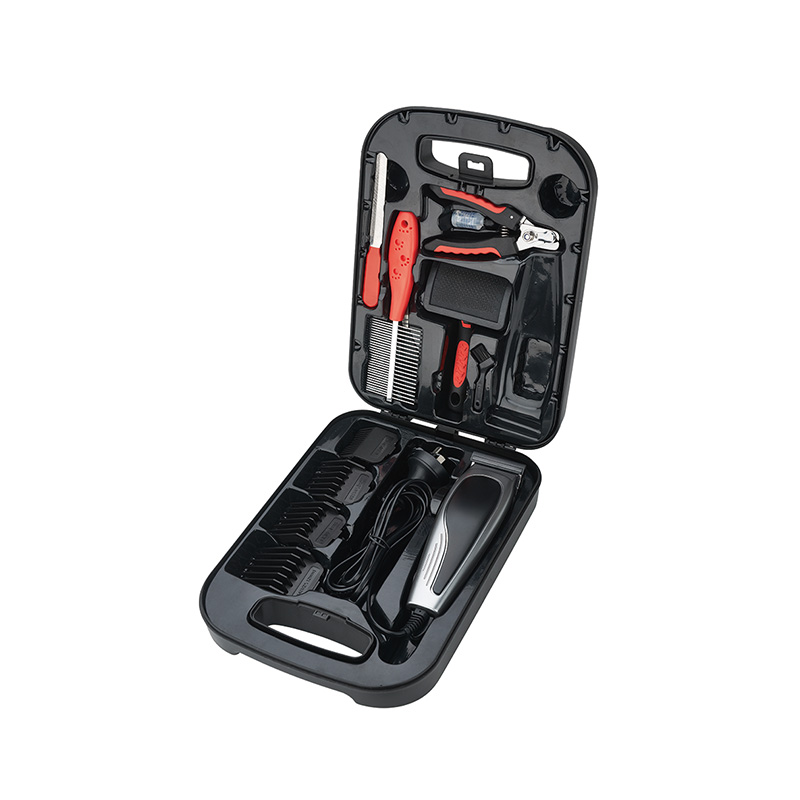
An Electric Hair Clippers Set usually combines a cutting unit with several attachments or accessories, allowing users to adjust the cutting length and handle different grooming tasks. Actual usefulness depends less on the number of accessories and more on whether the available tools match the situation.
Home use often centers on convenience and simple maintenance. Travel creates greater concern around storage and portability. Barbershops need a workflow that supports repeated use and regular cleaning, while children's grooming requires more attention to handling, comfort, and supervision.
Rather than treating one usage pattern as universal, it helps to look at how surroundings, frequency, users, and grooming habits change the way equipment is handled.
Personal grooming habits have become more varied. Some people prefer occasional trimming at home, while others use electric tools for small touch‑ups between haircuts. Family members may share a grooming space, creating a need for simple storage and clear separation of accessories.
A home user may only need a few basic attachments, whereas someone working in a barbershop may handle several hair lengths and different customers during a working period. Travel creates another situation, where space and protection become more important than having a large collection of accessories.
Daily use can involve:
Such tasks do not require the same setup every time. A useful grooming arrangement should fit the actual task, available space, and user's experience.
For manufacturers, changing usage habits also influence product development. A Hair Clippers Factory may need to consider how equipment will be stored, handled, cleaned, transported, and used by people with different levels of experience rather than focusing only on cutting performance.
Home grooming usually takes place in a bathroom, bedroom, or another area with limited working space. Unlike a commercial salon, household users may not have a dedicated work surface or storage cabinet for grooming equipment, so compact organization becomes part of everyday use.
Simple trimming tasks can often be handled with a suitable attachment. Someone maintaining short hair may need a different setting from another family member who only wants to tidy the neckline or sideburns.
Ease of handling matters as well. A person using a clipper at home may not have professional training, so clear controls and stable handling can make routine grooming easier to manage.
Shared household use creates another consideration: hygiene. Hair left around attachments, cutting areas, or storage cases can become inconvenient and may affect the condition of equipment over time.
A practical home routine can include:
Storage deserves attention because small attachments can easily become separated from the main unit. Keeping components in one designated place reduces unnecessary searching before the next use.
Moisture should also be considered. Not every electrical grooming device is designed for direct contact with water, so cleaning methods should follow the instructions supplied with the equipment.
Home use therefore tends to favor straightforward operation, organized storage, and manageable cleaning rather than a complicated setup.
Travel changes the practical priorities of personal grooming equipment. A person leaving home for several days may not want to carry a large collection of loose accessories, especially when luggage space is limited.
A portable grooming arrangement needs to survive movement between locations without allowing cutting components or attachments to become damaged. Protective storage can help keep small parts together while reducing contact with other objects inside a bag.
Power access can create another concern. Travelers may move between places with different charging arrangements, so checking compatibility before departure can prevent unnecessary inconvenience.
Cleaning also becomes different during travel. A person may not have the same sink space, storage area, or cleaning supplies available at home. Removing loose hair after use and keeping the equipment dry when required can help maintain a suitable condition during transport.
Travel use often places attention on four areas:
A large accessory collection may not always be useful on a trip. Selecting attachments according to the planned grooming task can reduce unnecessary items and make packing simpler.
Temperature and moisture can vary during travel as well. Equipment should be stored according to its operating and storage instructions rather than left in unsuitable places for long periods.
Travel grooming is therefore less about having many functions and more about matching the equipment to a limited space and a changing environment.
Professional grooming environments operate under a different rhythm from household use. Equipment may be handled repeatedly throughout a working period, while several customers can require different cutting lengths, styles, and trimming techniques.
A barbershop needs a clear workflow. Accessories should be easy to identify, cutting components need regular cleaning, and equipment should remain ready for the next task. Poor organization can interrupt work and make routine maintenance harder.
Repeated handling also places greater attention on physical condition. Cords, charging parts, cutting surfaces, switches, and attachments can all require regular inspection depending on how equipment is used.
Cleaning becomes part of the working process rather than an occasional household task. Loose hair should be removed from suitable areas after use, while cleaning procedures should follow the equipment's instructions.
| Usage Task | Practical Consideration |
|---|---|
| Short hair trimming | Suitable length attachment |
| Neckline cleanup | Controlled handling |
| Sideburn shaping | Clear visibility |
| Different customer needs | Organized accessory selection |
| Repeated daily use | Regular cleaning and inspection |
A commercial setting also needs sensible storage. Attachments scattered across a work area can slow down the workflow, while a clearly arranged storage system makes it easier to locate the required component.
Noise and handling comfort can influence the working environment as well, especially when equipment is used repeatedly. A device that feels manageable during occasional home use may create different demands during longer working periods.
Professional use therefore shifts attention from personal convenience toward workflow, maintenance, organization, and consistent handling.
Children's haircuts require a different approach because a young child may react strongly to unfamiliar sounds, movement, or contact around the head and ears. A grooming session that feels routine for an adult can feel uncomfortable or confusing for a child.
Preparation can make the process easier. A calm room, suitable seating, familiar surroundings, and a parent or caregiver nearby can help a child remain settled.
Equipment should be checked before contact with the child's hair. Cutting components and attachments need to be clean, properly fitted, and free from visible damage. Sudden movement should be avoided because a child may turn the head unexpectedly.
Adult supervision remains important throughout the process. A child should not operate an electrical grooming device alone or treat it as a toy.
Several practical habits can support a calmer session:
Attachment selection matters as well. A suitable guard can help maintain a consistent cutting distance from the skin, while careful handling remains necessary around sensitive areas.
Children's grooming is therefore not simply a smaller version of adult grooming. Age, movement, comfort, supervision, and the surrounding environment all influence how equipment should be used.
Cleaning and storage habits often change according to where grooming equipment is used. A family may use a clipper occasionally, while a barbershop may handle the same type of tool throughout a working day. Travel creates another situation because cleaning space and storage conditions can be less predictable.
Loose hair can remain around cutting components after trimming. Removing residue after use helps keep moving parts and attachments in a usable condition. Cleaning should follow the care instructions provided with the equipment, since electrical units and cutting components may have different requirements.
Moisture deserves particular attention. A device should not be exposed to water simply because hair is often trimmed near a bathroom sink. Suitable storage in a dry area can reduce unnecessary exposure to moisture.
Regular visual checks can also reveal small problems before the next grooming session. Useful areas to inspect include:
Travel can add dust, pressure, and movement during transport, making protective storage useful. Home users may have less concern about movement, while commercial users need a routine that fits into repeated work.
Children's grooming requires another layer of care because accessories may be handled by adults and children at different times. Keeping small parts away from play areas helps prevent accidental misuse.
Maintenance is therefore closely connected with surroundings. A sensible routine does not need to be complicated. Cleaning after use, checking visible parts, keeping equipment dry where required, and storing attachments in an organized place can make everyday handling easier.
Changes in daily grooming habits can influence how manufacturers approach product design. A tool intended for occasional household use may be arranged around simple operation and convenient storage, while equipment intended for repeated professional work needs to fit into a more structured workflow.
A Hair Clippers Factory may consider several use environments during development. Home users often value straightforward controls and easy accessory management. Travelers may place greater attention on compact storage and protection during transport. Professional users may require convenient cleaning and attachment organization.
Children's grooming introduces another group of considerations. Handling, sound, vibration, attachment design, and visibility around sensitive areas can influence how equipment is developed for family use.
Production planning can therefore involve questions such as:
Such questions can help connect product design with practical use rather than treating every user as having the same needs.
Accessory configuration is another area where daily habits matter. A larger collection does not automatically make a grooming set more useful. Relevant attachments, clear organization, and sensible storage can be more practical for a particular user.
Manufacturing processes also need to account for repeated handling. Components that are frequently touched, removed, cleaned, or stored need suitable construction and assembly methods. Quality checks can focus on fitting, movement, electrical function, and the condition of removable parts.
From an industry perspective, everyday grooming has therefore become more varied. Production decisions increasingly need to consider where equipment will be used and how people actually interact with it.
A useful grooming device needs to match the task rather than simply offer a long list of functions. Different users may have very different priorities, even when they perform similar trimming work.
Control is one practical consideration. Someone trimming their own hair needs to see and guide the equipment from an unusual angle, while another person cutting a family member's hair can observe the cutting area more directly.
Attachment selection also affects daily use. Several cutting lengths may be useful for households with different grooming habits, although accessories need to remain easy to identify and store.
Cleaning convenience matters over time. Hair can collect around cutting areas, so access for routine cleaning can influence how easily a user maintains the equipment.
Power arrangements can matter during travel or in locations where access to a charging point is limited. Home users may have fewer concerns because equipment can remain in a familiar storage area.
| Feature | Daily Use Concern |
|---|---|
| Controls | Easy handling during trimming |
| Attachments | Suitable cutting length |
| Storage | Keeping small parts organized |
| Cleaning | Removing hair after use |
| Power | Matching the intended environment |
| Handling | Stable movement around the head |
Noise can also affect user experience, especially during children's haircuts. A child who is unfamiliar with an electric grooming tool may react to the sound before the cutting process even begins.
Comfort during handling becomes relevant during longer sessions. A person using equipment for a quick home touch‑up has a different experience from someone working through several appointments.
Practical value therefore comes from how well individual features fit a real task. More functions do not necessarily make daily grooming easier when unnecessary accessories create extra cleaning or storage work.
Choosing grooming equipment becomes easier when the intended setting is considered before the accessory list. A family using a device at home may have different needs from a traveler carrying equipment in a small bag, while professional users need a setup that fits an established working routine.
| Usage Scenario | Main Concern | Practical Focus |
|---|---|---|
| Home | Daily convenience | Operation and storage |
| Travel | Portability | Packing and protection |
| Barbershop | Frequent use | Cleaning and maintenance |
| Children | Care and comfort | Supervision and stable handling |
Home use usually involves familiar surroundings. Equipment can remain in one place, accessories can be stored together, and cleaning can follow a regular household routine.
Travel requires greater attention to space. Carrying only the attachments needed for the planned grooming tasks can reduce clutter inside luggage and make the equipment easier to locate.
A barbershop has a different working pattern. Tools may need to move between several tasks during one working period, making attachment organization and cleaning routines important parts of daily management.
Children's hair care calls for careful handling and adult supervision. A quiet environment, suitable attachment, controlled movement, and a comfortable position can make the experience easier for a young user.
No single arrangement needs to suit every situation. Matching the equipment with the setting can reduce unnecessary complexity and make grooming routines more manageable.
Good grooming habits often come from small actions repeated consistently rather than complicated procedures. Checking equipment before use can help identify visible damage, loose attachments, or other conditions that may affect handling.
Cleaning after trimming prevents loose hair from building up around areas designed to move or cut. Storage also deserves attention because misplaced attachments can make the next session less convenient.
For home use, keeping all components in one dry and accessible location can simplify routine grooming. During travel, a protective case or organized pouch can reduce movement between accessories and other luggage.
Professional users may benefit from a fixed cleaning and storage routine between appointments. Clear separation of used and ready‑to‑use components can make the work area easier to manage.
Children require additional supervision. An adult should control operation, keep small accessories out of reach when they are not needed, and stop the session when discomfort appears.
A simple daily check can include:
Unusual noise, unexpected heating, damaged parts, or changes in normal operation should not be ignored. Continued use under questionable conditions may create unnecessary risk, so inspection or professional servicing may be appropriate.
From a household perspective, grooming equipment becomes easier to manage when cleaning, storage, and inspection become part of the normal routine. For travelers, preparation before leaving home can prevent avoidable problems. Professional users need routines that fit repeated work, while children's grooming depends heavily on calm handling and adult supervision.
Daily grooming has many forms, and usage conditions shape how electrical hair‑cutting equipment is selected and handled. An Electric Hair Clippers Set can serve different settings when its configuration matches the actual task, storage space, user experience, and maintenance routine.
For a Hair Clippers Factory, attention to these varied applications can also provide useful direction for product development. Household grooming, travel use, professional work, and children's care each bring different practical questions, giving manufacturers a broader view of how people interact with grooming equipment in everyday life.
Recommended Products

No.377. Fourth Avenue, Binhai Park, Economic-Technological Development Zone, Wenzhou, Zhejiang, China.

+86-577-88912812

+86-577-88912822

anda1@andaelectric.com
anda6@andaelectric.com
anda7@andaelectric.com
Copyright © Zhejiang Anda Electric Co., Ltd. Rights Reserved.
Electric Hair Clipper Manufacturer



 English
 Español
 русский