Industry News
 2026.09.22
 Industry News
Body hair removal involves more than choosing a shaving device. Different parts of the body have different skin shapes, hair growth patterns, and levels of sensitivity. A method that feels comfortable on the legs may require more careful handling around the underarms or bikini line.
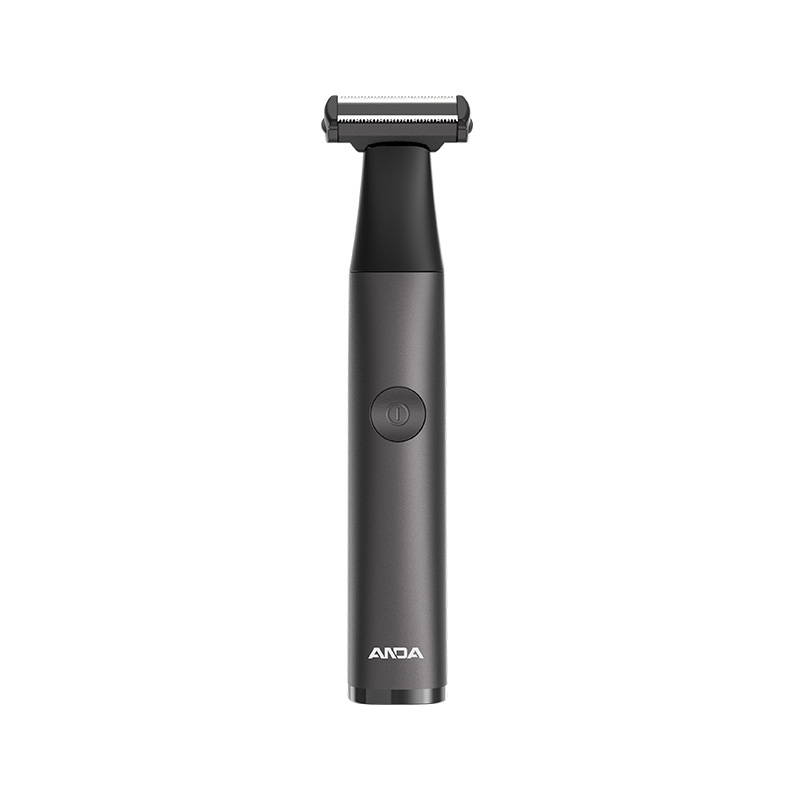
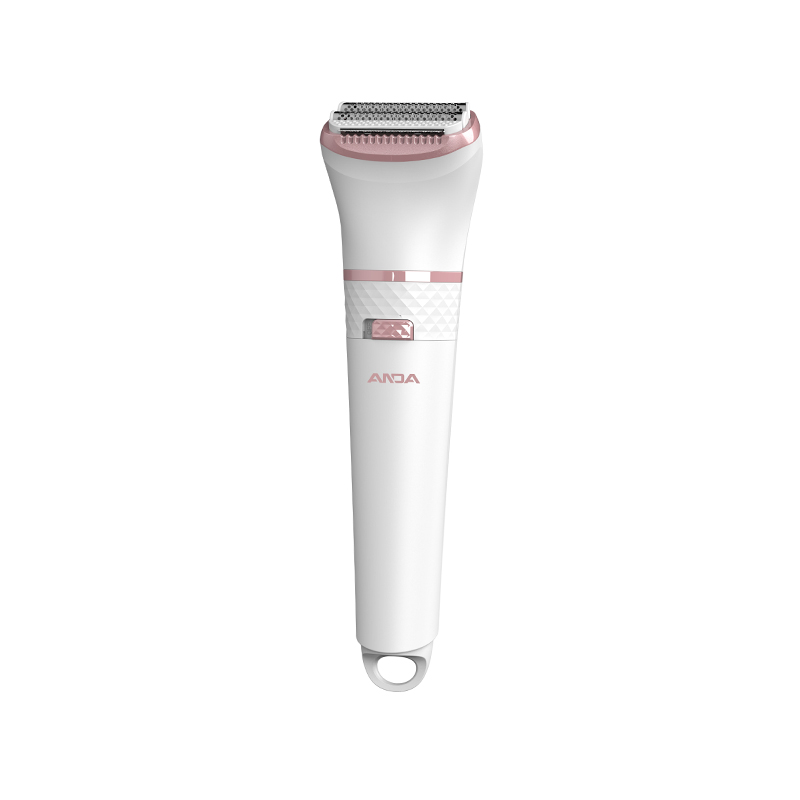
A USB Lady Shaver can be used on several external body areas when its design and instructions are suitable for the intended use. Safe handling depends on keeping the shaving surface in controlled contact with the skin, using gentle movement, and paying attention to the condition of the area before and after shaving.
Knowing where the device is appropriate also helps reduce unnecessary contact with delicate or damaged skin.
The legs and arms are commonly associated with body hair removal because their skin surfaces are relatively accessible. The underarms can also be handled with a suitable device, although their curved shape requires more attention.
The outer bikini area may be another possible application when the device is designed for body use. Care is needed around folds and delicate skin because these areas can move during shaving.
Several factors can affect whether a body area is appropriate:
Body hair can also vary in direction and thickness from one area to another. A smooth, open surface generally allows easier movement, while a curved area may require several small changes in direction.
The physical condition of the skin matters as much as the location. Redness, cuts, swelling, or unusual irritation can make shaving uncomfortable and increase the chance of further skin disturbance.
Legs and arms usually provide broad areas where the device can move without needing to navigate many folds. Even so, the shape of the body changes around joints such as the knees and elbows.
A steady movement can help keep the shaving surface in contact with the skin. When approaching a joint, the arm or leg can be positioned so that the skin becomes easier to reach. There is little benefit in pressing harder when hair does not come away immediately. A slower pass can provide more control.
The direction of hair growth can also differ between areas. Rather than making repeated movements over the same patch, it is useful to observe how the hair lies and adjust the movement accordingly.
Around the knees and elbows, several practical points deserve attention:
Arms and legs may appear simple compared with more curved body areas, yet irritation can still occur when shaving is rushed or repeated too frequently. Skin condition should remain the main reference during the process.
Underarm shaving requires a different approach because the area contains natural folds and a curved surface. The skin can change position when the arm is raised or lowered, making consistent contact more difficult.
A suitable body shaver can be used around the external underarm area when the manufacturer's intended use includes it. Raising the arm gently can make the surface easier to access. Keeping the skin in a comfortable position also reduces sudden changes in contact.
Slow movement is particularly useful around folds. A device moving too quickly can pass over uneven areas without maintaining consistent contact. Pressing harder does not necessarily solve that problem and may increase friction.
Underarm hair may also grow in several directions. One continuous stroke may not follow the natural pattern across the entire area. Small, controlled movements can make it easier to work around changes in hair direction.
After shaving, the skin can feel warmer or more sensitive, especially when repeated passes have been made. Clothing that rubs against the area may add further discomfort. A simple post‑shaving check can help identify whether the skin appears calm or needs a break from further grooming.
Not every part of the body responds to shaving in the same way. Some areas have skin that is more easily irritated, while others experience frequent friction from clothing or normal movement.
Sensitive skin does not automatically mean that hair removal is unsuitable. It does mean that the condition of the skin should be considered before using a shaving device. A calm, intact surface presents a different situation from skin that is already red, dry, scratched, or uncomfortable.
Several signs suggest that shaving should be postponed:
Pressure is another important consideration. A shaver is intended to move across the surface rather than be forced into it. Excessive pressure can increase friction, particularly when the same area is treated repeatedly.
Delicate areas also require attention to the device's intended application. A body shaver designed for external skin should not automatically be considered appropriate for every body surface. Product instructions remain relevant when deciding where contact is permitted.
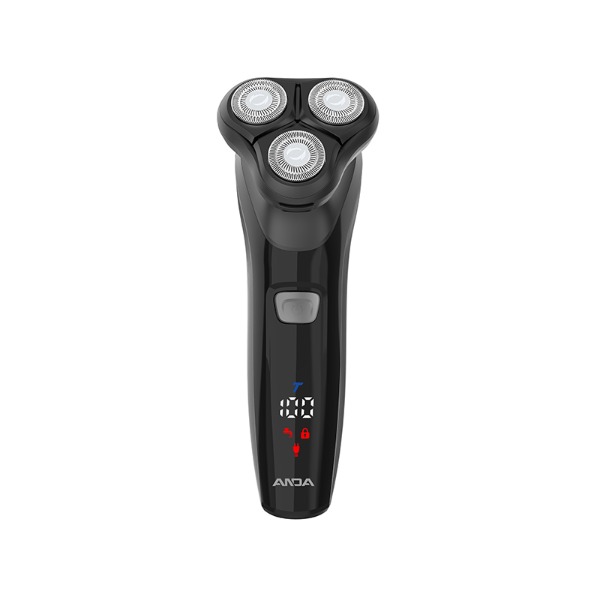
The bikini line presents a combination of curved skin, folds, and varying hair direction. The external skin around this area may be suitable for a body shaver when the device is intended for that purpose.
The distinction between the outer bikini area and internal genital areas is important. A device intended for external body hair should not be used on mucous membranes or internal genital surfaces unless its instructions specifically state otherwise.
Careful positioning can make external shaving easier. Gentle tension on the skin may help create a more stable surface, while short movements can reduce sudden contact with folds.
A few practical considerations can help maintain control:
Hair direction may change within a small area, so a single movement pattern may not work evenly across the entire bikini line. Controlled adjustments are preferable to repeated rubbing over the same spot.
The surrounding skin should also be considered after shaving. Friction from tight clothing or vigorous rubbing can make freshly shaved skin feel irritated. Gentle handling during the period immediately after hair removal can reduce unnecessary mechanical stress.
A body shaver is not suitable for every part of the body. Areas with broken skin, active irritation, swelling, or unusual surface changes need different care from healthy skin.
Cuts and scratches should be left alone until the skin has recovered. Running a shaving head across damaged areas can create additional friction and make the affected spot uncomfortable. The same concern applies to areas that feel sore after another hair removal method.
Raised bumps also deserve attention. A small bump caused by an ordinary skin condition may look different from an area that has become irritated through rubbing or shaving. When the cause of a skin change is unclear, avoiding contact is a sensible approach.
Certain locations can also be difficult to shave safely because the skin surface changes rapidly during movement. Deep folds, areas that cannot be clearly seen, and internal body surfaces should not be treated unless the device instructions specifically allow such use.
The intended application of the device provides an important boundary. A body shaver designed for external skin should remain within that area rather than being adapted for unrelated uses.
Skin condition can change from day to day. Dryness, redness, sensitivity, and recent friction may affect how comfortable shaving feels, even when the same body area is normally suitable.
Dry skin can feel rough during contact, while irritated skin may become uncomfortable after repeated movement. Hair removal does not need to continue simply because an area is normally included in a grooming routine.
A quick skin check before use can help identify conditions that call for a pause:
Hair condition also influences the shaving process. Longer hair may require more controlled movement, while short hair can sometimes be removed with less contact. Pressing harder is not a reliable solution when hair remains after one pass.
Repeated movement deserves particular attention. Friction increases when the shaving head repeatedly travels across the same patch of skin. A missed hair can be left for another pass rather than repeatedly treating the surrounding area.
After shaving, temporary sensitivity may occur. Loose, comfortable clothing can reduce rubbing around areas that have just been shaved. Fragrance‑heavy or irritating products may also feel uncomfortable on freshly treated skin.
A shaving device comes into direct contact with skin and hair, so cleaning forms part of routine hygiene. Hair fragments, skin residue, and moisture can remain around the shaving head after use.
The cleaning method depends on the device design. Some models allow the shaving head to be rinsed, while others require a dry cleaning method. Manufacturer instructions should determine whether water is appropriate.
Basic maintenance usually involves several simple steps:
Moisture deserves attention when the device is not designed for wet use. Water should not enter areas that are not intended to come into contact with it.
Personal hygiene also matters when a device is used by more than one person. Sharing a shaving head can increase concerns about cleanliness, especially when the device touches areas with minor cuts or skin irritation. A personal grooming device is generally easier to manage when cleaning and storage remain consistent.
Shaving technique can influence how the skin feels afterward. Gentle contact and controlled movement place less mechanical stress on the surface than pressing firmly or moving repeatedly over one spot.
A practical routine can remain simple:
The direction of movement may need to change across different body areas. Legs and arms allow longer strokes, while the underarms and bikini line often require shorter movements because of curves and folds.
Hair removal also does not need to be treated as a race. Slower movement can make it easier to notice changes in skin contact and avoid unnecessary rubbing.
Post‑shaving care can remain uncomplicated. Clean skin, gentle drying, and reduced friction are generally easier on freshly shaved areas than vigorous rubbing. When irritation continues or becomes unusual, further shaving should be avoided until the skin condition is clear.
Each body area presents a slightly different combination of skin shape, hair direction, and friction. A single movement pattern may not suit every location.
| Body Area | Main Consideration | Suitable Handling |
|---|---|---|
| Legs | Broad and relatively even surface | Gentle, steady movement |
| Arms | Curved around joints | Shorter movement near elbows |
| Underarms | Folds and changing hair direction | Slow movement with controlled contact |
| Outer Bikini Line | Curved and delicate skin | Careful positioning and light pressure |
| Irritated Skin | Increased sensitivity | Avoid shaving until the skin recovers |
Legs can generally accommodate longer movements because the surface is easier to access. Around the knees, shorter passes can provide better control.
Arms require additional care near the elbows and other curved areas. Changing the position of the arm can make the skin easier to reach without applying extra pressure.
The underarms require attention to folds and hair direction. Raising the arm can create a clearer working surface, while slow movements help maintain consistent contact.
The outer bikini line requires greater care because the skin is more curved and can move during shaving. External skin should remain the focus, with internal or mucosal areas excluded unless the device instructions specifically permit such use.
Irritated skin belongs in a different category. Location alone does not determine whether shaving is appropriate. The current condition of the skin remains an important factor.
A USB Lady Shaver can be part of a body‑hair grooming routine when the selected area matches the intended use of the device and the skin is in suitable condition. Careful positioning, light contact, clean equipment, and attention to changing skin conditions help keep the process controlled across different parts of the body.
Recommended Products

No.377. Fourth Avenue, Binhai Park, Economic-Technological Development Zone, Wenzhou, Zhejiang, China.

+86-577-88912812

+86-577-88912822

anda1@andaelectric.com
anda6@andaelectric.com
anda7@andaelectric.com
Copyright © Zhejiang Anda Electric Co., Ltd. Rights Reserved.
Electric Hair Clipper Manufacturer



 English
 Español
 русский